
Enter your details below

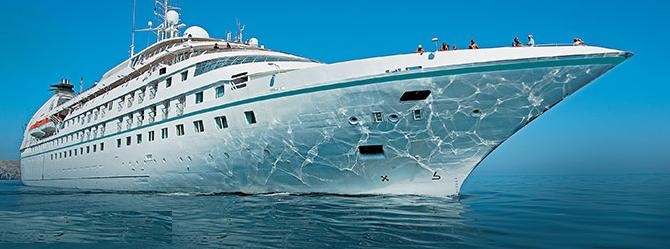
Departing on 19 Oct 2026 from Istanbul aboard the Star Legend - Cruise No: 2248432

stanbul is a major city in Turkey that straddles Europe and Asia across the Bosphorus Strait. Its Old City reflects cultural influences of the many empires that once ruled here. In the Sultanahmet district, the open-air, Roman-era Hippodrome was for centuries the site of chariot races, and Egyptian obelisks also remain. The iconic Byzantine Hagia Sophia features a soaring 6th-century dome and rare Christian mosaics
Myrina is a former municipality on the island of Lemnos, North Aegean, Greece. Since the 2011 local government reform it is part of the municipality Lemnos, of which it is a municipal unit. It covers the west coast of the island, and has a land area of 82.049 square kilometres, about 17.2% of the island’s area.
Weather permitting… today we visit Mykonos, the classic Greek isle, with hundreds of white-washed churches and cubist houses; round, thatched windmills catching the brisk breeze; and a harbor bobbing with fishing boats and luxury yachts. Sit in the shadow of a café and watch as native fishermen and jet set Europeans pass by. Or explore the Parportiani church, a Byzantine architectural masterpiece.
Not far from the pier you’ll come across Meryemana, the House of the Virgin Mary, said to be where St. John took the mother of Jesus after the crucifixion. From there you’ll enjoy a panoramic view of Ephesus below. Take time in Kusadasi for a little shopping and a cup of Turkish coffee.
White-washed and flower-bedecked Bodrum is one of the most charming cities and sophisticated resorts on the Aegean coast. Beautiful, Turkish-made wooden boats called gulets line the waterfront and can be hired for the day. (In fact, Bodrum has been a center for boatbuilding since the days of Mark Antony and Cleopatra.) Local restaurants feature specialties of octopus and calamari; shops are filled with Turkish treasures such as leather and woven rugs.
Santorini is a spectacular sight, especially when approached by sea. Steep cliffs rise dramatically from deep azure waters. The capital of Fira is located 1,000 feet above our anchorage, accessible by donkey, cable car, or foot. The views from on top are unforgettable: stark white-washed buildings are scattered along the clifftop village; the sea stretches outward from black volcanic sands. Santorini has an explosive history of volcanic activity, and some say that here in the ruins at Akrotiri lie the remnants of the lost civilization of Atlantis.
Above the city, looking out towards the blue Aegean, stands the Acropolis. Here lie the ruins of a culture 2,500 years old: the Propylaea; the Temple of Athena Nike; the Erechtheum temple, and, most famous of all, the Parthenon.
Meanwhile, modern Athens buzzes busily below, a city of chic restaurants, lively bazaars, sophisticated banking, historical museums, and the sights and smells of the Plaka district.
Corfu, an island off Greece’s northwest coast in the Ionian Sea, is defined by rugged mountains and a resort-studded shoreline. Its cultural heritage reflects years spent under Venetian, French and British rule before it was united with Greece in 1864. Corfu Town, flanked by 2 imposing Venetian fortresses, features winding medieval lanes, a French-style arcade and the grand Palace of St. Michael and St. George.
Argostoli is a town and a former municipality on the island of Kefalonia, Ionian Islands, Greece. Since the 2011 local government reform it is part of the municipality Kefalonia, of which it is a municipal unit.
Trapani is a city in western Sicily with a crescent-shaped coastline. At the western tip, offering views as far as the Aegadian Islands, is the 17th-century Torre di Ligny watchtower. It houses the Museo di Preistoria e del Mare, with archeological artifacts. North of the harbor, the Chiesa del Purgatorio church holds wooden sculptures that are paraded around the city during Easter’s Processione dei Misteri.
Cagliari is the capital of the island of Sardinia, a region of Italy. Cagliari’s Sardinian name Casteddu literally means the castle. Cagliari offers the perfect mix of recreation and exploration options. The five-mile-long Poetto Beach is among the best city beaches on the Mediterranean, and together with the adjacent Marina Piccola, satisfies all manner of sun and sea pursuits. Seekers of culture will love Cagliari’s old district, Castello, where 13th-century towers still guard the medieval city walls.
Barcelona, the cosmopolitan capital of Spain’s Catalonia region, is known for its art and architecture. The fantastical Sagrada Família church and other modernist landmarks designed by Antoni Gaudí dot the city. Museu Picasso and Fundació Joan Miró feature modern art by their namesakes. City history museum MUHBA, includes several Roman archaeological sites
Malaga is the major coastal city of Andalucia and is a genuine and typical Andaluz city with a gritty individualism untouched by tourism and, to a large extent, the passage of time. The Moors occupied the city until the mid fifteenth century, after which it grew to become one of the foremost merchant centres in the entire Iberian Peninsula.
Tangier, a Moroccan port on the Strait of Gibraltar, has been a strategic gateway between Africa and Europe since Phoenician times. Its whitewashed hillside medina is home to the Dar el Makhzen, a palace of the sultans that’s now a museum of Moroccan artifacts. The American Legation Museum, also in the medina, documents early diplomatic relations between the U.S. and Morocco in an 1821 Moorish-style former consulate.
Casablanca is a port city and commercial hub in western Morocco, fronting the Atlantic Ocean. The city’s French colonial legacy is seen in its downtown Mauresque architecture, a blend of Moorish style and European art deco. Standing partly over the water, the enormous Hassan II Mosque, completed in 1993, has a 210m minaret topped with lasers directed toward Mecca
Funchal is the capital city of Portugal’s Madeira archipelago. It’s backed by hills, and known for its harbor, gardens and Madeira wine cellars. The centuries-old Funchal Cathedral, which mixes Gothic and Romanesque styles, is notable for its carved wooden ceiling. Fronting the harbor is the São Tiago Fortress, built in the 1600s. It now houses the Contemporary Art Museum, with a large collection of Portuguese works.
An infectiously happy island, with beautiful beaches, balmy weather, and a delightful British flair. As a result of its successful sugar economy in the 17th- to 19th-centuries, you’ll find large manor estates full of fine Barbados mahogany and antiques, along with gaily painted wooden frame houses– the essence of the festive Caribbean. Rum rules in Barbados, and, over the centuries, cane plantations have divided the Bajan landscape into a pretty patchwork of fields, coconut and royal palms, breadfruit, oleander, and citrus trees.
Castries is the capital of the island nation of St. Lucia, in the Caribbean Sea. It’s known for palm-lined Vigie Beach and as a port of call for cruise lines, with duty-free shopping near the harbor. The Cathedral Basilica of the Immaculate Conception, with its colorful murals, sits by leafy Derek Walcott Square park. Lively Castries Market is nearby. In the south, Morne Fortune hill offers views of the city
In the north of Mayreau is Salt Whistle Bay, a perfect half moon beach, separating the Atlantic from the Caribbean side with a sand spit only 50 yards wide, fringed by palm trees. The windward side of Mayreau is one huge deserted beach; you could spend days picnicking, sunbathing and snorkeling in the underwater world of Mayreau Garden. The southwestern, leeward beach is Saline Bay, nearly a mile of white sand with calm, clear water – ideal to bring your family!
St. George’s is the capital city of the Caribbean island of Grenada. In the town center, the 18th-century Fort George offers panoramic views of the island and St. George’s Bay. Nearby, Fort Matthew was formerly a battleground and, later, an asylum, and has underground tunnels. The Grenada National Museum hosts exhibits about the history of the region, including the plantation economy and the whaling industry.
Life in Bequia revolves around the sea. Walk through the pretty town of Port Elizabeth, set on one of the loveliest and best-sheltered harbors in the Caribbean, and you’ll see fish nets drying in the sun. Boats are built on the beach in the shade of palm trees, and many yachtsmen have come here to have a fine schooner built by hand. (Or take home a model ship, perfect in detail.) Once an active whaling station, Bequia today is a favorite among Caribbean insiders and yachties for its unspoiled beauty and easy pace.
An infectiously happy island, with beautiful beaches, balmy weather, and a delightful British flair. As a result of its successful sugar economy in the 17th- to 19th-centuries, you’ll find large manor estates full of fine Barbados mahogany and antiques, along with gaily painted wooden frame houses– the essence of the festive Caribbean. Rum rules in Barbados, and, over the centuries, cane plantations have divided the Bajan landscape into a pretty patchwork of fields, coconut and royal palms, breadfruit, oleander, and citrus trees.
Life in Bequia revolves around the sea. Walk through the pretty town of Port Elizabeth, set on one of the loveliest and best-sheltered harbors in the Caribbean, and you’ll see fish nets drying in the sun. Boats are built on the beach in the shade of palm trees, and many yachtsmen have come here to have a fine schooner built by hand. (Or take home a model ship, perfect in detail.) Once an active whaling station, Bequia today is a favorite among Caribbean insiders and yachties for its unspoiled beauty and easy pace.
In the north of Mayreau is Salt Whistle Bay, a perfect half moon beach, separating the Atlantic from the Caribbean side with a sand spit only 50 yards wide, fringed by palm trees. The windward side of Mayreau is one huge deserted beach; you could spend days picnicking, sunbathing and snorkeling in the underwater world of Mayreau Garden. The southwestern, leeward beach is Saline Bay, nearly a mile of white sand with calm, clear water – ideal to bring your family!
St. George’s is the capital city of the Caribbean island of Grenada. In the town center, the 18th-century Fort George offers panoramic views of the island and St. George’s Bay. Nearby, Fort Matthew was formerly a battleground and, later, an asylum, and has underground tunnels. The Grenada National Museum hosts exhibits about the history of the region, including the plantation economy and the whaling industry.
The people of the Netherlands established a trading settlement at a fine natural harbour on the Caribbean island of Curaçao in 1634. The town developed continuously over the following centuries. The modern town consists of several distinct historic districts whose architecture reflects not only European urban-planning concepts but also styles from the Netherlands and from the Spanish and Portuguese colonial towns with which Willemstad engaged in trade.
When it comes to the Caribbean, many islands are blessed with sugar-white beaches, tall palm trees, and friendly bartenders serving up umbrella-topped drinks. But Aruba is like no other island. Over the years, its Dutch West Indies mix of ethnicities has nurtured a deep and interesting cultural mélange—as well as fine cuisine, refined shopping, and vibrant stage shows. Add to that an outdoor world of internationally significant locations for fun-seeking folks of all ages. There is simply no better place on the planet to learn and enjoy windsurfing. The world-renowned steady breezes that fill the sails also keep us cool in a deep Caribbean location that is blissfully below the hurricane path. Sun always shines on our pristine beaches, and that brings a truly global group of travelers to our shores.
Cartagena is a port city on Colombia’s Caribbean coast. By the sea is the walled Old Town, founded in the 16th century, with squares, cobblestone streets and colorful colonial buildings. With a tropical climate, the city is also a popular beach destination. Reachable by boat are Isla de Barú, with white-sand beaches and palm trees, and the Islas del Rosario, known for their coral reefs.
Cartagena is a port city on Colombia’s Caribbean coast. By the sea is the walled Old Town, founded in the 16th century, with squares, cobblestone streets and colorful colonial buildings. With a tropical climate, the city is also a popular beach destination. Reachable by boat are Isla de Barú, with white-sand beaches and palm trees, and the Islas del Rosario, known for their coral reefs.
Bocas del Toro is a province of Panama comprising an island chain off the Caribbean coast, plus a section of nearby mainland with biodiverse rainforest. Isla Colón, the main island, is home to the capital, Bocas Town, a central hub with restaurants, shops and nightlife. Popular beaches include Boca del Drago. Also on Isla Colón is Starfish Beach, named for the numerous sea stars on its ocean floor
Renowned as the Eighth Wonder of the World, marvel as your ship is raised, then lowered, 85 feet to sail gracefully through three massive locks in the Canal.
Renowned as the Eighth Wonder of the World, marvel as your ship is raised, then lowered, 85 feet to sail gracefully through three massive locks in the Canal.
The port of Fuerte Amador is located right at the Pacific entrance of the Panama Canal in the Pacific Ocean.
The Paridas archipelago, an emerald scatter of over 50 uninhabited tropical islands in Panama’s Pacific coast, about 35 miles south of the border with Costa Rica. Many native Panamanians are not even aware of the islands’ existence and this is how the chain came to be known as the “Lost Islands of Barú”.
Puerto Jiménez is a district of the Golfito canton, in the Puntarenas province of Costa Rica. It is also the largest town on the Osa Peninsula, Puntarenas Province, Costa Rica. The town is located on the Golfo Dulce near the Corcovado National Park.
Shore Excursion Port Tips
The former banana-exporting town of Quepos is your basecamp for a day of rainforest adventure. Take a walk along trails that weave up to waterfalls, or ride horseback to a beautiful jungle pool. A float trip through a mangrove swamp populated by monkeys, crocodiles, egrets, and herons is also available. Or you may choose a nature walk through Manuel Antonio National Park, with its lovely beaches, easy trails, and animal life.
Curu Reserve: Spend a morning exploring the Curu National Wildlife Refuge—a private reserve of which two-thirds is preserved as primary forest. The reserve includes 4.5 kilometers of coastline, with tiny coves and three beautiful white-sand beaches. Although it is small, there is an abundance of wildlife to be seen in this reserve—including up to 200 species of birds! There is good swimming and snorkeling close to shore, where lobsters and conches are plentiful. Be on the lookout for capuchin and howler monkeys, as well as sloths and anteaters.
Playa Flamingo is one of Costa Rica’s most popular beaches with fine white sand. It has pristine clear blue waters, lagoons, vegetation and abundance of activities. The Playa Flamingo area offers a wide variety of secluded beaches and lagoons due to the mountain formations reaching into the sea.
Tiny Caldera is situated between the volcanic beaches of Golfo de Nicoya and some of the country’s highest mountain peaks.
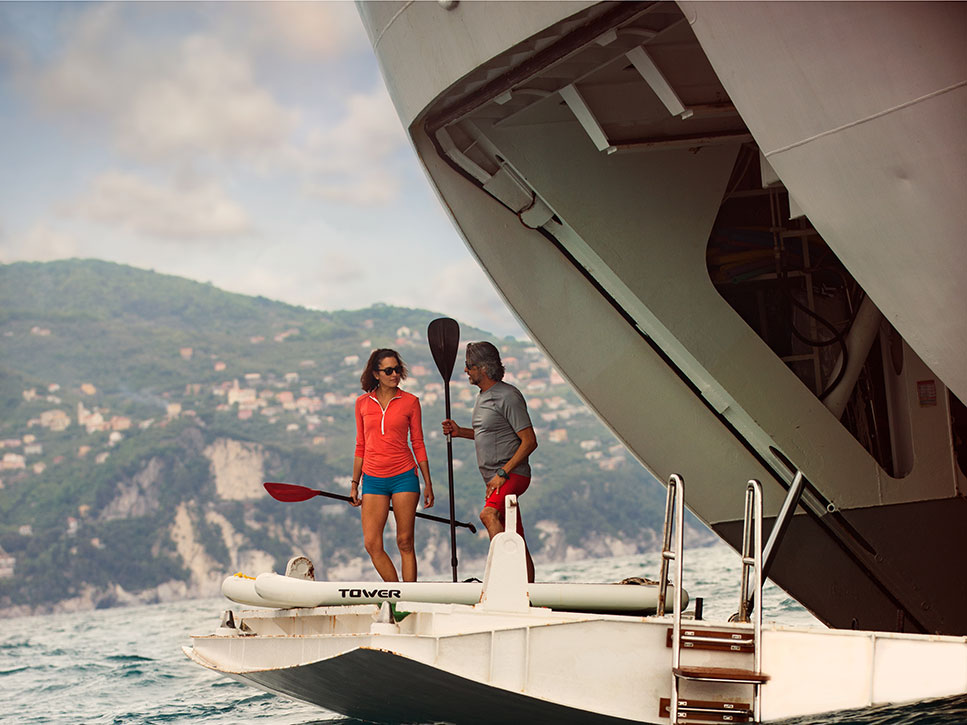
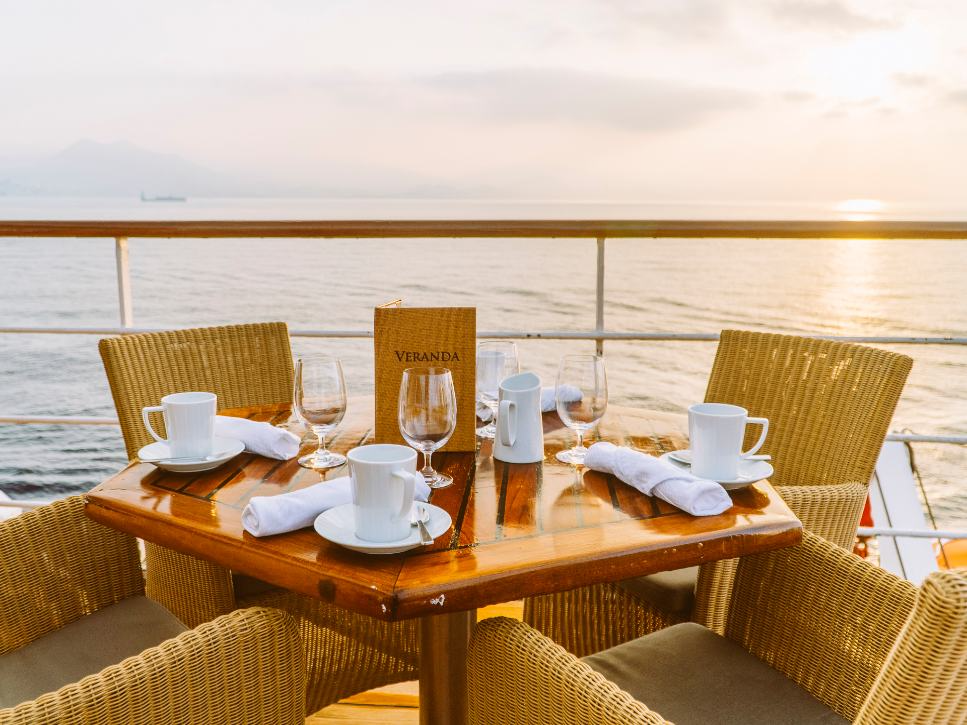
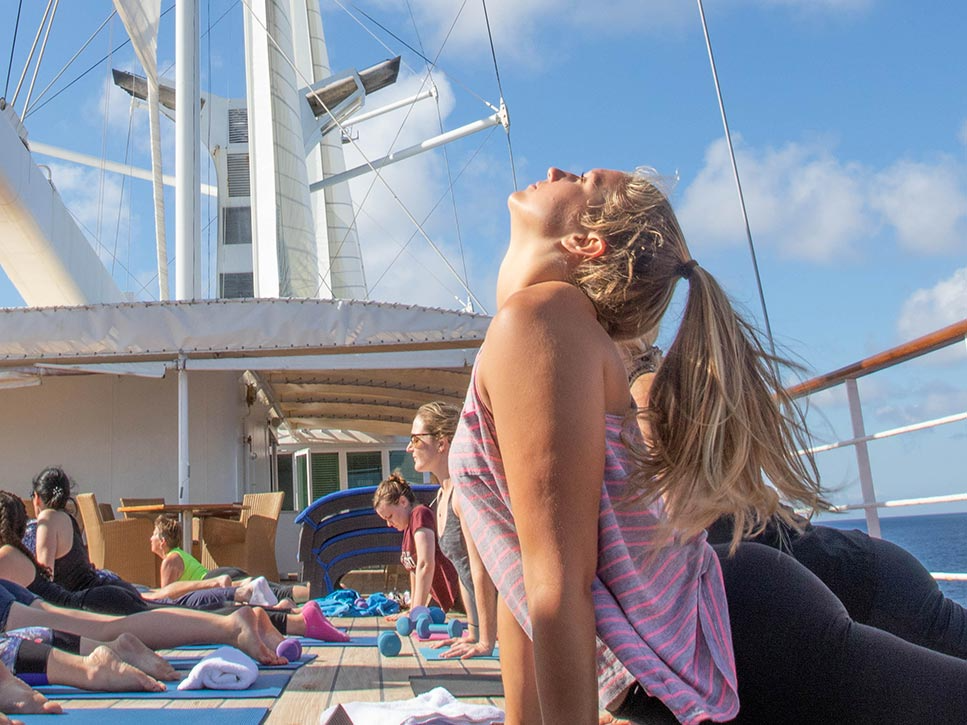
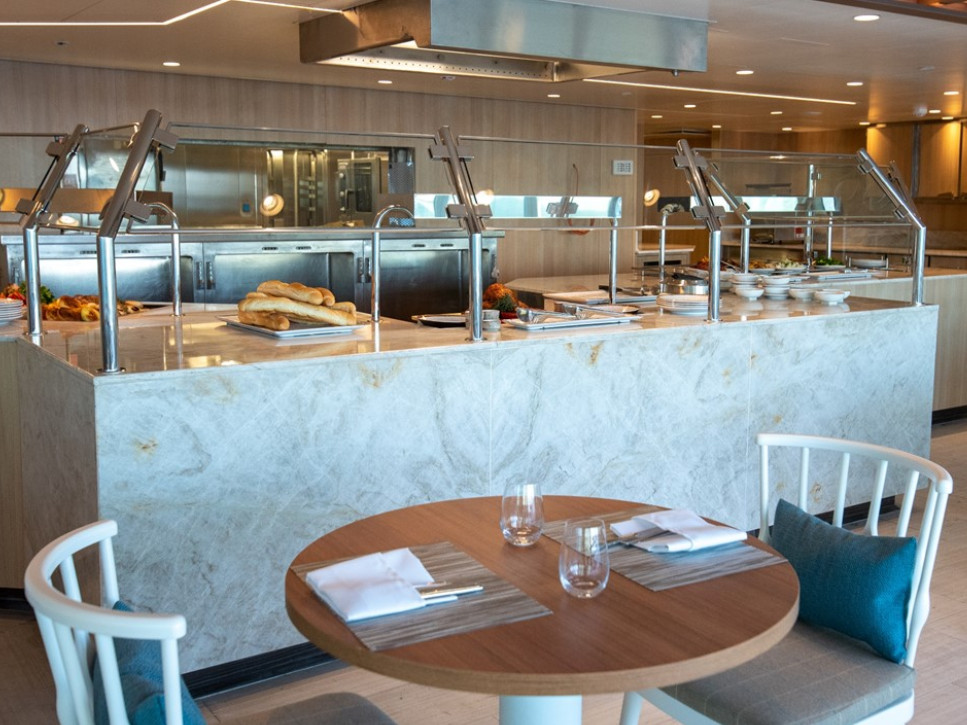
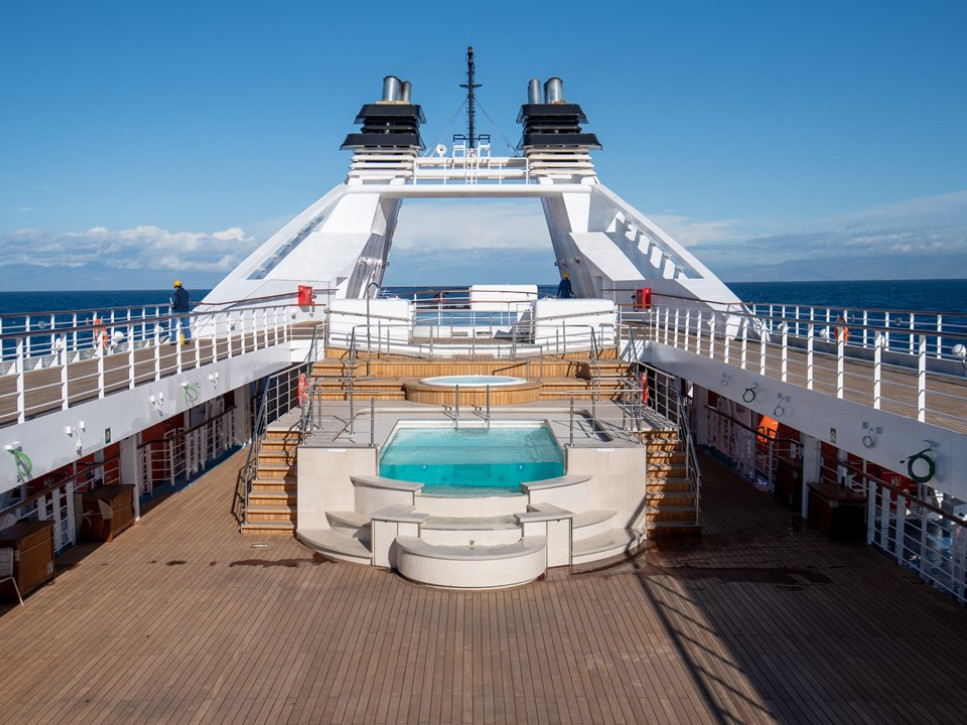
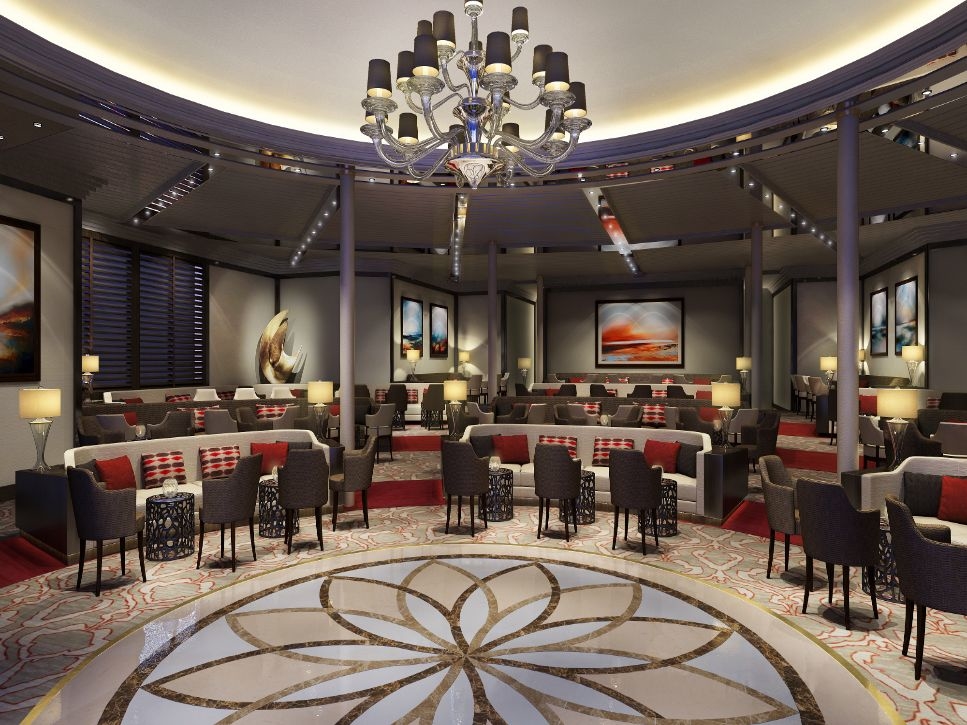
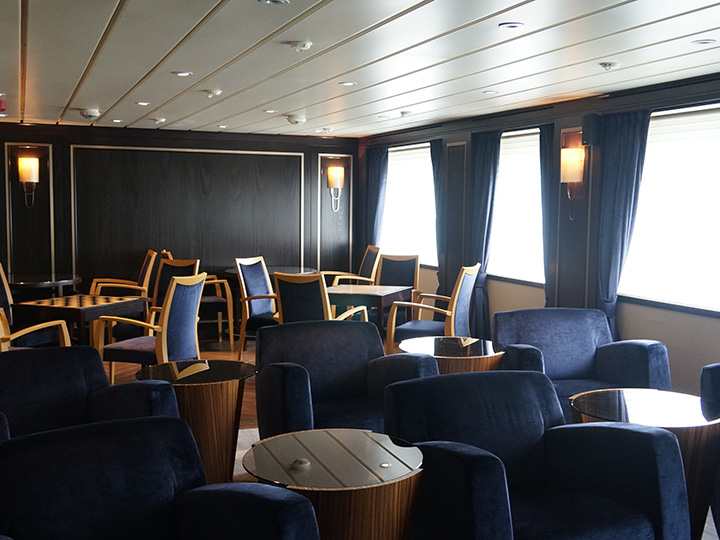
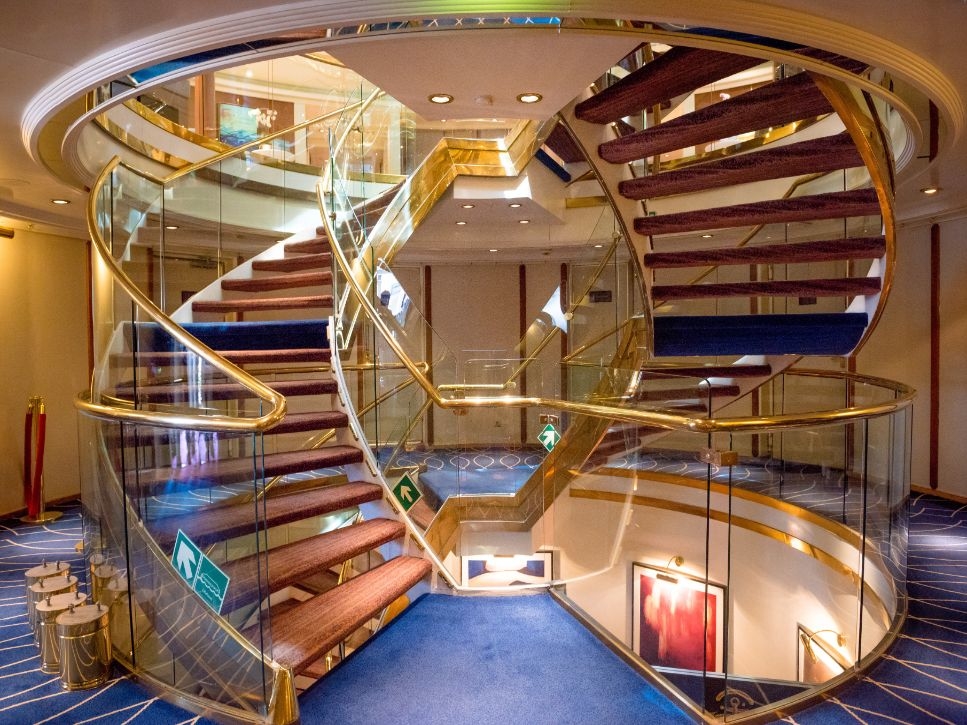
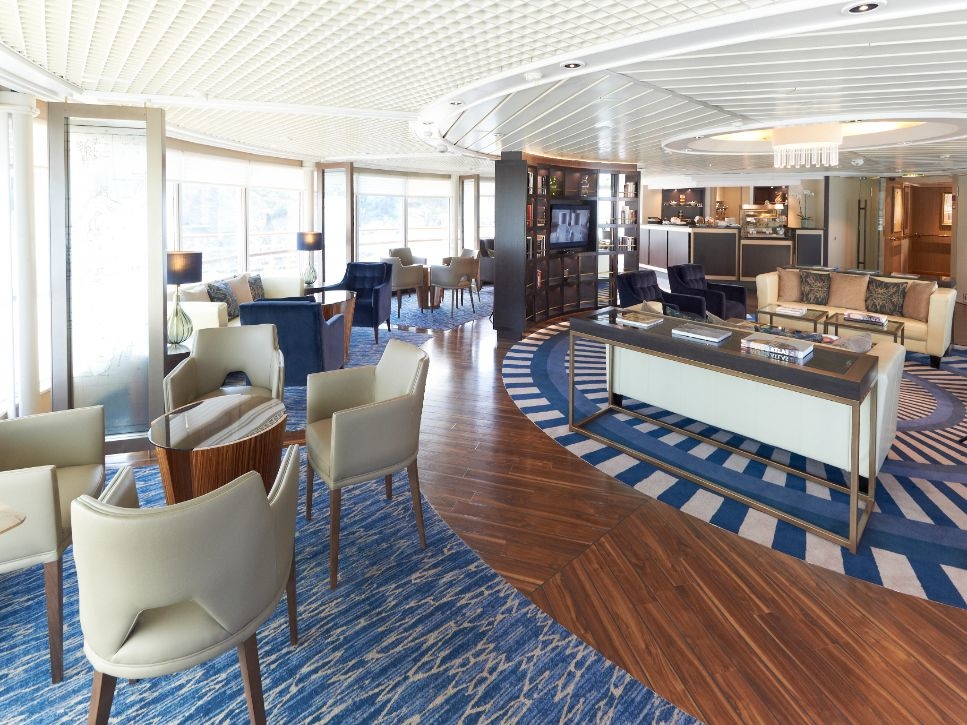
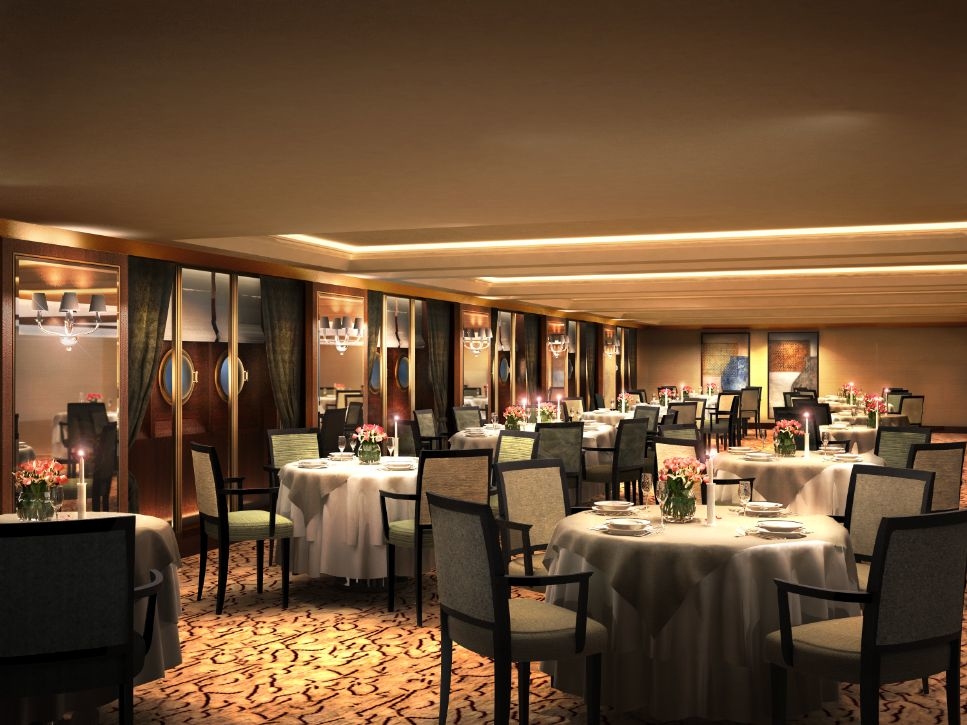
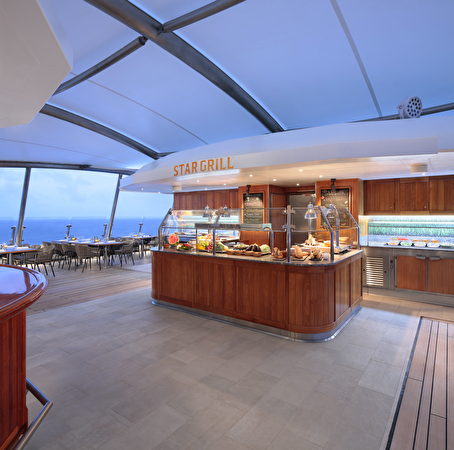
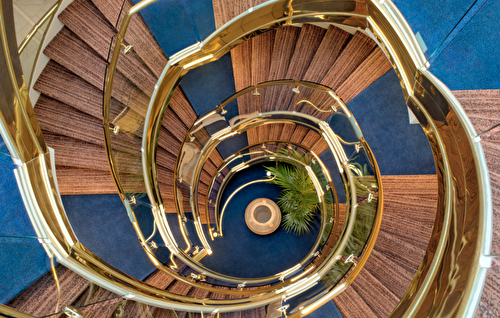
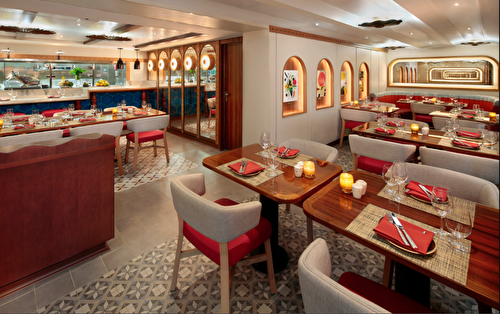
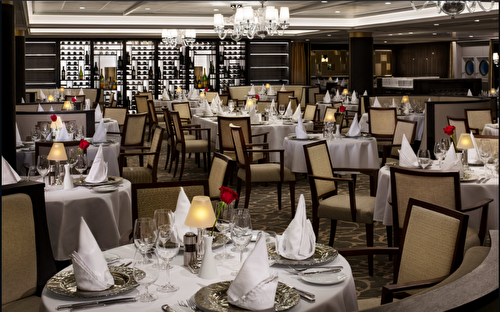
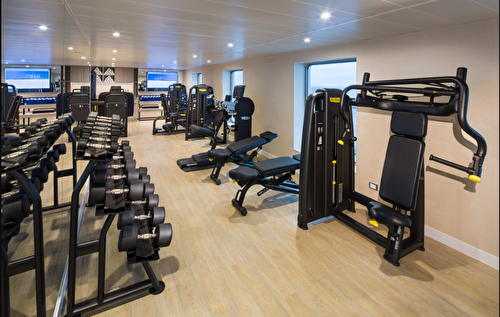
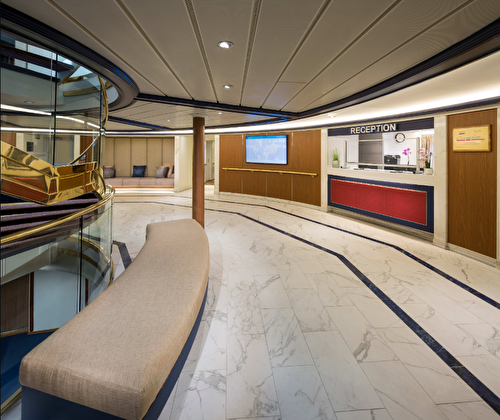
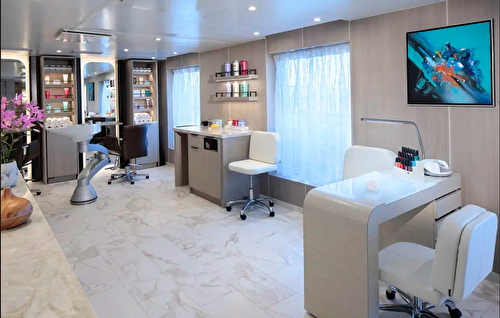
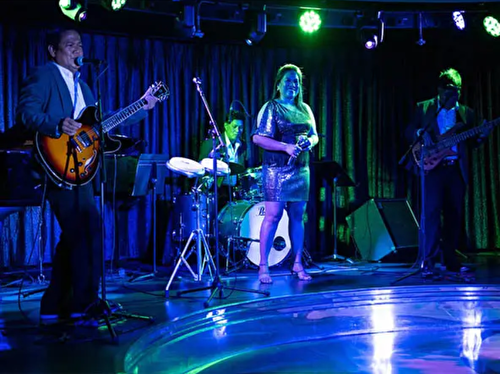
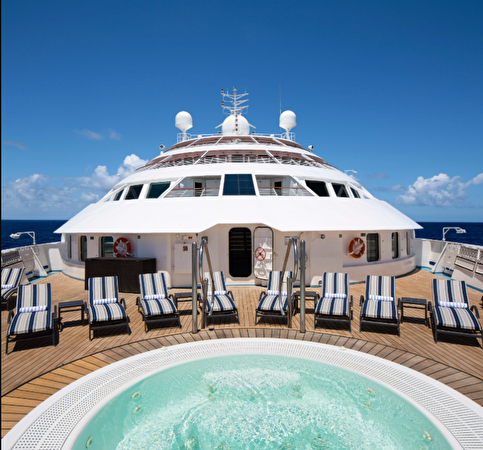
With only 212 guests, a Star Legend cruise will make you feel like you’re on board your own private small ship almost as soon as you step aboard. The sitting area of your spacious, newly refurbished suite gives you an expansive ocean view — making it a welcome retreat. When you’re ready to make an appearance, the lounges, club, and library are waiting to be explored. Take some “you” time in the tranquil WindSpa . . . enjoy a dip in the pool . . . work off that decadent dessert in the Fitness Center . . . and, of course, you are always welcome to visit the Bridge to examine navigation charts with the Captain. Star Legend is large enough to pamper and entertain you, yet small enough to tuck into delightful tiny harbors and hidden coves that others can’t reach. Take a tour to see her beautiful spaces.
Enter your details below