Enter your details below

Departing on 9 May 2027 from Dubrovnik aboard the Wind Spirit - Cruise No: 2285317

Nestled on the Adriatic coast, Dubrovnik is a beautifully preserved fortifed town. Its ancient medieval walls contain a sparkling white Old City, filled with 15th-century churches, peaceful Franciscan cloisters, a cathedral with works by Raphael and Titian, and a fascinating Maritime Museum. One of Dubrovnik’s main attractions is the sea swim from the quiet, rocky beaches on either end of the city, or catch a boat to the wooded island of Lokrum nearby.
Kotor is a fortified town on Montenegro’s Adriatic coast, in a bay near the limestone cliffs of Mt. Lovćen. Characterized by winding streets and squares, its medieval old town has several Romanesque churches, including Kotor Cathedral. It’s also home to the Maritime Museum, which explores local seafaring history. Sveti Đorđe, one of 2 tiny islands off the ancient town of Perast, features a centuries-old church.
Monopoli is a town on the Adriatic Sea, in southern Italy. It’s known for the Baroque Monopoli Cathedral, featuring a tall bell tower. In its crypt is an archaeological museum with sculptures and ancient tombs. On a promontory to the north, the 16th-century Castle of Carlo V has a huge stone portal. Nearby is the frescoed Palmieri Palace, built by a wealthy local family in the late 1700s.
Korčula is a Croatian island in the Adriatic Sea. It has an area of 279 km²; 46.8 km long and on average 7.8 km wide — and lies just off the Dalmatian coast.
Šibenik is a city on the Adriatic coast of Croatia. It’s known as a gateway to the Kornati Islands. The 15th-century stone Cathedral of St. James is decorated with 71 sculpted faces. Nearby, the Šibenik City Museum, in the 14th-century Prince’s Palace, has exhibits ranging from prehistory to the present. The white stone St. Michael’s Fortress has an open-air theater, with views of Šibenik Bay and neighboring islands.
Opatija is a town in western Croatia, just southwest of Rijeka on the Adriatic coast. The city’s most prestigious sight is the Villa Angiolina, which was built in 1844 by Iginio Scarpa, a rich merchant from Rijeka. This villa, transformed into a hotel, gave a boost to tourism to this town. It became a fashionable destination for the Austrian imperial family and Austrian nobility. Soon more luxury hotels and villas were built, such as the Hotel Kvarner, built in 1884. A new railway line was extended to Rijeka, from where one could go by tram to Opatija. The Austrian emperor Franz Joseph I used to spend here several months during winter. Many of these late 19th-century luxury hotels and villas have survived to present times.
For centuries,Venice stood at the crossroads of culture between the Byzantine and Roman worlds. The city the great traders and philosophers created is an extraordinary place. From the elegant carved gondolas and vaporetti that ply the Grand Canal to the magnificent Piazza San Marco bustling with life – Venice is unique in all the world. Great works of art are housed here, in the Accademia with its Renaissance masters and the collection of Peggy Guggenheim in her canal-side palazzo. The Basilica di San Marco and the Doge’s Palace are must-sees. After that, follow where your feet take you, over romantic bridges, to shops selling precious glass, to small cafés for a cappuccino or Campari.
Rovinj is a city in Croatia situated on the north Adriatic Sea. It is located on the western coast of the Istrian peninsula and is a popular tourist resort and an active fishing port. There is a sizeable community of Italians and the town is officially bilingual (Croatian and Italian). One popular tourist attraction is the church of St. Euphemia. The building process started in 1725, and lasted until 1736. Three main altars were built in 1741, and the organ was installed in 1754. The façade was designed and built in the second half of the 19th century. Many altars and paintings enrich and embelish the church from within.
Split is Croatia’s second-largest city and the largest city in the Dalmatia region. It lies on the eastern shore of the Adriatic Sea and is spread over a central peninsula and its surroundings.
Nestled on the Adriatic coast, Dubrovnik is a beautifully preserved fortifed town. Its ancient medieval walls contain a sparkling white Old City, filled with 15th-century churches, peaceful Franciscan cloisters, a cathedral with works by Raphael and Titian, and a fascinating Maritime Museum. One of Dubrovnik’s main attractions is the sea swim from the quiet, rocky beaches on either end of the city, or catch a boat to the wooded island of Lokrum nearby.
Kotor is a fortified town on Montenegro’s Adriatic coast, in a bay near the limestone cliffs of Mt. Lovćen. Characterized by winding streets and squares, its medieval old town has several Romanesque churches, including Kotor Cathedral. It’s also home to the Maritime Museum, which explores local seafaring history. Sveti Đorđe, one of 2 tiny islands off the ancient town of Perast, features a centuries-old church.
This Mediterranean land has been depicted, described and immortalized in song by artists, poets and travelers from every period of history. Along the coast, rugged and inaccessible cliffs soar upwards between beautiful beaches, hidden caves, enchanting bays and sheltered coves. Whereas inland, the high plains, rolling hills and lofty mountains are seared by deep valleys to create a truly unique landscape in which man has also left a clear sign of his remarkable work: the more impervious areas have been modeled into the now-famous terraces, those huge steps descending into the sea on which man has planted vineyards and groves of orange, lemon and olive trees. There are the gardens of delight which exude an inebriating perfume of blossom in spring. The mild climate and predominantly fine weather all year round make the Sorrentine Penisula an ideal destination in any season. The first town in the Peninsula is Vico Equense with its Giusso Castle on the coast and the austere Mont Faito (1400 metres high) which allows you to pass from the sea to the mountain in just a few minutes. Next we find Meta di Sorrento , a town hidden in a maze of alleyways whose small hamlets and sun-drenched beaches are a must for visitors. Piano di Sorrento is a bustling town which harmoniously blends its sea-faring vocation with its rural identity and its role as a major shopping centre. The hill rising up behind the town is traversed by narrow roads flanked by high walls that enclose centuries-old orange and lemon groves.
This Mediterranean land has been depicted, described and immortalized in song by artists, poets and travelers from every period of history. Along the coast, rugged and inaccessible cliffs soar upwards between beautiful beaches, hidden caves, enchanting bays and sheltered coves. Whereas inland, the high plains, rolling hills and lofty mountains are seared by deep valleys to create a truly unique landscape in which man has also left a clear sign of his remarkable work: the more impervious areas have been modeled into the now-famous terraces, those huge steps descending into the sea on which man has planted vineyards and groves of orange, lemon and olive trees. There are the gardens of delight which exude an inebriating perfume of blossom in spring. The mild climate and predominantly fine weather all year round make the Sorrentine Penisula an ideal destination in any season. The first town in the Peninsula is Vico Equense with its Giusso Castle on the coast and the austere Mont Faito (1400 metres high) which allows you to pass from the sea to the mountain in just a few minutes. Next we find Meta di Sorrento , a town hidden in a maze of alleyways whose small hamlets and sun-drenched beaches are a must for visitors. Piano di Sorrento is a bustling town which harmoniously blends its sea-faring vocation with its rural identity and its role as a major shopping centre. The hill rising up behind the town is traversed by narrow roads flanked by high walls that enclose centuries-old orange and lemon groves.
2,500 years of history are woven into the fabric of modern Rome. You can feel it in the glory of the Sistine Chapel in the Vatican. Or as you wander sidestreets that open onto piazzas, fountains, Bernini sculpture, and elegant courtyards. Famous treasures are legion in Rome: the Colosseum…the Forum…St. Peter’s Cathedral…the Trevi Fountain…the Spanish Steps. Take time out between sights to do as the Romans do: enjoy a three-hour lunch, shop, people-watch, or savor the best gelati in the world.
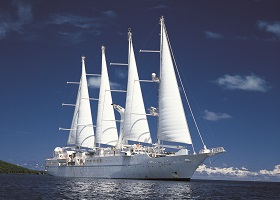
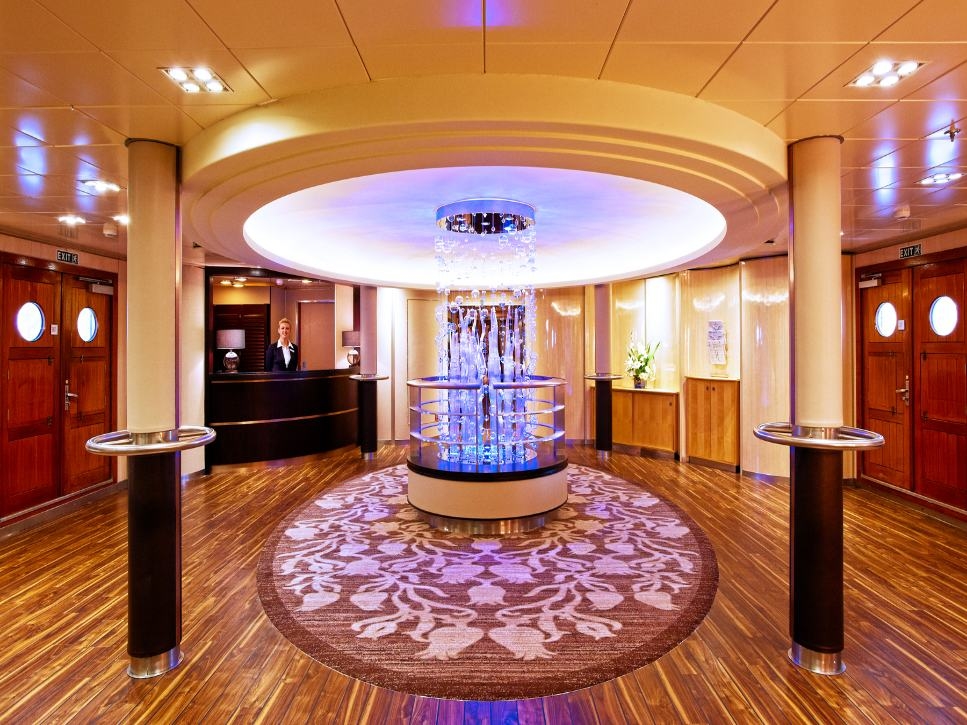
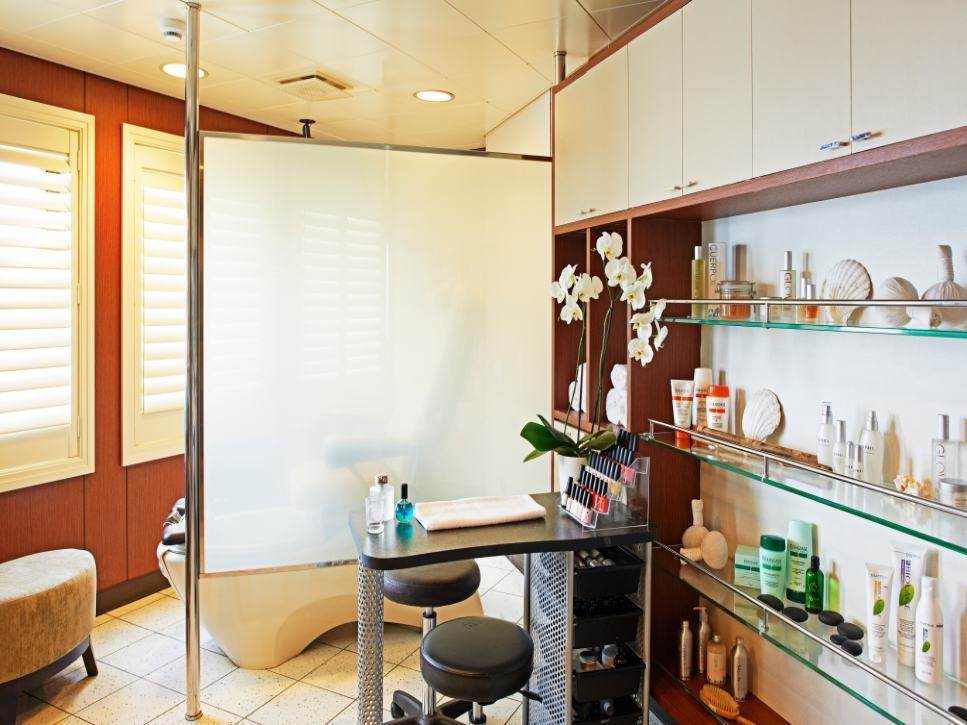
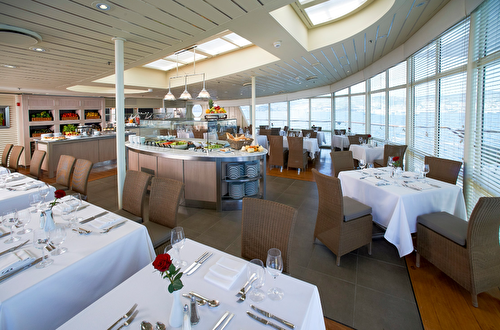
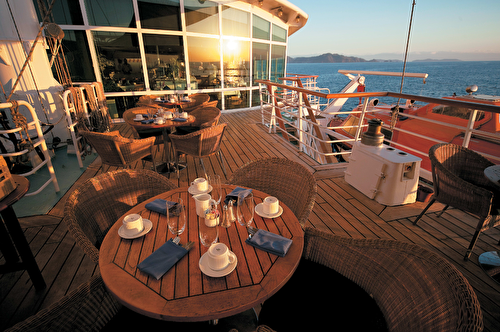
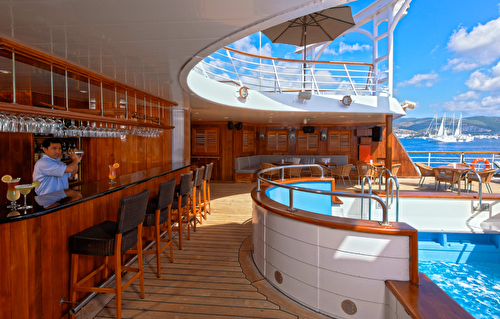
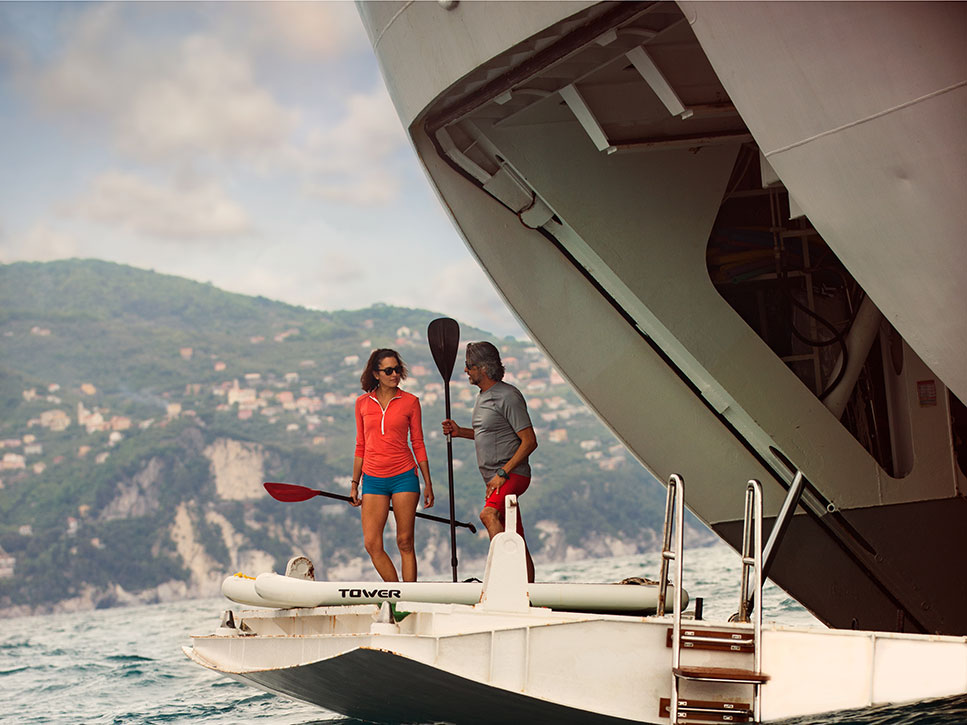
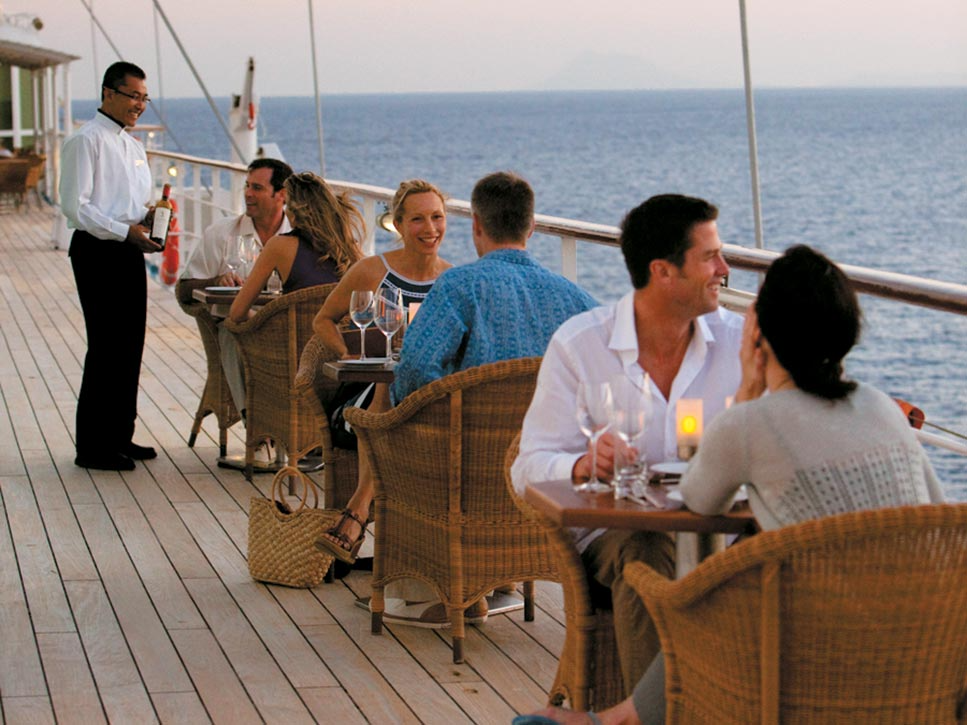
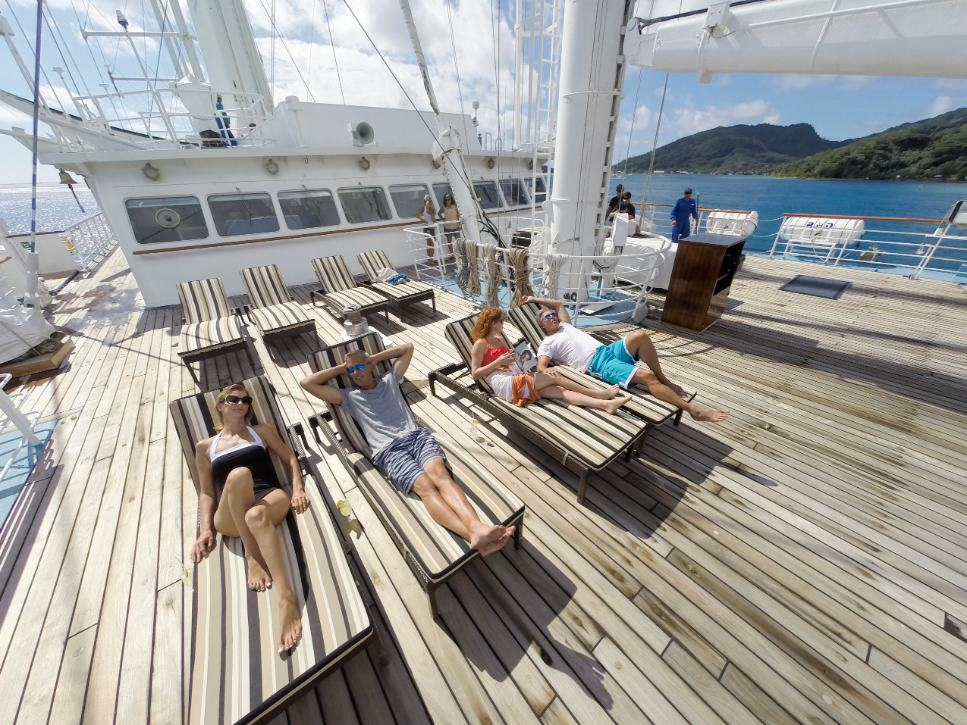
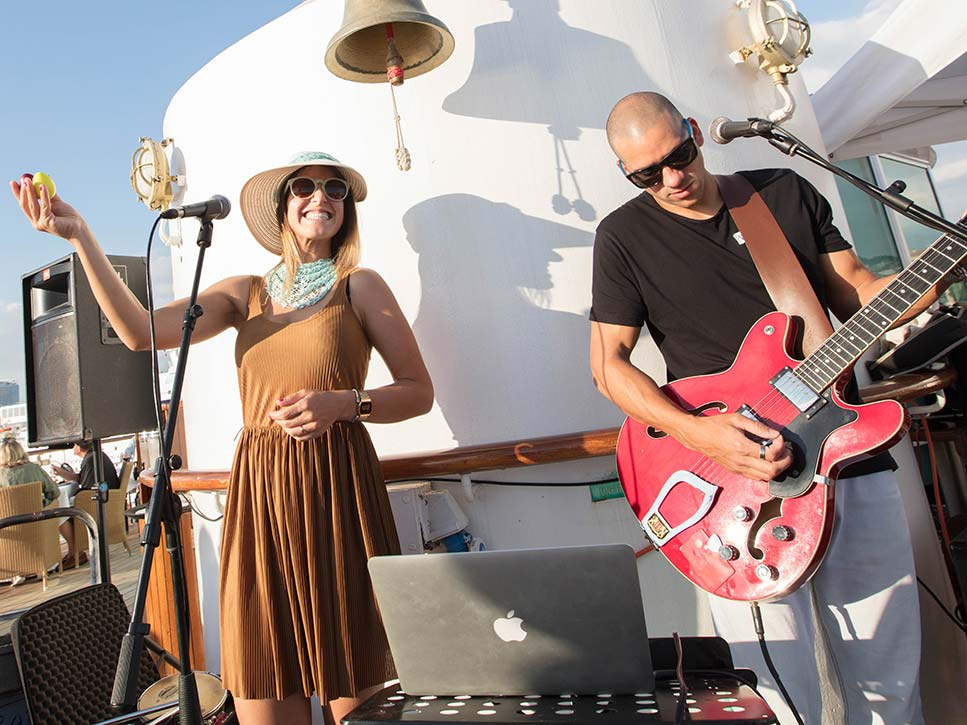
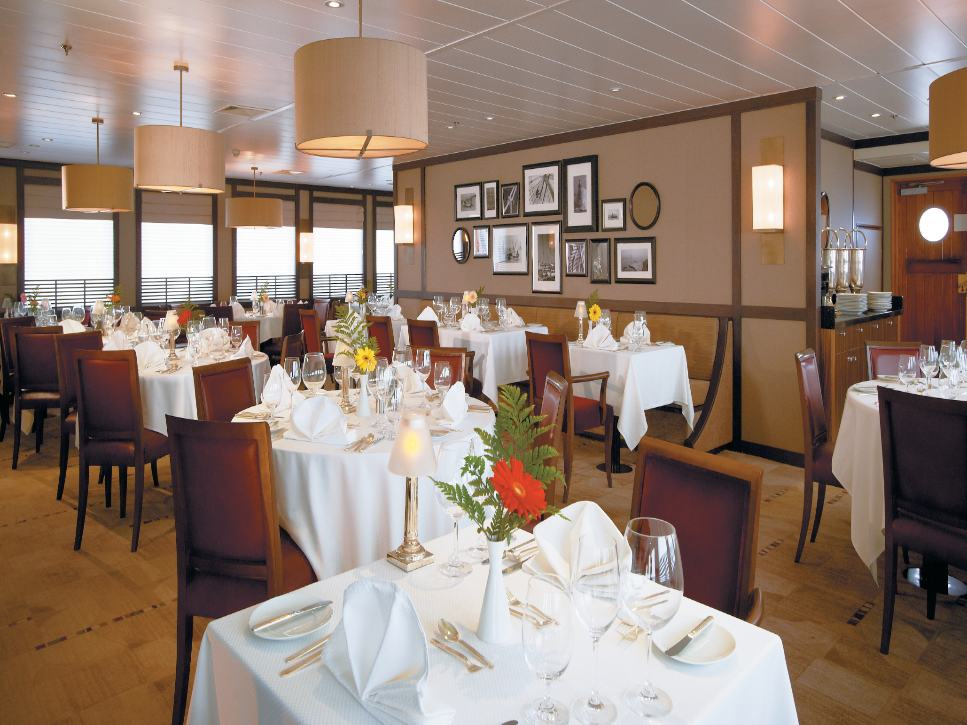
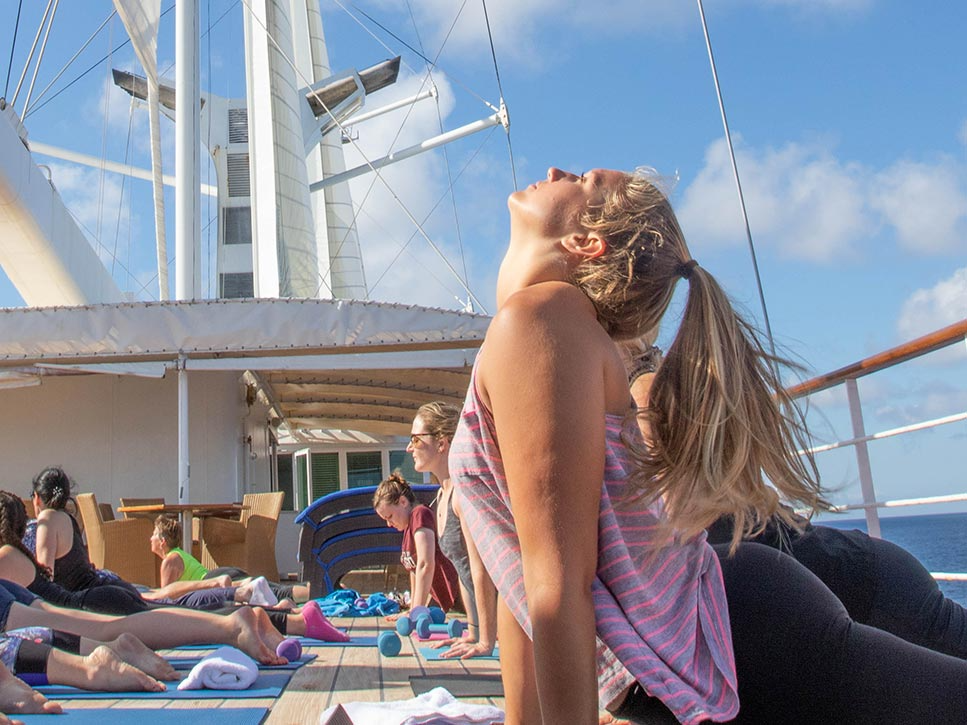
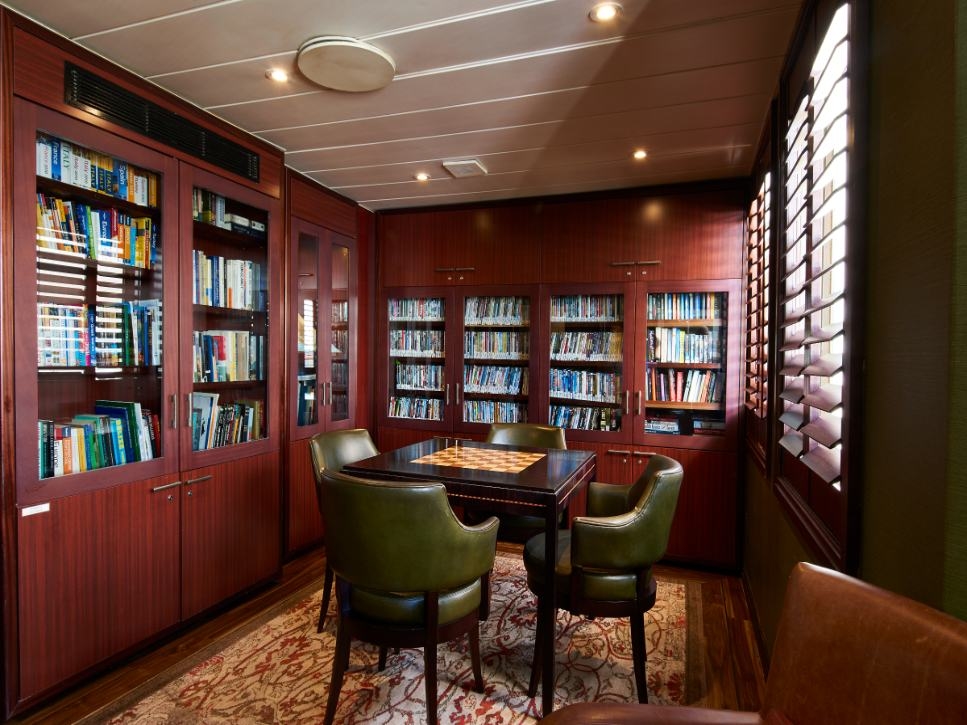
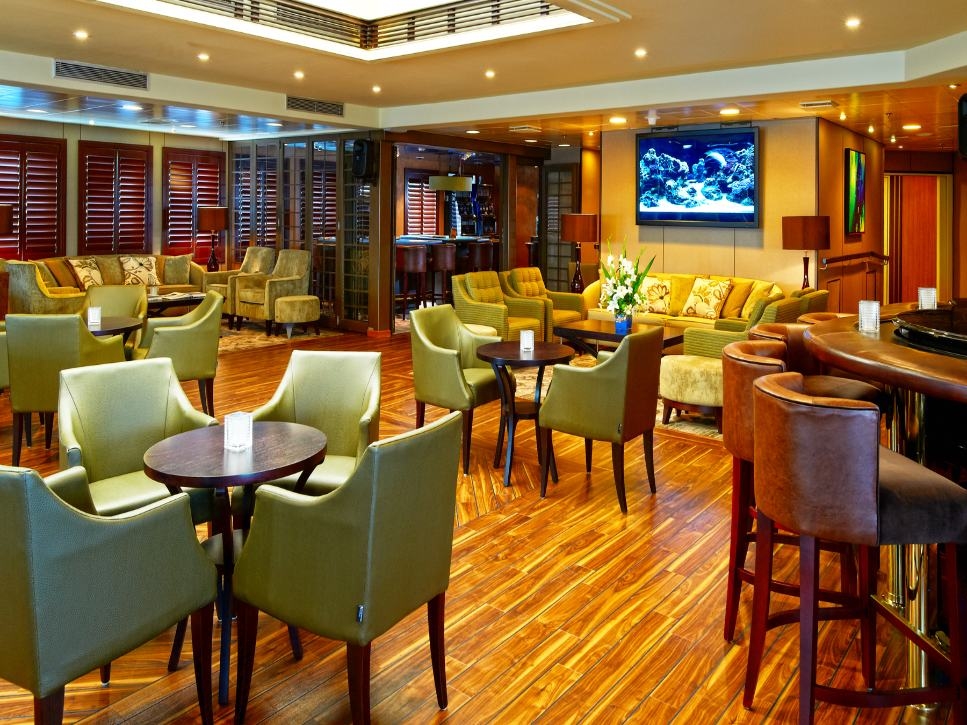
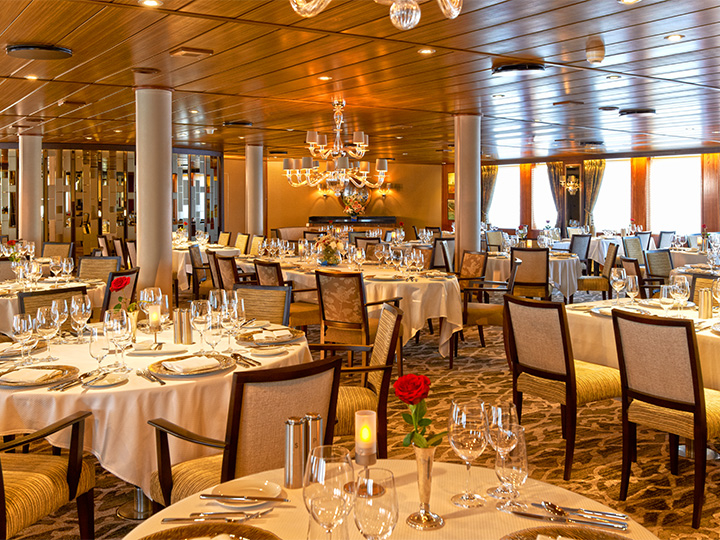
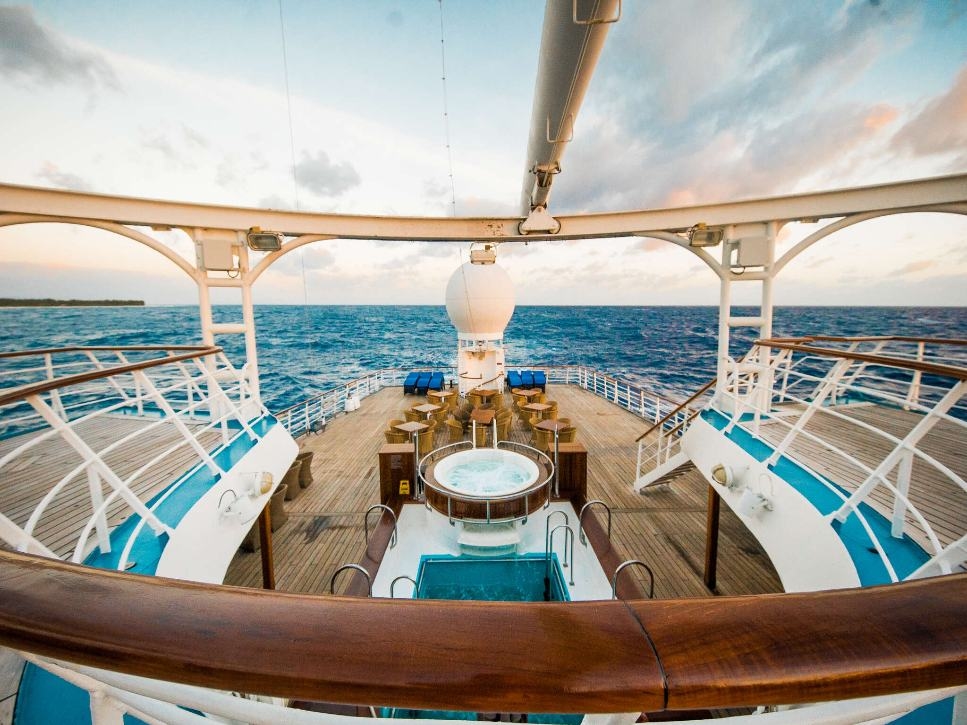
The Wind Spirit is a sleek, 4-masted sailing ship accommodating 148 guests. With four decks and a gross tonnage of 5,736, Wind Spirit feels like your own private small ship. Wind Spirit features wide open, teak decks—quite unusual for small ships. Guests will find hidden nooks for private moments giving them a feeling of being on their own private veranda. All staterooms have ocean views, queen beds, flat-screen TV with DVD player, and Bose SoundDock speakers for Apple iPods. The Owner’s Suite includes a sitting area. Wind Spirit offers two primary dining venues. Amphora restaurant offers gourmet, course-by-course cuisine in the evenings and Veranda restaurant offers casual buffet and full-service dining for breakfast and lunch. All dining is open seating. And, for dining under the stars, make a reservation for Candles which features steaks and skewers. Wind Spirit amenities include: WindSpa, Watersports Platform, Lounge, Library, Pool, and Hot Tub.
Bar
Poolside Bar
Veranda
Hot Tubs
Massage
Spa
Whirlpool
Library
Outdoor Pool
The Wind Spirit is a sleek, 4-masted sailing ship accommodating 148 guests. With four decks and a gross tonnage of 5,736, Wind Spirit feels like your own private small ship. Wind Spirit features wide open, teak decks—quite unusual for small ships. Guests will find hidden nooks for private moments giving them a feeling of being on their own private veranda. All staterooms have ocean views, queen beds, flat-screen TV with DVD player, and Bose SoundDock speakers for Apple iPods. The Owner’s Suite includes a sitting area. Wind Spirit offers two primary dining venues. Amphora restaurant offers gourmet, course-by-course cuisine in the evenings and Veranda restaurant offers casual buffet and full-service dining for breakfast and lunch. All dining is open seating. And, for dining under the stars, make a reservation for Candles which features steaks and skewers. Wind Spirit amenities include: WindSpa, Watersports Platform, Lounge, Library, Pool, and Hot Tub.
Bar
Poolside Bar
Veranda
Hot Tubs
Massage
Spa
Whirlpool
Library
Outdoor Pool
Enter your details below