
Enter your details below

Departing on 5 Mar 2028 from Hong Kong aboard the Silver Muse - Cruise No: 2278440

A spectacular, serrated skyline of soaring towers and neon lights, Hong Kong is a vibrant, immersive metropolis and cultural hub. Dramatic harbour-front light shows transform the waterfront’s gleaming buildings into a colourful canvas – best seen from the Star Ferry, when the Symphony of Lights blares into life each evening. A city where future and tradition collides – perhaps best illustrated by the skyscrapers that feature gaping holes, designed to allow spirit dragons to soar from the hills to the waterfront unimpeded. View less
Wander flowing shopping streets, wade through sprawling markets and soak up the neon glory of this one-of-a-kind city – which continues to reach for the sky. Hong Kong’s dense jumble of activity is one of its main appeals, but once you’ve felt the thrill of rising to towering observation decks, to see the soaring city from above, it’s surprisingly easy to find peace among Hong Kong’s intense urban wonders. Victoria Peak is the highest point and it offers staggering views down over the city and harbour. The Peak Tram funicular can ferry you to the top, to the vantage point which was historically adored by the rich for the cooler air found here, away from the busy bustle of the city streets. Many elaborate temples add a tranquil element to Hong Kong’s whirr, and Tin Hau temple has a surprisingly urban location, considering its dedication to the Goddess of the Sea. It did once occupy the shorefront, but the city’s growth saw land reclaimed from the sea around it, leaving the temple marooned inland. Having been leased to the British for 99 years, milky tea is a revered tradition here – enjoy your cup with a serving of local dim sum.While it’s easy to think all the bright lights are the sum of today’s Hong Kong, you need only walk or board a tram for the short jaunt west into Western to discover a side of Hong Kong that is more traditionally Chinese but no less high-energy. You’ll discover the real Hong Kong to the east of Central, too, in Wan Chai, Causeway Bay, and beyond. Amid the residential towers are restaurants, shopping malls, bars, convention centers, a nice smattering of museums, and—depending on fate and the horse you wager on—one of Hong Kong’s luckiest or unluckiest spots, the Happy Valley Racecourse. Kowloon sprawls across a generous swath of the Chinese mainland across Victoria Harbour from Central. Tsim Sha Tsui, at the tip of Kowloon peninsula, is packed with glitzy shops, first-rate museums, and eye-popping views of the skyline across the water. Just to the north are the teeming market streets of Mong Kok and in the dense residential neighborhoods beyond, two of Hong Kong’s most enchanting spiritual sights, Wong Tai Sin Temple and Chi Lin Nunnery. As you navigate this huge metropolis (easy to do on the excellent transportation network), keep in mind that streets are usually numbered odd on one side, even on the other. There’s no baseline for street numbers and no block-based numbering system, but street signs indicate building numbers for any given block.
Adorned with huge public artworks and thrumming night markets, Kaohsiung is the perfect introduction to energetic Taiwan. The busy harbour of the country’s third-biggest city fuelled rapid growth here, and while it’s vast in scale, Kaohsiung has wide and airy boulevards – interspersed with parks where fountains fire water high into the sky. Filled with cultural splendour – you can visit soaring temples lit by softly glowing lanterns, and taste exotic street foods as you fall for this city, which is dissected by the Love River. View less
The vividly coloured Dragon and Tiger Pagodas soar into the sky above the blooming flowers of Lotus Lake, promising visitors good luck – on the proviso that they enter through the dragon’s mouth and leave via the tiger. The good fortune kicks in instantly, as you emerge to see the zigzagging path that leads to the Pei Chi Pavilion. Rows of long fishing rods lean out over the walls of Cijin Island, while the fruits of the ocean are served up amid a sensory overload of neon lights, and swells of people, in Liuhe night market. Try sea snails and lobster, before cooling off from Taiwan’s heat with some shaved ice – flavoured with a sweet banana kick. Central Park is a green and spacious escape in the heart of Kaohsiung, while primates scamper through the airy forested mountain trails of Shou-Shan Mountain behind the city. Elsewhere, you can take the short hop out of the city to Fo Guang Shan Monastery, where a troupe of eight pagodas will lead you on the walk up to the humungous buddha which glints on top of the striking temple.
Located on the north coast of Taiwan, and embraced by lush green mountains, Keelung City is Taiwan’s second-biggest port and a major gateway to Taipei’s glittering lights and spectacular skyscrapers. It can get a little damp here at times – the city is known as the ‘Rainy Port’ after all – but even the elements fail to dampen the spirits in this Taiwanese hotbed of tradition, modernity and rich culture. View less
Keelung is famous for its Mid-Summer Ghost festival – when dragons decorated with flowers and spitting pyrotechnics are paraded through the streets. Flickering lanterns glitter on the water’s waves, creating a beautiful, ethereal scene. If you do linger in Keelung, witness the city coming to life as the sun dips – and Keelung Miaokou night market floods with people below a blinding wash of lights. Most will choose to take the ride to the country’s capital, Taipei, and visit this mesmerising modern city, which blends influences from around the world. A quirky city of museums and countless bustling markets. Stands and stalls work late into the night, serving up every food you can imagine. Wander between the salivating smells and rising flames of open fires, which cook up everything from fried oysters to chicken and fish pastries – as you ride the all-out sensory assault of the city’s bustling markets. Incredible temples are sprinkled across Taipei, such as Bao-An Temple, a peaceful, incense-infused place of colourful artistry. The country’s heritage is reflected in towering new architecture like the tiered pagoda of the Taipei 101 skyscraper, which dominates the skyline from every angle.
Ishigaki is a city in Okinawa Prefecture, Japan, and includes Ishigaki Island and the disputed Senkaku Islands territory. Ishigaki City is the political, cultural, and economic centre of the Yaeyama Islands. At approximately 85 square miles (221 square kilometres) Ishigaki City covers all of Ishigaki Island. Ishigaki Island is part of the island chain comprising the Yaeyama Archipelago, and surrounded by coral reefs. Its highest point is Omoto, an approximately 1,726-foot-high (about 526-metre-high) mountain located on Ishigaki Island, and the tallest mountain in the Okinawa Prefecture. View less Together with Kabira Bay, Mount Omoto is a nationally-designated Place of Scenic Beauty. The uninhabited Senkaku Islands are located approximately 93 miles (about 150 kilometres) north of Ishigaki Island, and have an area of approximately 2.4 square miles (about 6.3 square kilometres).
Strategically located where the Yangtze River, Grand Canal and Pacific Ocean meet, Shanghai has served as a major commercial port since the Song Dynasty (10th century). From here, the regions substantial cotton crop was shipped to Beijing and more remote regions in China and Japan. By the Qing Dynasty, vast mercantile guilds, organized by trade, had established economic and a considerable amount of political control of the city. In the 1840s Shanghai was described by a representative of the British East India Company as “the principal emporium of Eastern Asia.” Not surprisingly, after the Opium Wars the British moved in under the Treaty of Nanking, followed by the French, and set up the first foreign concessions in the city.
Strategically located where the Yangtze River, Grand Canal and Pacific Ocean meet, Shanghai has served as a major commercial port since the Song Dynasty (10th century). From here, the regions substantial cotton crop was shipped to Beijing and more remote regions in China and Japan. By the Qing Dynasty, vast mercantile guilds, organized by trade, had established economic and a considerable amount of political control of the city. In the 1840s Shanghai was described by a representative of the British East India Company as “the principal emporium of Eastern Asia.” Not surprisingly, after the Opium Wars the British moved in under the Treaty of Nanking, followed by the French, and set up the first foreign concessions in the city.
Strategically located where the Yangtze River, Grand Canal and Pacific Ocean meet, Shanghai has served as a major commercial port since the Song Dynasty (10th century). From here, the regions substantial cotton crop was shipped to Beijing and more remote regions in China and Japan. By the Qing Dynasty, vast mercantile guilds, organized by trade, had established economic and a considerable amount of political control of the city. In the 1840s Shanghai was described by a representative of the British East India Company as “the principal emporium of Eastern Asia.” Not surprisingly, after the Opium Wars the British moved in under the Treaty of Nanking, followed by the French, and set up the first foreign concessions in the city.
Set on the north-east coast of the Bohai Sea, Tianjin’s port opens up the city and serves as a gateway to Beijing – which lies approximately three-hours drive inland. Tianjin is a vast and impressive city in its own right, with oodles of character and charm – especially since it received a comprehensive facelift for China’s Olympic Games in 2008. There is deep international history here, as the area was conceded to foreign powers during the Opium Wars. View less
As a result, it’s peppered with historical buildings, temples and palaces, and you’ll encounter a dizzying swirl of cultures. There is a distinctive European flavour in places – notably the architecture of the Five Avenues, which features a blend of historical buildings from Europe’s past empires. The skyscrapers of modern China’s booming economy have also sprung up, along with ambitious structures like the flowing curves of the library. Unique creations like the Tianjin Eye span the river – a fusion between a ferris wheel and a bridge, it glows brightly over the river’s water at night. The Ancient Culture Street is a traditional Qing Dynasty style stretch of bustling, living history. For most, however, the allure of one of China and the world’s mega-cities, Beijing, will be too strong a draw. Visit immense cultural treasures like the extraordinary Forbidden City, an incredible central labyrinth of 800 palaces. The vast and iconic Tiananmen Square stretches out close by – watched over by a ginormous Chairman Mao portrait – where you can see the Chinese flag ceremonially hoisted high into the sky each day, and a venue where dramatic and iconic events of Chinese history have played out. You’re also within reach of one of the world’s most recognisable landmarks – the undulating expanse of the Great Wall of China, which snakes across the area’s mountains.
Set on the north-east coast of the Bohai Sea, Tianjin’s port opens up the city and serves as a gateway to Beijing – which lies approximately three-hours drive inland. Tianjin is a vast and impressive city in its own right, with oodles of character and charm – especially since it received a comprehensive facelift for China’s Olympic Games in 2008. There is deep international history here, as the area was conceded to foreign powers during the Opium Wars. View less
As a result, it’s peppered with historical buildings, temples and palaces, and you’ll encounter a dizzying swirl of cultures. There is a distinctive European flavour in places – notably the architecture of the Five Avenues, which features a blend of historical buildings from Europe’s past empires. The skyscrapers of modern China’s booming economy have also sprung up, along with ambitious structures like the flowing curves of the library. Unique creations like the Tianjin Eye span the river – a fusion between a ferris wheel and a bridge, it glows brightly over the river’s water at night. The Ancient Culture Street is a traditional Qing Dynasty style stretch of bustling, living history. For most, however, the allure of one of China and the world’s mega-cities, Beijing, will be too strong a draw. Visit immense cultural treasures like the extraordinary Forbidden City, an incredible central labyrinth of 800 palaces. The vast and iconic Tiananmen Square stretches out close by – watched over by a ginormous Chairman Mao portrait – where you can see the Chinese flag ceremonially hoisted high into the sky each day, and a venue where dramatic and iconic events of Chinese history have played out. You’re also within reach of one of the world’s most recognisable landmarks – the undulating expanse of the Great Wall of China, which snakes across the area’s mountains.
The bright lights of neighbouring big city Seoul might burn brightly but Incheon, just 27 kilometres away, has nothing to be ashamed of. The coastal city was the first to open its borders to the world in 1883, and as such has always enjoyed a special relationship with the west. So much so that it was granted “English Status” in 2007, with many residents priding themselves on their command of the language. View less
The city’s love of English has made it a business powerhouse so expect soaring skyscrapers and smart technology as part of the landscape. Incheon was also the first to welcome the Chinese and today the city’s Chinatown is one of the most vibrant and welcoming there is. A frenetic and exciting hybrid of Chinese and Korean heritage, it is said that Jjajangmyeon (black soy bean noodles), South Korea’s de facto national dish originates from here. Try a steaming bowl from one of the many vendors, then walk it off with the short 15-minute stroll from Chinatown to the traditional Sinpo Market for different kind of sensational feast. The city is steeped in history, notably in recent times during the Korean War. In 1950, the US general General MacArthur led UN forces behind enemy lines in freeing the city from North Korean pressure. MacArthur’s victory is commemorated by a statue in the Jaya (Freedom) Park. The city’s history of course goes back much further, with the first historical record dating as far back as 475 CE. At the time the city was called Michuhol, only changing its name to Incheon in 1413.
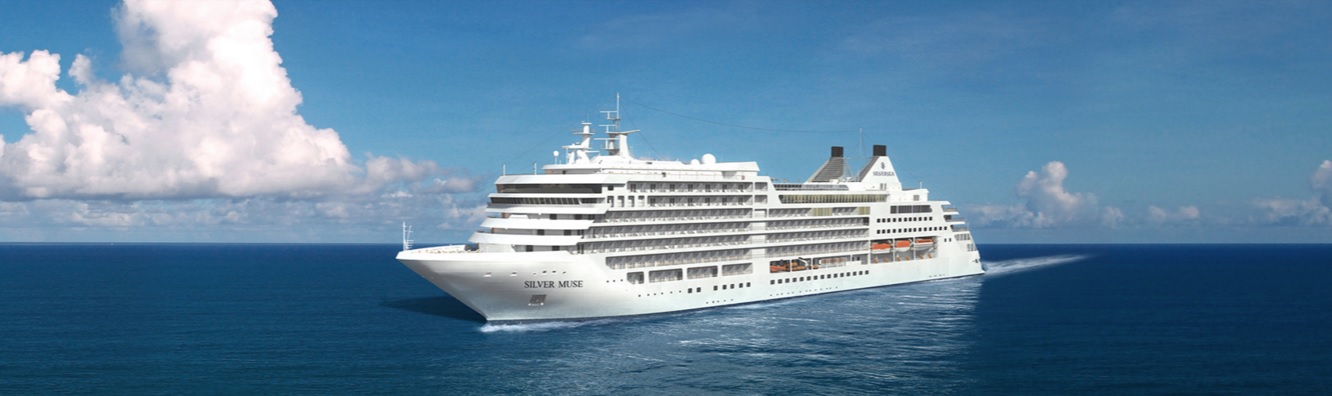
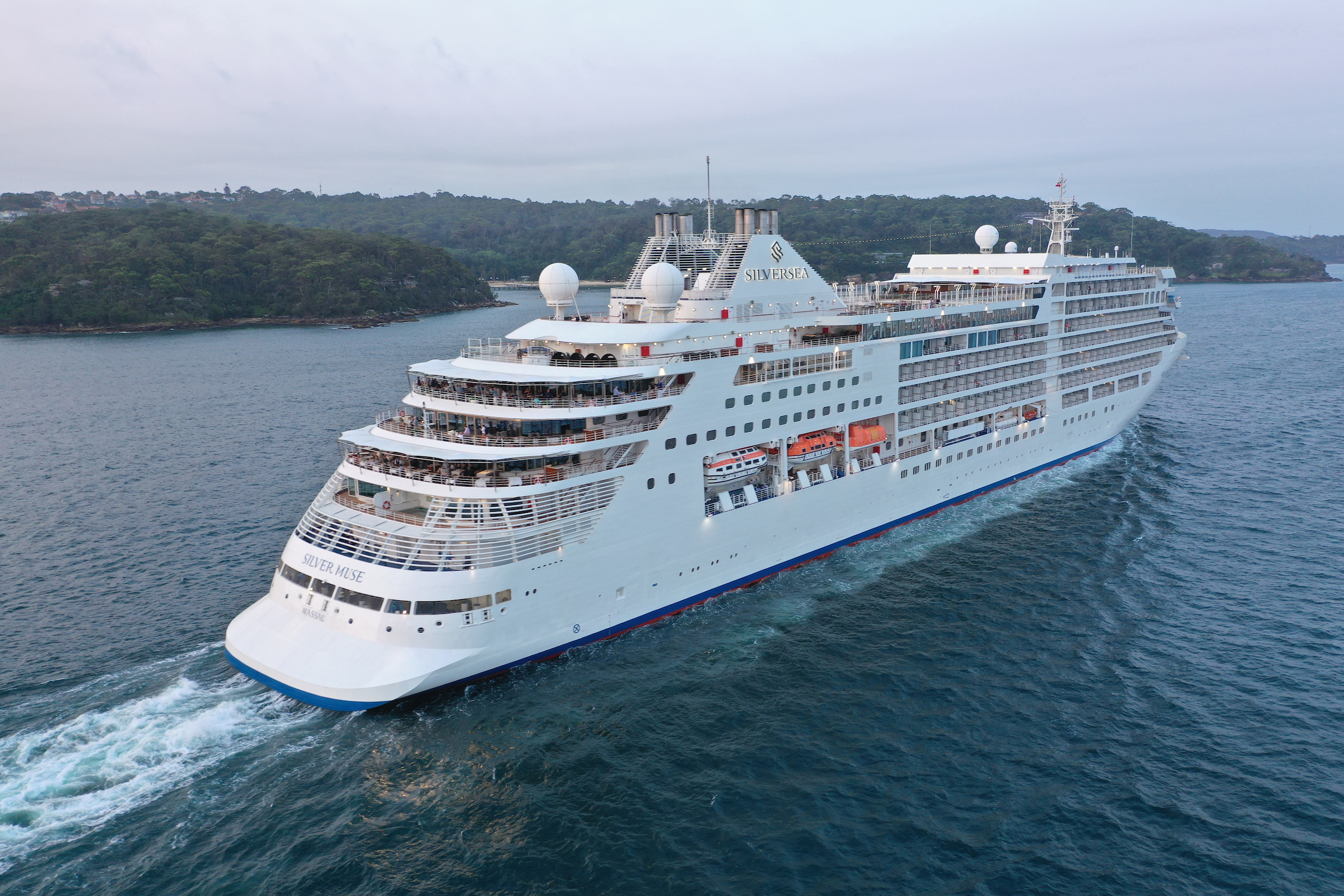
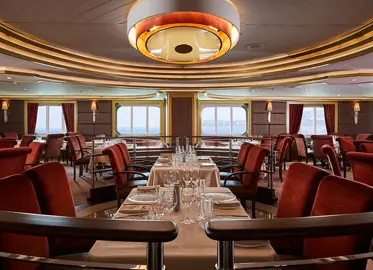
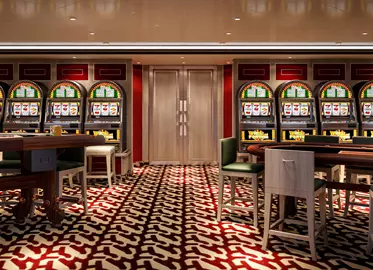
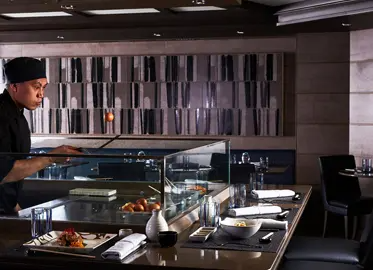
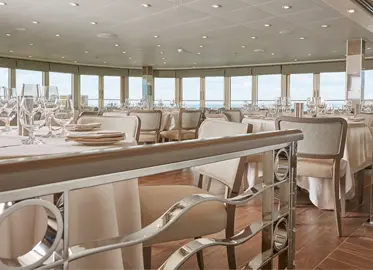
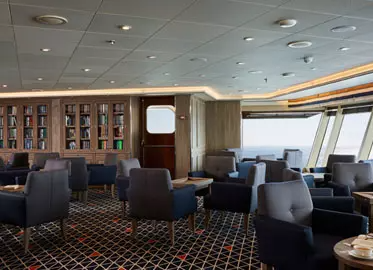
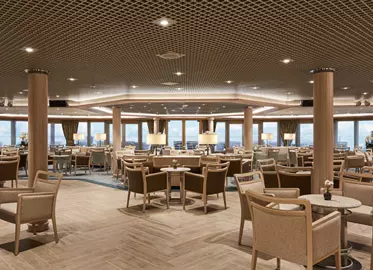
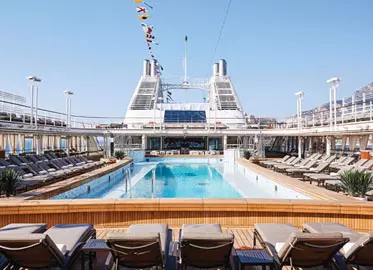
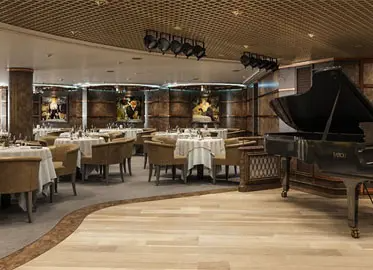
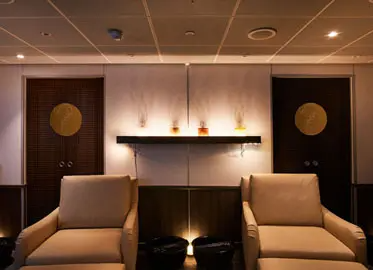
Silver Muse is without question an inspirational work of art. The best place between sea and sky, eight dining venues, spacious outdoor areas and up-to-the-minute technology makes her simply divine.
Silversea Cruises is happy to present our new flagship, Silver Muse. Delivered in spring of 2017, the new ultra-luxury ship was built by Fincantieri and at 40,700 grt accommodates 596 guests. Representing an exciting evolution of Silver Spirit, Silver Muse redefines ultra-luxury ocean travel – enhancing the small-ship intimacy and spacious all-suite accommodations that are the hallmarks of the Silversea experience. The addition of Silver Muse expands Silversea’s fleet to nine ships, and once again significantly raises the bar in the ultra-luxury cruise market with a wealth of enhancements to the onboard experience, while satisfying the uncompromising requirements for comfort, service, and quality of the world’s most discerning travellers.
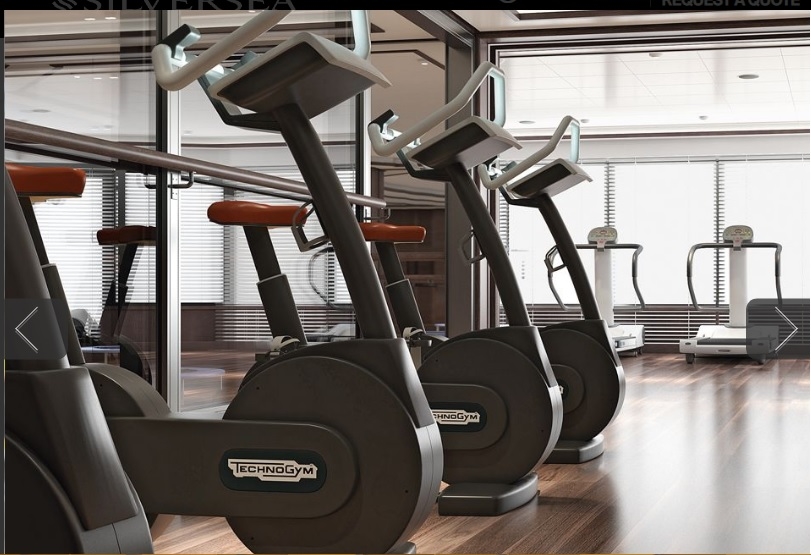
Fitness Center
Jogging Track
Beauty Salon
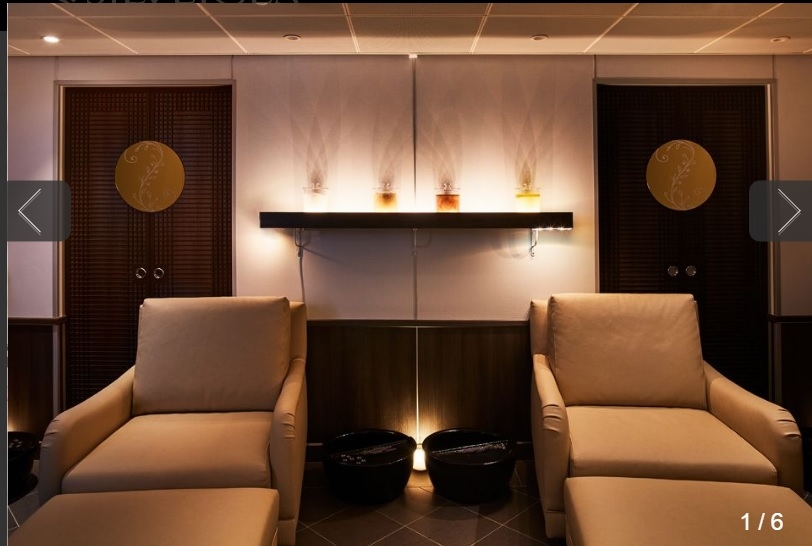
Spa
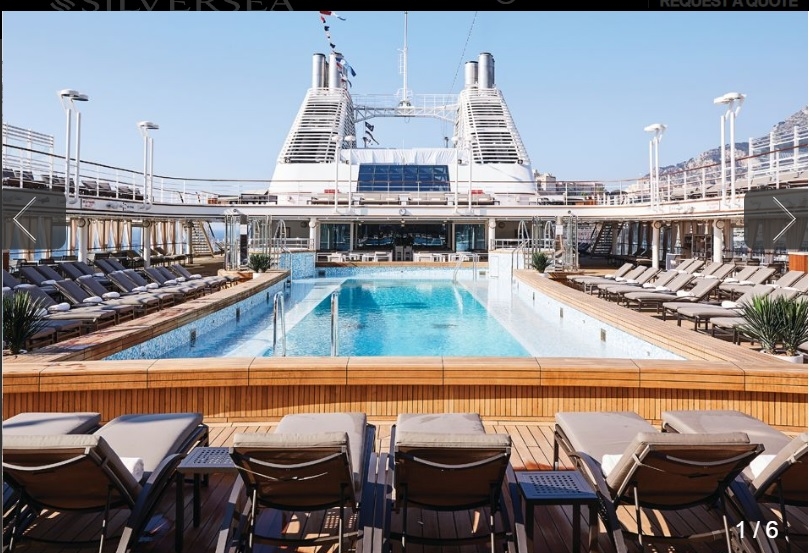
Swimming Pool
Whirlpool
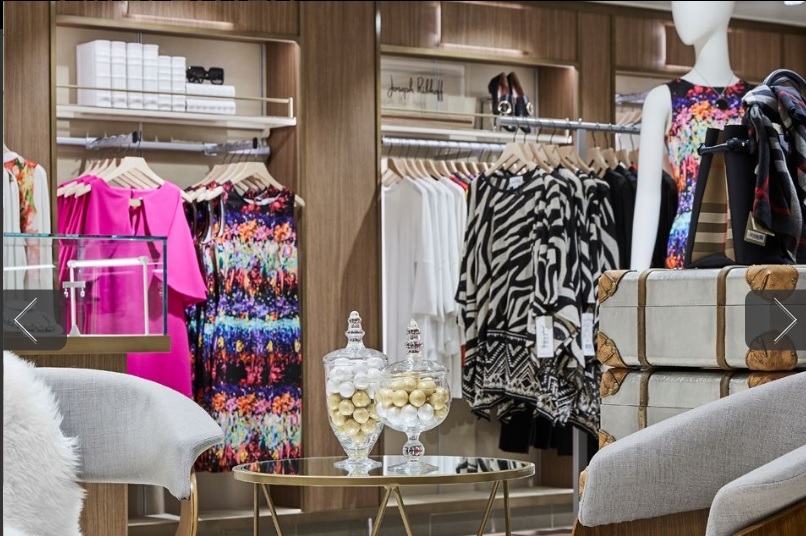
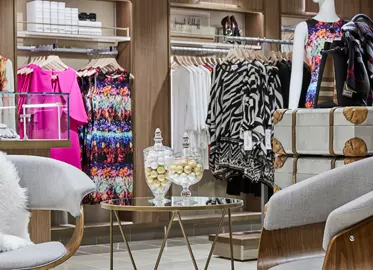
Boutique
Conference Room
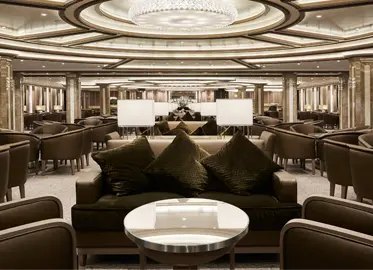
Observation Lounge
Reception
Bar
Grill
La Terrazza
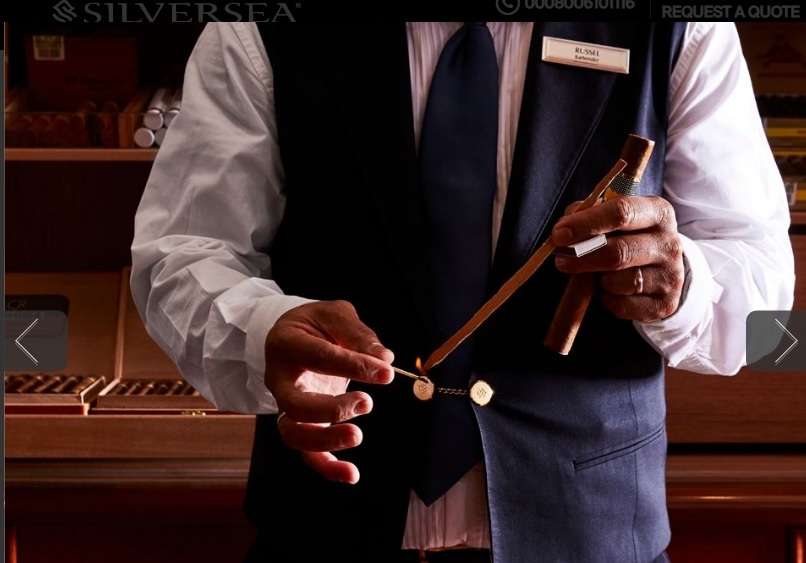
Connoisseur Club
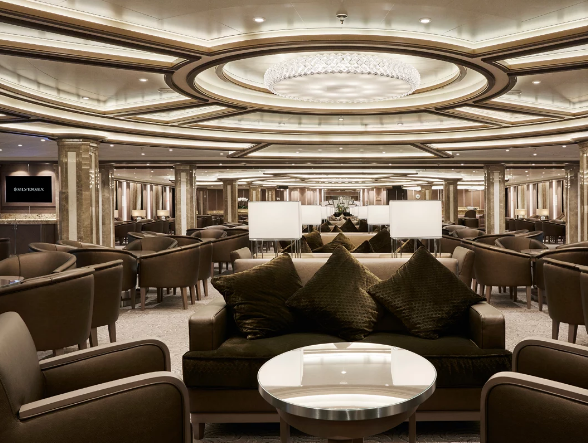
Panorama Lounge
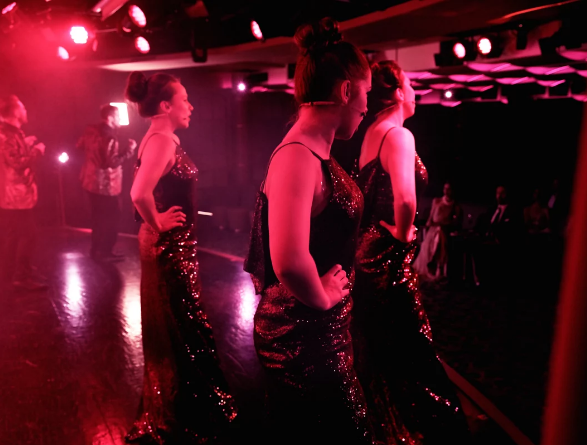
Theatre
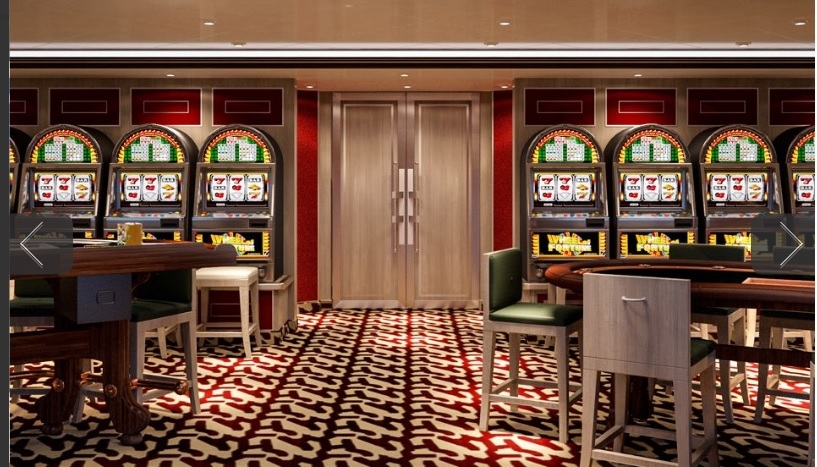
Card Room
Childrens Play Room
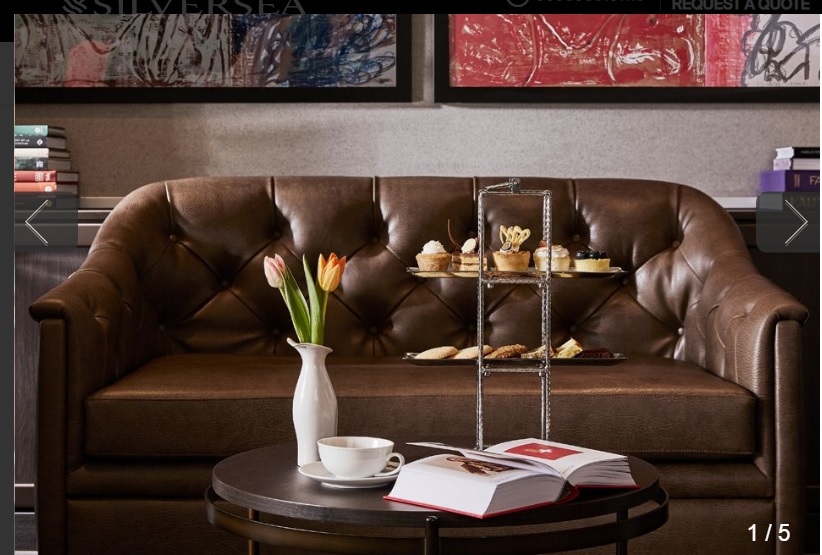
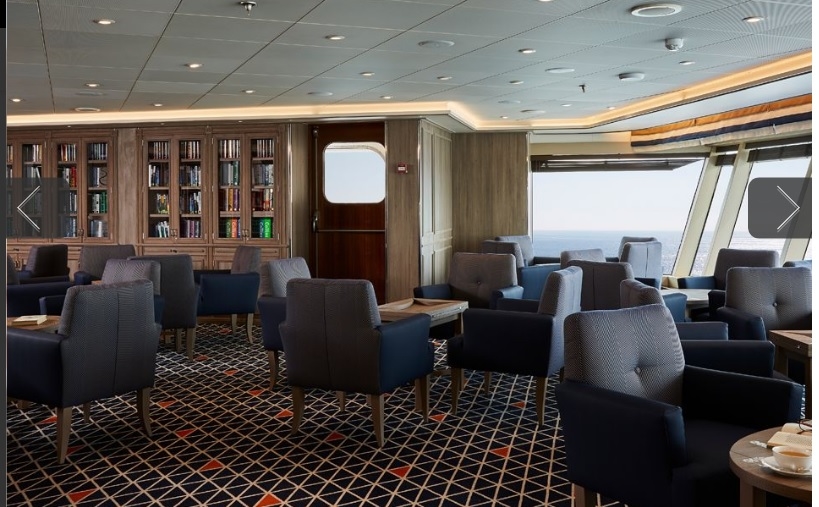
Library
Silver Muse is without question an inspirational work of art. The best place between sea and sky, eight dining venues, spacious outdoor areas and up-to-the-minute technology makes her simply divine.
Silversea Cruises is happy to present our new flagship, Silver Muse. Delivered in spring of 2017, the new ultra-luxury ship was built by Fincantieri and at 40,700 grt accommodates 596 guests. Representing an exciting evolution of Silver Spirit, Silver Muse redefines ultra-luxury ocean travel – enhancing the small-ship intimacy and spacious all-suite accommodations that are the hallmarks of the Silversea experience. The addition of Silver Muse expands Silversea’s fleet to nine ships, and once again significantly raises the bar in the ultra-luxury cruise market with a wealth of enhancements to the onboard experience, while satisfying the uncompromising requirements for comfort, service, and quality of the world’s most discerning travellers.
Fitness Center
Jogging Track
Beauty Salon
Spa
Swimming Pool
Whirlpool
Boutique
Conference Room
Observation Lounge
Reception
Bar
Grill
La Terrazza
Connoisseur Club
Panorama Lounge
Theatre
Card Room
Childrens Play Room
Library
Enter your details below