Enter your details below

Departing on 2 May 2027 from Barcelona aboard the Silver Ray - Cruise No: 2278475

The infinite variety of street life, the nooks and crannies of the medieval Barri Gòtic, the ceramic tile and stained glass of Art Nouveau facades, the art and music, the throb of street life, the food (ah, the food!)—one way or another, Barcelona will find a way to get your full attention. The capital of Catalonia is a banquet for the senses, with its beguiling mix of ancient and modern architecture, tempting cafés and markets, and sun-drenched Mediterranean beaches.
A stroll along La Rambla and through waterfront Barceloneta, as well as a tour of Gaudí’s majestic Sagrada Famíliaand his other unique creations, are part of a visit to Spain’s second-largest city. Modern art museums and chic shops call for attention, too. Barcelona’s vibe stays lively well into the night, when you can linger over regional wine and cuisine at buzzing tapas bars.
Built around a sheltered bay, with 1,700-foot Mount Faron as an impressive backdrop, Toulon is an important naval port and a city of industry and manufacturing. Its large harbor serves as the base for the French navy’s Mediterranean fleet and as the home to a sizeable marina, with yachts and pleasure boats adding bright splashes of color.
Toulon was the site where Napoleon Bonaparte first made a name for himself in 1793 during a siege in which the English, who had taken over Toulon, were expelled.
During World War II, the bulk of the French fleet anchored off Toulon was scuttled by French crews to prevent its acquisition by occupying German forces. The city was liberated in 1944 by French troops.
A maze of pedestrian streets constitutes the heart of old Toulon. Shops and colorful stalls make it an attractive area to explore. Avenue de la République runs parallel to the waterfront. At the western edge of the quay is the Naval Museum featuring an excellent collection of old and new ship models, figureheads, paintings and other items related to Toulon’s maritime history.
The town’s attractions can be seen in a fairly short time. Most visitors come here to explore the hinterland and other parts of the Riviera.
On the crossroads of mighty cultures, this Murcian port has endless ancient stories to share. A valuable natural harbour attracted many civilisations to this sun-bathed, southeasterly setting – following its foundation by the Carthaginians in 227 BC. Blending the imprints left by countless cultures on this global junction, the presence of everyone from the Vandals to the Phoenicians and Moors can be felt as you explore, walking between ruins and celebrated modernist architecture along Calle Mayor. Cartagena is crowned by the soaring Castillo de la Concepcion – rise to the stout castle aboard a panoramic lift. Inside, look through reams of archaeological treasures, or admire the rolling views down over the port and across the waters. Watch out for the electric blue peacocks who strut flamboyantly. Cartagena’s emergence as a visitor destination coincided with a stunning discovery in 1988 – the bowl of a gloriously preserved Roman Theatre. Enter to sit among the grandiose ancient venue, so evocative, you can’t help but imagine the historic performances that have graced its stage. Wander the breezy waterfront, looking across the narrow strait towards Africa’s distant haze, and spotting gleaming warships. Cartagena’s perfect harbour means it has been one of Spain’s oldest strategic navy positions since the 16th century. Settle to enjoy the joys of tapas in lively bars – sampling crisped paella, squid and honeyed-aubergine. Easter’s Semana Santa festivities are typically lively here, as hooded processions, lavish floats and sombre fiery displays roll through the streets.
The bustling resort of Alicante serves not only as the port for Madrid, but is also one of the loveliest vacation spots along Spain’s sunny Costa Blanca. The latter is primarily due to the pleasant climate.
Valencia is Spain’s third largest city and capital of the region. It was originally founded by the Romans on the banks of the river Turia in 138 BC. In 711 AD the Moors arrived and converted the area into a rich agricultural and industrial center, establishing ceramics, paper, silk and leather industries. Muslim rule was briefly interrupted in 1094 by the legendary Castillian knight, El Cid. Valencia boomed in the 15th and 16th centuries, becoming one of the strongest Mediterranean trading centers.
Valencia is a vibrant, friendly and chaotic city that boasts an outstanding fine arts museum and one of the most exciting nightlife scenes in Spain. The city center is about 3 miles inland from the coast. Plaza del Ayuntamiento marks the center of Valencia. Surrounded by flower stalls, it is also home to the town hall and the main post office. The cathedral was begun in the 13th century and finished in 1482. It has many architectural styles, including Gothic, Baroque and Romanesque. The octagonal bell-tower, called Miguelete, is one of the city’s landmarks. The small cathedral museum boasts a tabernacle made from 550 pounds of gold, silver, platinum, emeralds and sapphires. It also purports to be the home of the Holy Grail, the cup used by Christ at the Last Supper.
West of the cathedral is the oldest part of the city, known as El Carme. Situated across the river in the Jardines del Real is the Museo de Bellas Artes, the Fine Arts Museum. Works include those by El Greco, Goya and Velázquez.
A mystical island of rustic beauty, featuring long stretches of sandy beaches, hidden coves and sunsets that ladle flourishes of reds and pinks across the skies. The White Isle is so much more than just its thudding summer party scene – and an island of culture, fine dining and sophisticated elegance awaits. Ibiza has always called out to those seeking escape and sanctuary, and you’ll soon feel the island’s magic as you dive with dolphins, dine on calamari and octopus platters, and revel in Ibiza’s rejuvenating, artistic ambience. View less
Ibiza Town’s 16th-century old town is a maze of wide cobbled streets, lined with a crowd of outdoor bars and energetic restaurants serving up heavy platters of fresh seafood. The steep walls of the rustic citadel, Dalt Vila fortress, tower over the town and the area is peppered with museums and historical quirks, as well as the crowning Catedral de Eivissa. Wind up along pathways of uneven cobbles for unrivalled views out over the city and waves below. Play golf on peaceful courses, which unspool along the coastline, lounge on a beach or sail with the yachting crowd on the calm waves, as you rejuvenate in Ibiza’s heavenly glow. Beaches are long and sandy – choose between humming options where water sports and casual beach volleyball matches take place, or seek out quieter scenic coves to enjoy the shade of pine trees and swim in shallow waters. You may find that you’re mysteriously drawn to the 400-metre-high protrusion of Es Vedra – a rocky, uninhabited island, which rears from the waves opposite Cala d’Hort beach. Island whispers proclaim it to be the earth’s third magnetic point, and home to the sirens of Ancient Greece.
The Balearics are comprised of 16 islands; the three principal ones are Mallorca, Ibiza and Minorca. Carthaginians, Romans, Vandals and Arabs have invaded these islands over the centuries. Ruins show evidence of the prehistoric Talayot civilization, a megalithic culture that flourished here between 1500 BC and the Roman conquest. Today the islands are besieged by invaders of a different sort – hordes of tourists.
Lying 60 miles (97 km) off the Spanish mainland, the islands’ lush and rugged landscape combined with an extremely mild, sunny climate proves irresistible, especially to northern Europeans. As a result, the Balearics boast cosmopolitan resorts with lively nightlife and plenty of sports activities.
Mallorca (also spelled Majorca) is the largest of the islands, with an area of more than 1,400 square miles (3626 sq.km). The scenery is magnificent, with cliffs along indented shorelines jutting out of the sea and mountain ranges sheltering the plains from harsh sea breezes. The fertile plain in the centre is covered with almond and fig trees plus olive groves with some trees more than 1,000 years old. Tall pines, junipers and oaks line the mountain slopes.
Palma de Mallorca is the capital of the archipelago. A cosmopolitan city with sophisticated shops and restaurants, it also offers buildings of spectacular Moorish and Gothic architecture.
In the western part of Mallorca, nestled into the mountains, lies the village of Valldemosa. It is known for its Carthusian Monastery where Frédéric Chopin and George Sand spent the winter of 1838-39.
Nothing if not strategic, Alcúdia is the ideal base for exploring Mallorcas north coast, with the 13-km-long (8-mile-long) beach from Port dAlcúdia to Can Picafort and the adjacent Playa de Muro, the bird-watchers paradise in the SAlbufera wetlands, and the spectacular drive along the corniche to Cap de Formentor. The charming little walled town itself is a capsule version of Mallorcan history: the first city here was a Roman settlement, in 123 BC.
The infinite variety of street life, the nooks and crannies of the medieval Barri Gòtic, the ceramic tile and stained glass of Art Nouveau facades, the art and music, the throb of street life, the food (ah, the food!)—one way or another, Barcelona will find a way to get your full attention. The capital of Catalonia is a banquet for the senses, with its beguiling mix of ancient and modern architecture, tempting cafés and markets, and sun-drenched Mediterranean beaches.
A stroll along La Rambla and through waterfront Barceloneta, as well as a tour of Gaudí’s majestic Sagrada Famíliaand his other unique creations, are part of a visit to Spain’s second-largest city. Modern art museums and chic shops call for attention, too. Barcelona’s vibe stays lively well into the night, when you can linger over regional wine and cuisine at buzzing tapas bars.
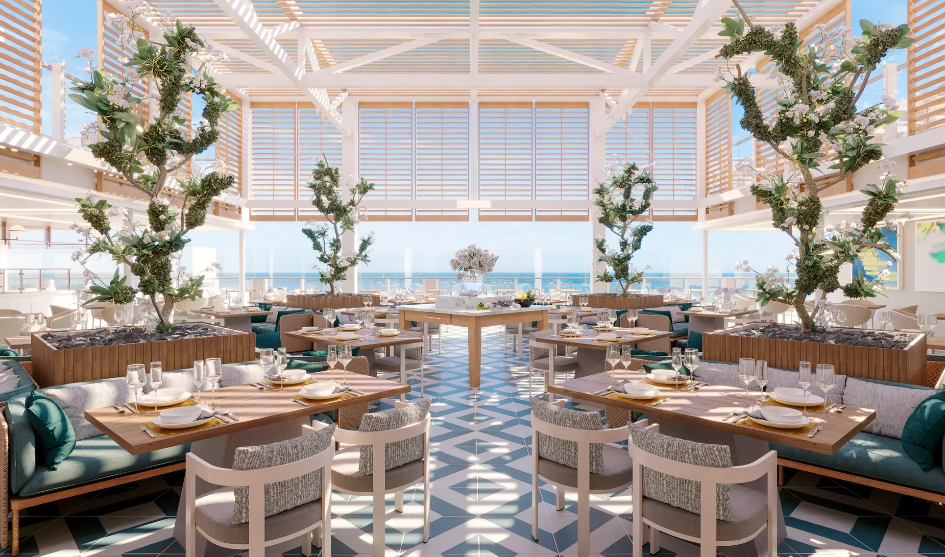
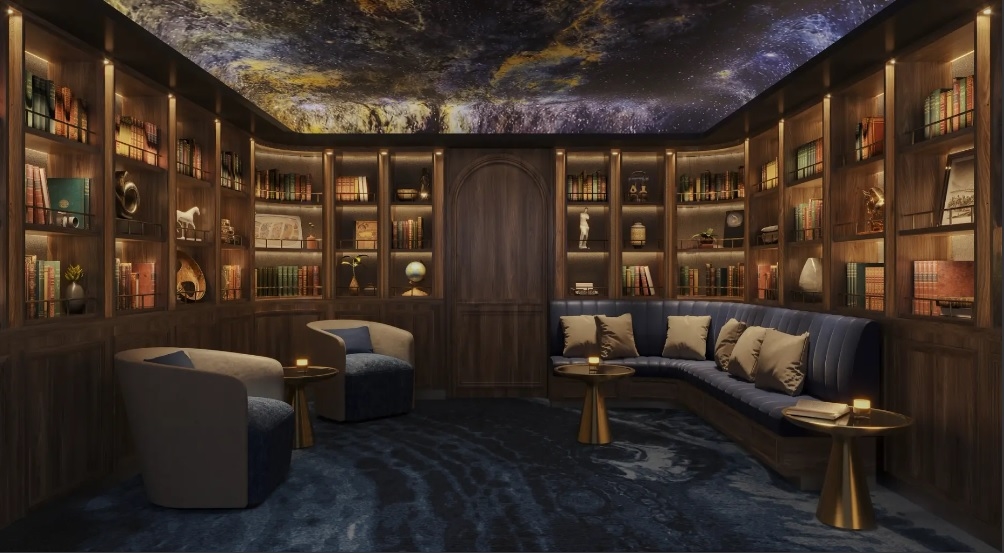
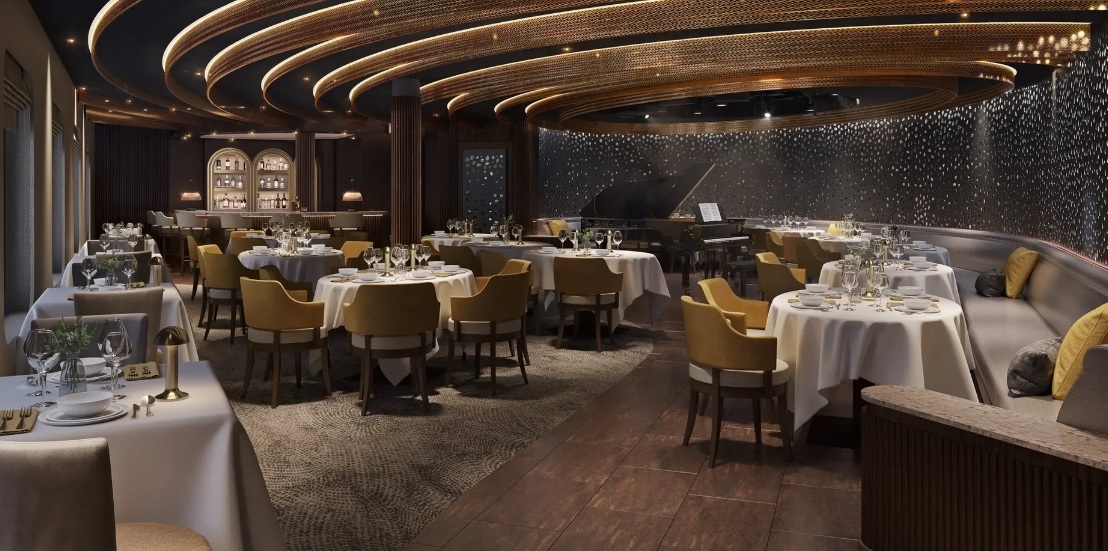
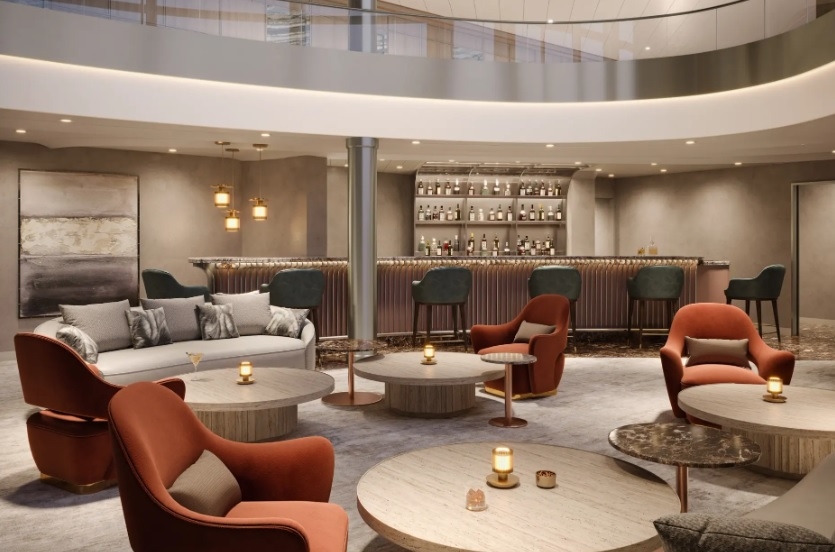
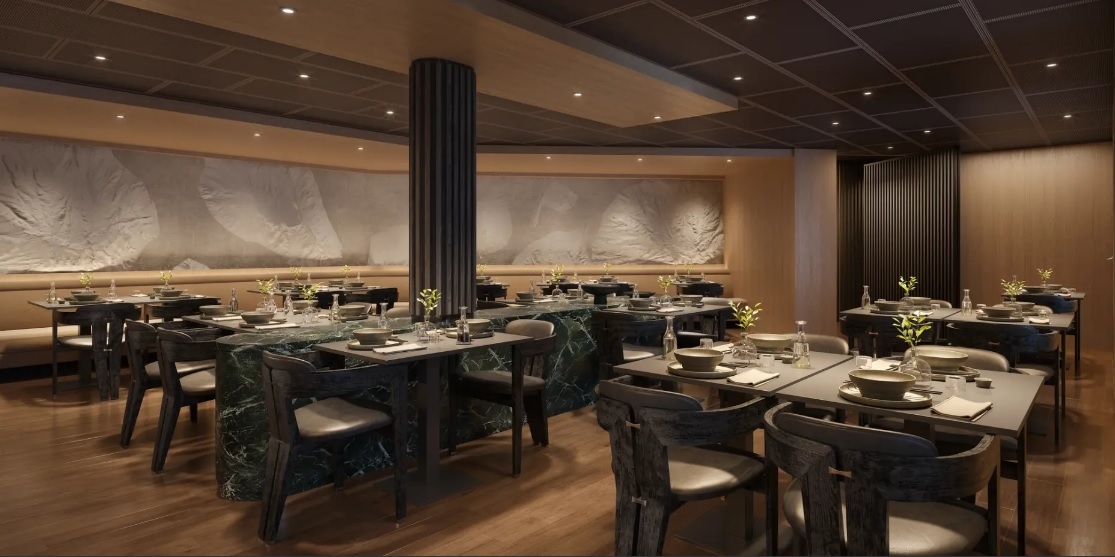
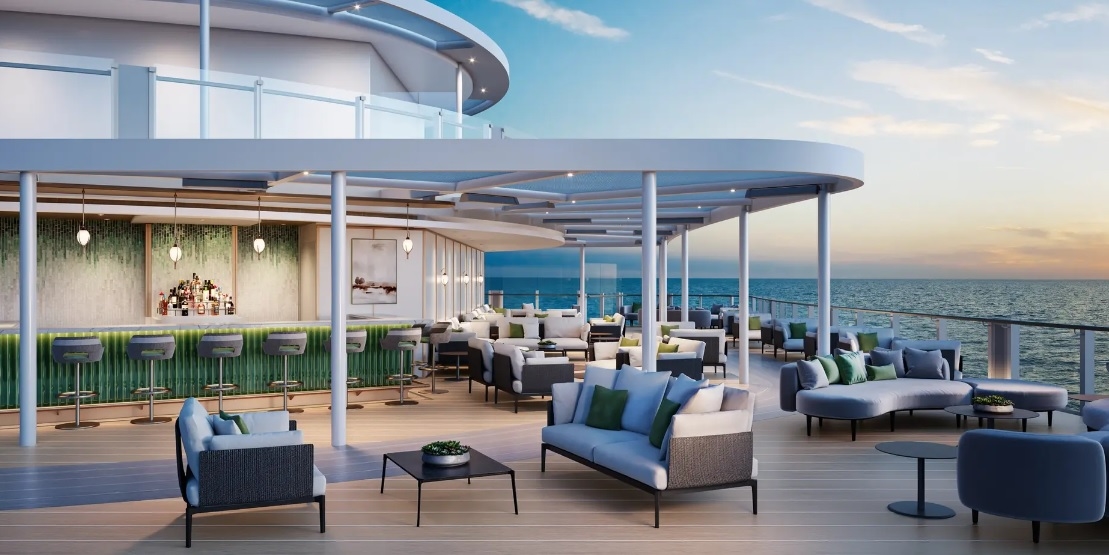
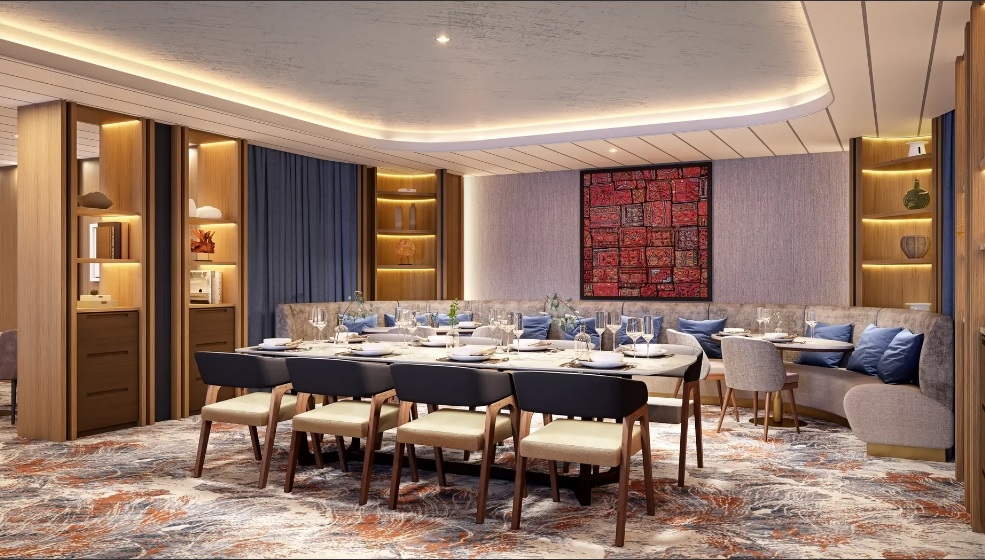
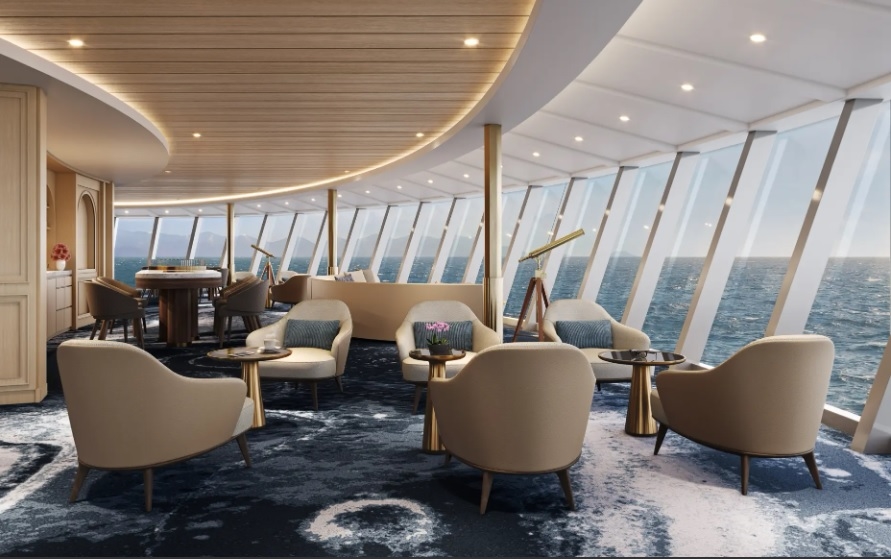
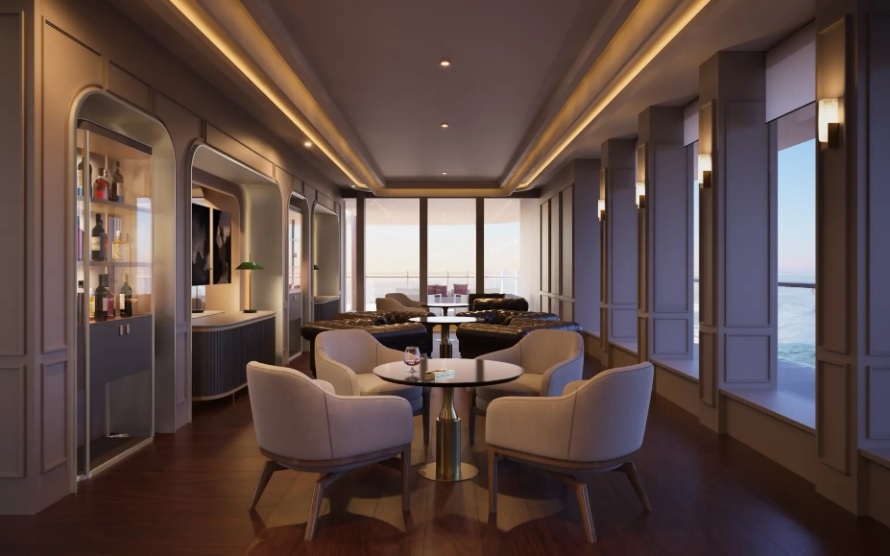
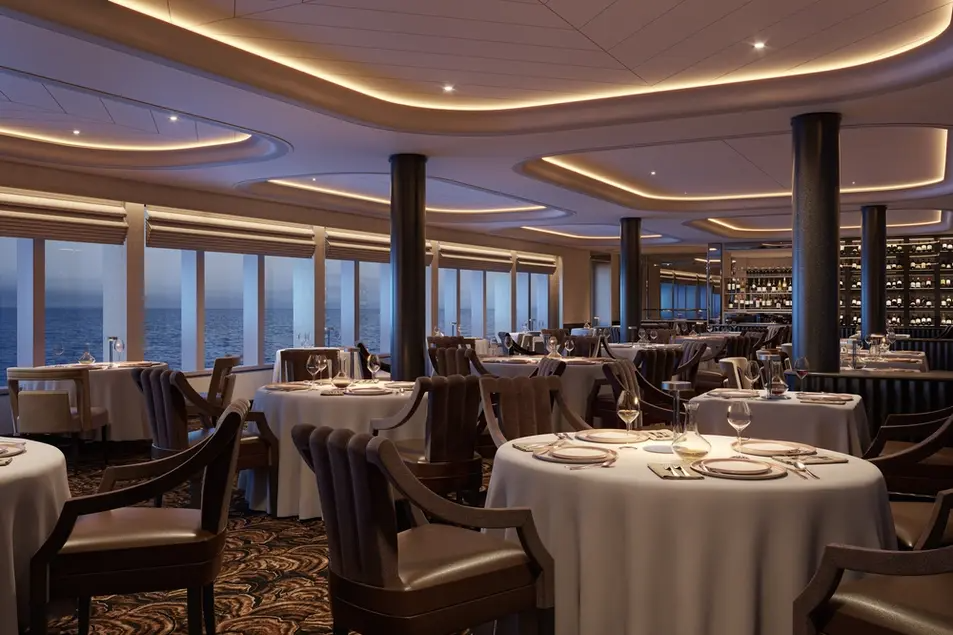
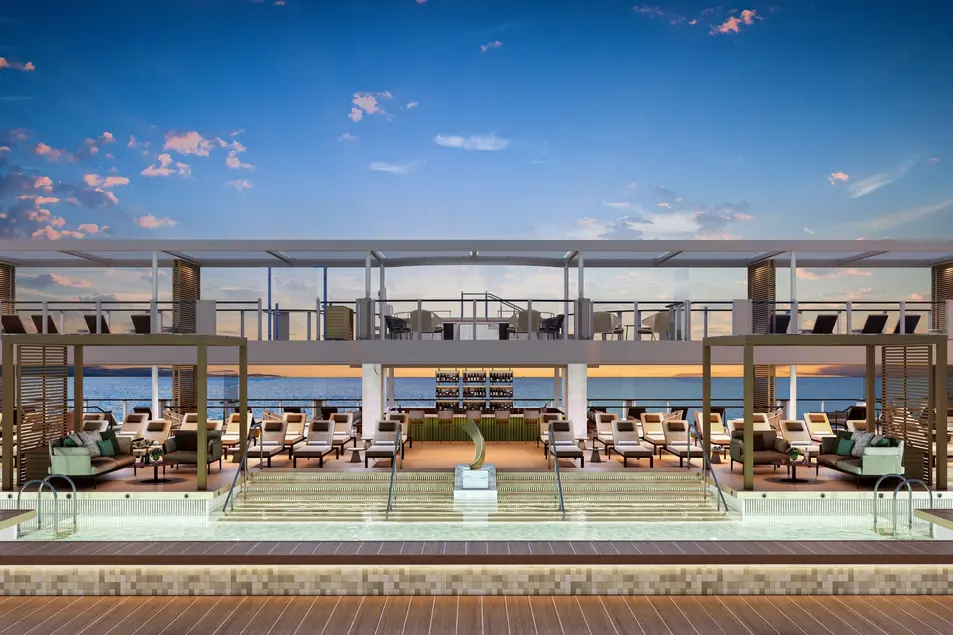
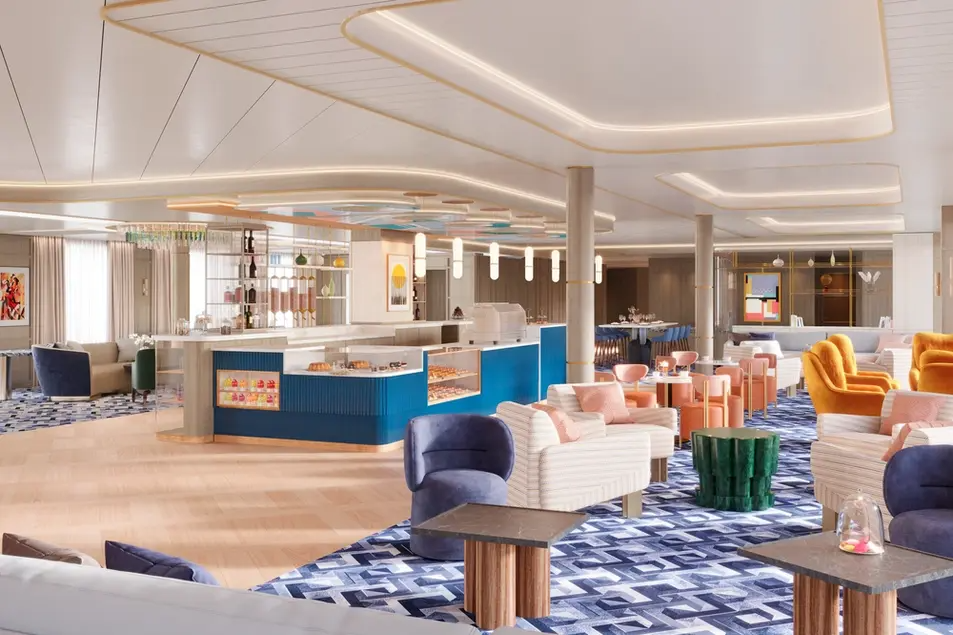
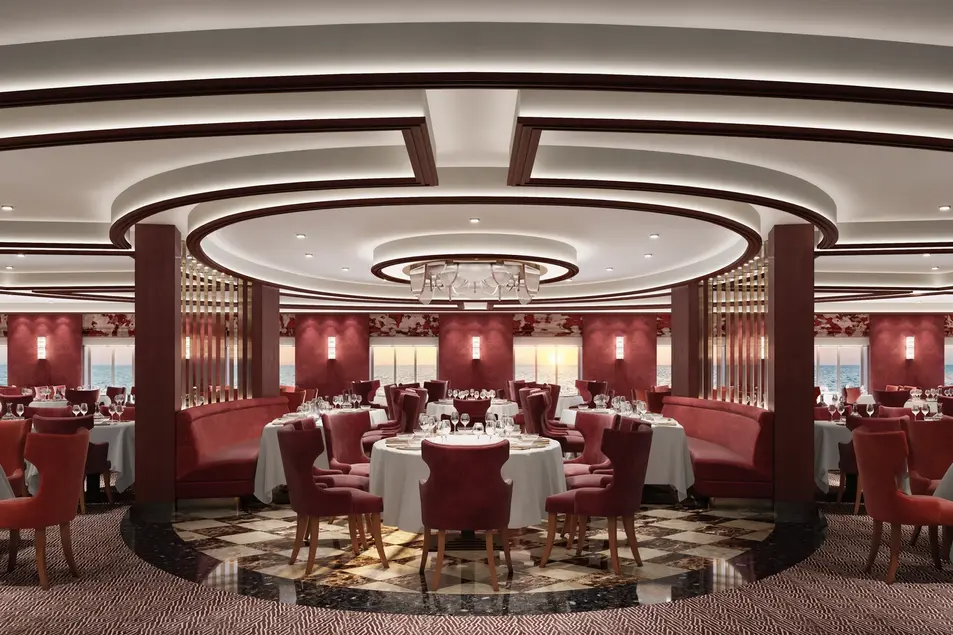
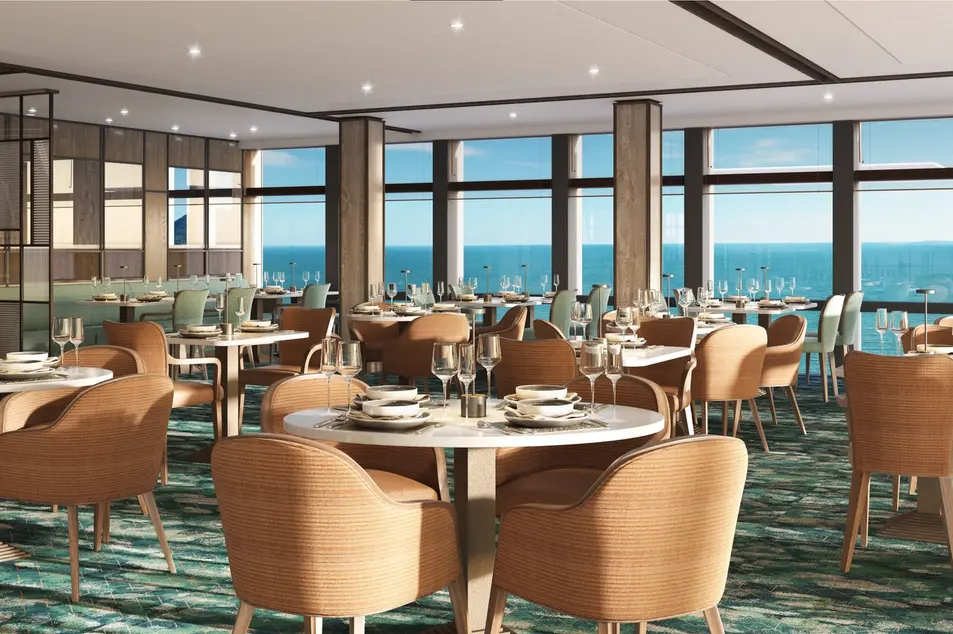
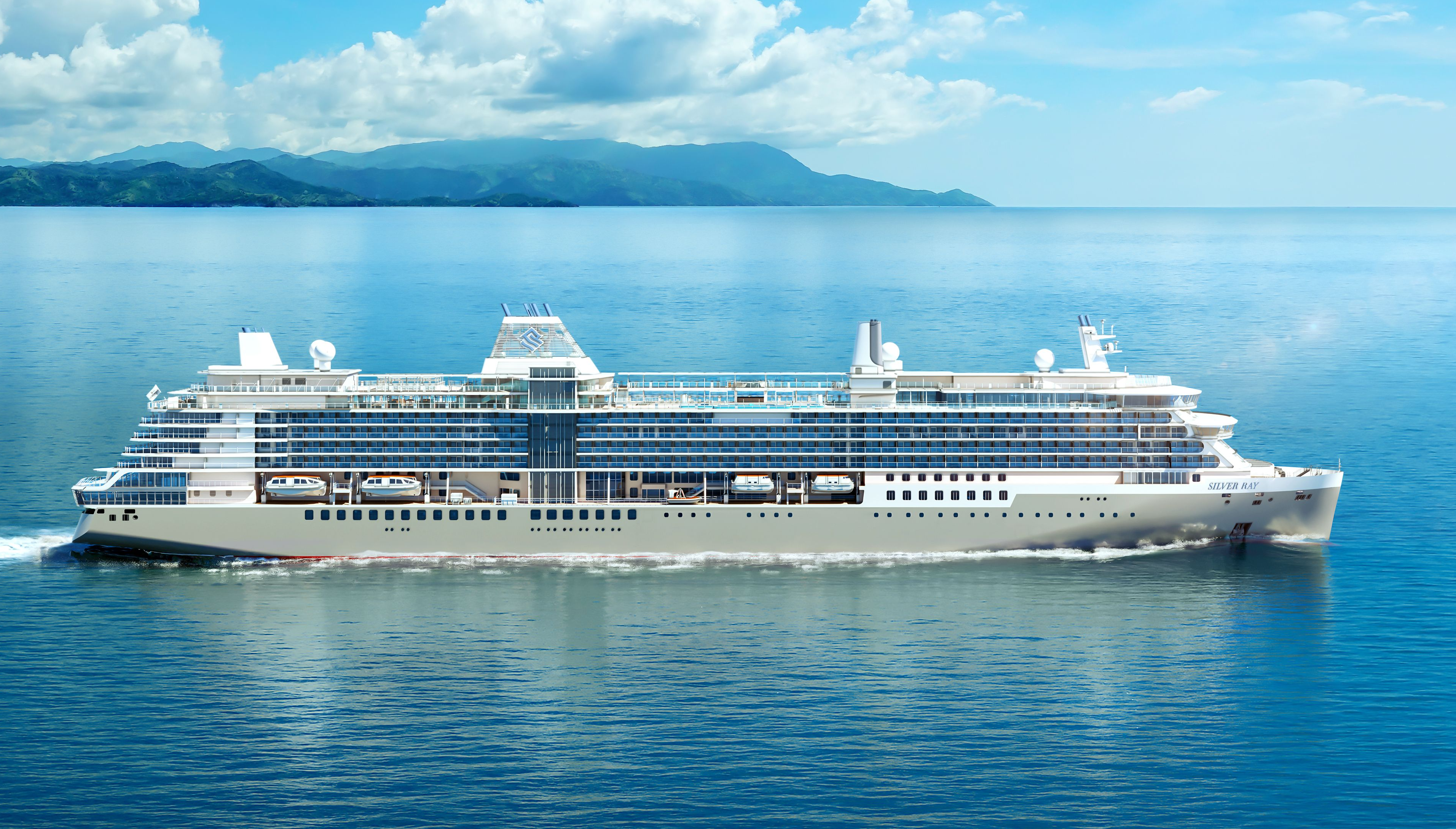
Portraying a dynamic and immediate connection with nature, where the touch of light inspires purity and movement, Silversea’s second Nova Class ship will be named Silver Ray. The pioneering luxury vessel inherits the revolutionary aspects of sister ship Silver Nova – notably the innovative asymmetrical design offering uninterrupted views from every vantage point through an extraordinary use of glass in both public spaces and in suite. At 54,700 gross tons and hosting just 728 guests, she will be among the most spacious ships ever built with a space to guest ratio of 75 GRT-per-passenger. Silver Ray… progressive and gazing at the future.
Enter your details below