
Enter your details below

Departing on 7 Jun 2027 from Incheon (Seoul) aboard the Silver Muse - Cruise No: 2278445

The bright lights of neighbouring big city Seoul might burn brightly but Incheon, just 27 kilometres away, has nothing to be ashamed of. The coastal city was the first to open its borders to the world in 1883, and as such has always enjoyed a special relationship with the west. So much so that it was granted “English Status” in 2007, with many residents priding themselves on their command of the language. View less
The city’s love of English has made it a business powerhouse so expect soaring skyscrapers and smart technology as part of the landscape. Incheon was also the first to welcome the Chinese and today the city’s Chinatown is one of the most vibrant and welcoming there is. A frenetic and exciting hybrid of Chinese and Korean heritage, it is said that Jjajangmyeon (black soy bean noodles), South Korea’s de facto national dish originates from here. Try a steaming bowl from one of the many vendors, then walk it off with the short 15-minute stroll from Chinatown to the traditional Sinpo Market for different kind of sensational feast. The city is steeped in history, notably in recent times during the Korean War. In 1950, the US general General MacArthur led UN forces behind enemy lines in freeing the city from North Korean pressure. MacArthur’s victory is commemorated by a statue in the Jaya (Freedom) Park. The city’s history of course goes back much further, with the first historical record dating as far back as 475 CE. At the time the city was called Michuhol, only changing its name to Incheon in 1413.
Strategically located where the Yangtze River, Grand Canal and Pacific Ocean meet, Shanghai has served as a major commercial port since the Song Dynasty (10th century). From here, the regions substantial cotton crop was shipped to Beijing and more remote regions in China and Japan. By the Qing Dynasty, vast mercantile guilds, organized by trade, had established economic and a considerable amount of political control of the city. In the 1840s Shanghai was described by a representative of the British East India Company as “the principal emporium of Eastern Asia.” Not surprisingly, after the Opium Wars the British moved in under the Treaty of Nanking, followed by the French, and set up the first foreign concessions in the city.
Strategically located where the Yangtze River, Grand Canal and Pacific Ocean meet, Shanghai has served as a major commercial port since the Song Dynasty (10th century). From here, the regions substantial cotton crop was shipped to Beijing and more remote regions in China and Japan. By the Qing Dynasty, vast mercantile guilds, organized by trade, had established economic and a considerable amount of political control of the city. In the 1840s Shanghai was described by a representative of the British East India Company as “the principal emporium of Eastern Asia.” Not surprisingly, after the Opium Wars the British moved in under the Treaty of Nanking, followed by the French, and set up the first foreign concessions in the city.
Strategically located where the Yangtze River, Grand Canal and Pacific Ocean meet, Shanghai has served as a major commercial port since the Song Dynasty (10th century). From here, the regions substantial cotton crop was shipped to Beijing and more remote regions in China and Japan. By the Qing Dynasty, vast mercantile guilds, organized by trade, had established economic and a considerable amount of political control of the city. In the 1840s Shanghai was described by a representative of the British East India Company as “the principal emporium of Eastern Asia.” Not surprisingly, after the Opium Wars the British moved in under the Treaty of Nanking, followed by the French, and set up the first foreign concessions in the city.
Jeju province encompasses the South Korean island of Jeju in the Korea Strait. It’s known for its beach resorts and volcanic landscape of craters and cavelike lava tubes. Hallasan Mountain, a dormant volcano, features hiking trails, a crater lake at the 1,950m summit and nearby Gwaneumsa Temple. The Geomunoreum Lava Tube System includes 7km-long Manjanggul Cave, created centuries ago when Hallasan was still active
“A tapestry of kaleidoscopic colours, intense seafood flavours, and urban beach bliss, Busan rolls across a glorious natural setting on the Korean Peninsula’s south-east. One of the largest and busiest ports in the world, 3.5 million people call South Korea’s second city home, and the amiable locals help to lend the city its quirky, offbeat outlook. A spacious, playful and cosmopolitan place, Busan is a lively, liveable city, cradled by lush mountains and endless ocean scenery.
Haedong Yonggung Temple nestles on a dramatic cliffside, just above the crumbling rocks and crashing waves of the East Sea. Dating back to 1376, the temple’s multi-storey pagoda is adorned with lions – each representing a different emotion. Elsewhere, lanterns glitter in the night sky around Mount Geumjeongsan, freshly released from the beautiful Beomeosa Temple, which was established in AD 678. The hillside shantytown of Gamcheon Culture Village has completed an improbable transformation, blossoming from a sea of makeshift homes for Korean war refugees, into a colourful explosion of creativity and curiosity. Local artists have been let loose to create interactive installations, and the entire area is now an expansive canvas for expression. Lose yourself among vibrant alleyways of flamingo-pink, lemon-yellow and baby-blue painted facades in this unique area. Sample bibimbap, fiery-hot beef and rice, from street food vendors, before relaxing on one of South Korea’s best beaches – Haeundae’s banana bend of sand. Metallic skyscrapers offer an unusual backdrop to this pristine expanse of golden powder and are mirrored by elaborate sandcastles and sculptures during the annual sand festival – when spontaneous water fights and firework displays also take place. Gwangalli beach is another urban option, laying out spectacular views of the reaching Gwangan Bridge – the country’s second largest bridge. At night, 16,000 bulbs bathe this engineering marvel in colour.”
Boasting Japan’s heady cocktail of hot springs, gourmet food, abundant nature and spiritual history, Kyushu Island has all the advantages of the mainland, while enjoying its own identity. The island is the third largest of Japan’s five island provinces and prides itself on having everything you could expect from the Land of the Rising Sun. The capital of the island, Fukuoka, is Japan in a bite sized morsel.
As one of the country’s most strategic ports – it is closer to Seoul than Tokyo – the city has enjoyed a somewhat prestigious status over the years, including two unsuccessful Mongol invasion attempts in the 13th century. Some scholars suggest that the city is also the first place the Imperial Family set foot, although actual proof of this is scarce. What is certain however is that it was once the home of the samurai, with many samurai related spots found all over the city. A trip to the Kyushu National Museum will allow budding actors to try on traditional costumes and channel their inner feudal lord, while local shrines, tranquil Zen gardens and castle ruins all offer a chance to relive the city’s glory days. The city itself is made up of two smaller towns (Fukuoka and Hakata), and despite unification in 1889, Hakata is still considered the centre. A 2018 survey ranked the city number 22 on “the world’s most liveable cities” list, due to its excellent shopping, outstanding food, excellent transport links, good museums, “feeling of openeness”, green spaces and friendly, safe, environment.
History buffs will want to write home Hiroshima. Despite being devastated in 1945, this Japanese city is known to all for its commitment peace – its ruin on the 6th August 1945 led to the end of the war and today, the Peace Memorial (a UNESCO World Heritage Site) , is a constant reminder of the destruction that war brings. A walk in the leafy boulevards of Peace Memorial Park brings quiet contemplation. View less
The Flames of Peace – set in the park’s central feature pond – burn brightly and will continue to do so until all the nuclear bombs I the world have been destroyed. There are many other inspiring messages of hope around the city too; the Children’s’ Peace Monument just north of the park is a homage to little Sadako Sasaki, who was just two in 1945. When she developed leukemia in 1956, she believed that if she folded 1,000 paper cranes – a symbol of longevity and happiness in Japan – she would recover. Sadly she died before she finished her task but her classmates finished the rest. If you are lucky enough to visit during the unpredictable and short-lived Sakura (cherry blossom) season, then the extraordinary sight of the delicate pink blossom floating across the water to the red gate, means you can consider yourself one of the luckiest people on the planet.
Japan’s third-biggest city has thrown off its shackles and stepped out of the shadows to light up the sky with glaring neon signs and a larger than life outlook. Giant octopuses cling to buildings and bustling restaurants pack in the crowds in this great and garish place, which is Japan at its most friendly, extroverted and flavourful. So dive in headfirst to experience an all-out sensory assault of delicious food, shopping cathedrals and glittering temples. View less
Dotombori Bridge bathes in the multicoloured, jewel-like lights of signage-plastered buildings, and the neon lights dance on the canal’s waters below. Osaka is known as the nation’s kitchen, and the Kuromon Ichiba Market has served as the city’s spot to tuck in for almost 200 years. Full of street food stalls – try pufferfish, savoury Okonomiyaki pancakes, or ginger and onion flavoured octopus, among the endless feast of exotic flavours. Osaka Castle is another of the city’s landmarks, built in the 16th century by Toyotomi Hideyoshi. A modern museum now waits inside, where you can learn about the country’s history, and why this castle is a symbol of Japanese unity. Be sure to take the elevator up to the observation deck for a panoramic view of Osaka’s spread. A colourful park encloses the castle and blooms with an ocean of pale pink cherry blossom during the season – the elegant black tiers rising from the pink haze below is one of Osaka’s most alluring visions. Kyoto’s peaceful cultural treasures and temples are also just a short jaunt away on Japan’s sleek trains, should you wish to explore further afield.
Japan’s third-biggest city has thrown off its shackles and stepped out of the shadows to light up the sky with glaring neon signs and a larger than life outlook. Giant octopuses cling to buildings and bustling restaurants pack in the crowds in this great and garish place, which is Japan at its most friendly, extroverted and flavourful. So dive in headfirst to experience an all-out sensory assault of delicious food, shopping cathedrals and glittering temples. View less
Dotombori Bridge bathes in the multicoloured, jewel-like lights of signage-plastered buildings, and the neon lights dance on the canal’s waters below. Osaka is known as the nation’s kitchen, and the Kuromon Ichiba Market has served as the city’s spot to tuck in for almost 200 years. Full of street food stalls – try pufferfish, savoury Okonomiyaki pancakes, or ginger and onion flavoured octopus, among the endless feast of exotic flavours. Osaka Castle is another of the city’s landmarks, built in the 16th century by Toyotomi Hideyoshi. A modern museum now waits inside, where you can learn about the country’s history, and why this castle is a symbol of Japanese unity. Be sure to take the elevator up to the observation deck for a panoramic view of Osaka’s spread. A colourful park encloses the castle and blooms with an ocean of pale pink cherry blossom during the season – the elegant black tiers rising from the pink haze below is one of Osaka’s most alluring visions. Kyoto’s peaceful cultural treasures and temples are also just a short jaunt away on Japan’s sleek trains, should you wish to explore further afield.
Dense and delightful, there’s nowhere else like Japan’s kinetic capital – a city where ancient traditions blend seamlessly with a relentless pursuit for the future’s sharpest edge. See the city from above, as elevators rocket you up to towering viewing platforms, from which you can survey a vast urban ocean, interspersed with sky-scraping needles. Look out as far as the distant loom of Mount Fuji’s cone on clear days. View less
Futuristic – second-accurate – transport seamlessly links Tokyo’s 14 districts, while the glow of flashing advertisement boards, clanks of arcade machines, and waves of humanity flowing along its streets, adds to the sense of mesmerising, dizzying and glorious sensory overload. One of Tokyo’s most iconic sights, don’t miss the flood of people scrambling to cross Shibuya’s famous intersection. Join the choreographed dance, as crowds of briefcase-carrying commuters are given the green light to cross at the same time – bathed in the light of massive neon advertisements. The culture is immensely rich and deep, with 7th-century, lantern-decorated temples, stunning palaces and tranquil scarlet shrines waiting below cloaks of incense and nestling between soaring skyscrapers. Restaurants serve up precisely prepared sushi, and wafer-thin seafood slivers, offering a unique taste of the country’s refined cuisine. Settle into traditional teahouses, to witness intricate ceremonies, or join the locals as they fill out karaoke bars to sing the night away. In the spring, cherry blossom paints a delicate pink sheen over the city’s innumerable parks and gardens.
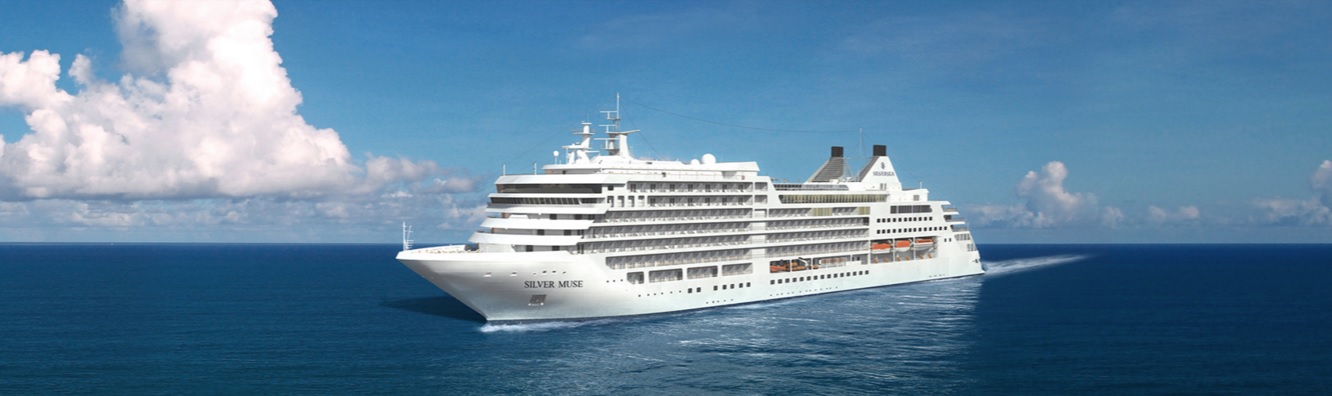
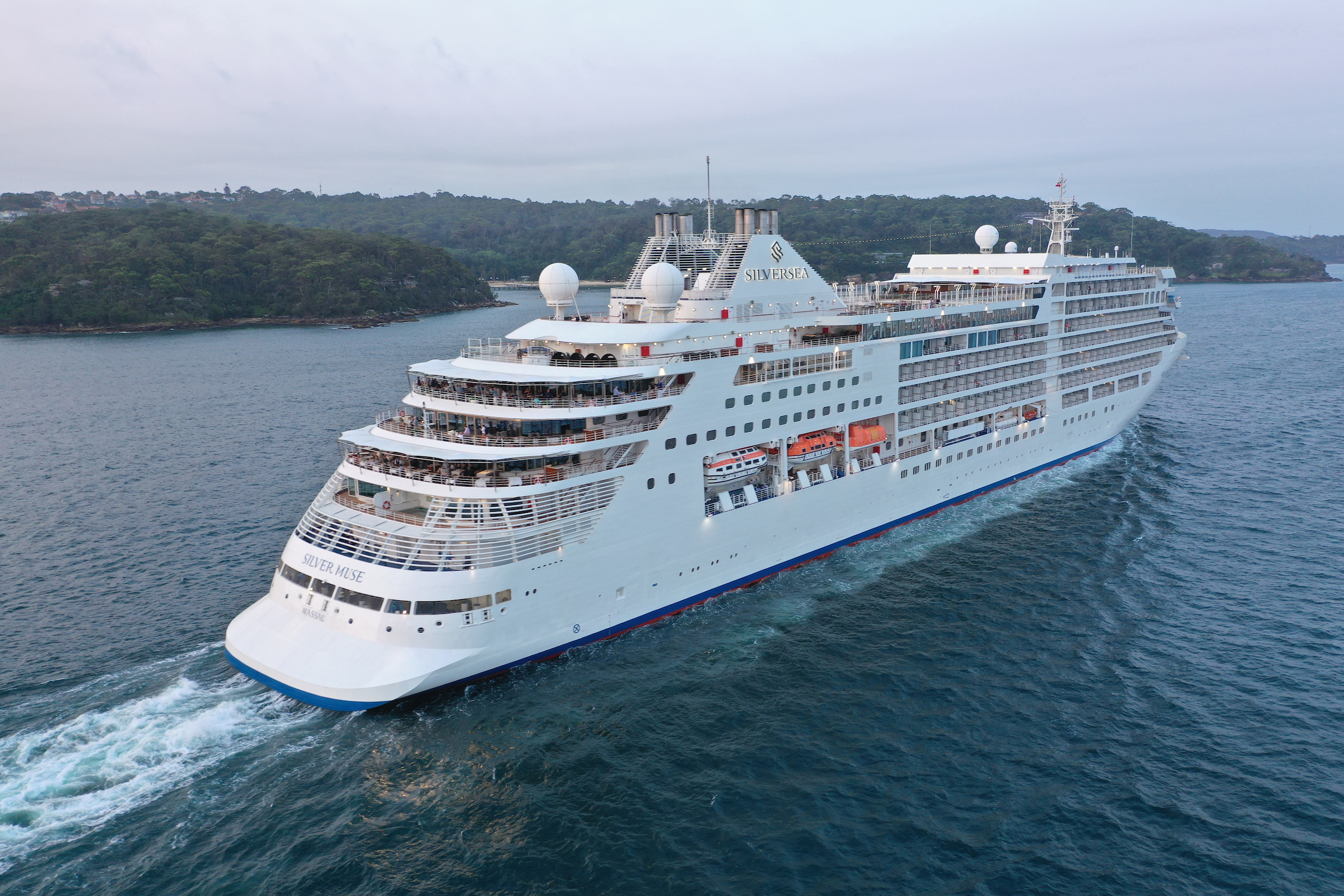
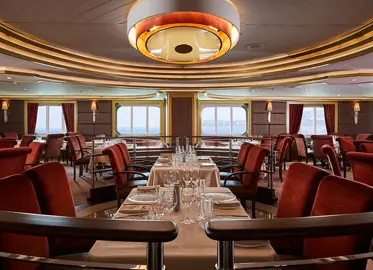
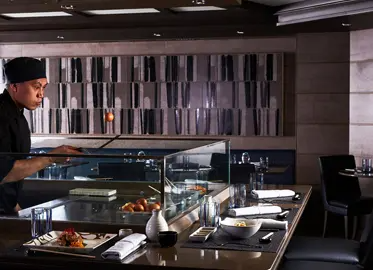
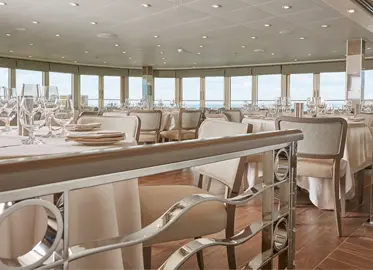
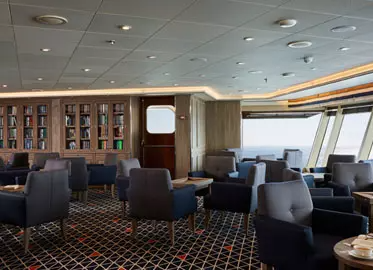
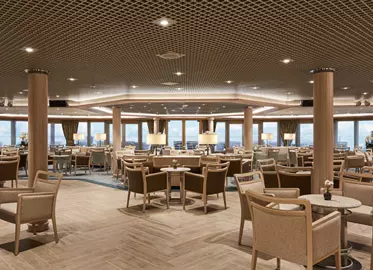
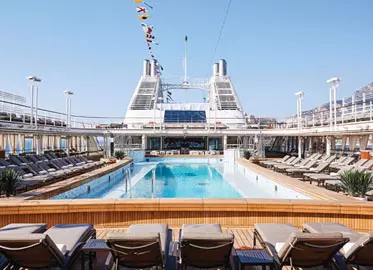
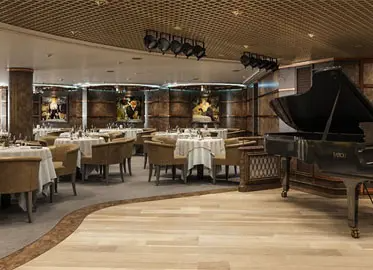
Silver Muse is without question an inspirational work of art. The best place between sea and sky, eight dining venues, spacious outdoor areas and up-to-the-minute technology makes her simply divine.
Silversea Cruises is happy to present our new flagship, Silver Muse. Delivered in spring of 2017, the new ultra-luxury ship was built by Fincantieri and at 40,700 grt accommodates 596 guests. Representing an exciting evolution of Silver Spirit, Silver Muse redefines ultra-luxury ocean travel – enhancing the small-ship intimacy and spacious all-suite accommodations that are the hallmarks of the Silversea experience. The addition of Silver Muse expands Silversea’s fleet to nine ships, and once again significantly raises the bar in the ultra-luxury cruise market with a wealth of enhancements to the onboard experience, while satisfying the uncompromising requirements for comfort, service, and quality of the world’s most discerning travellers.
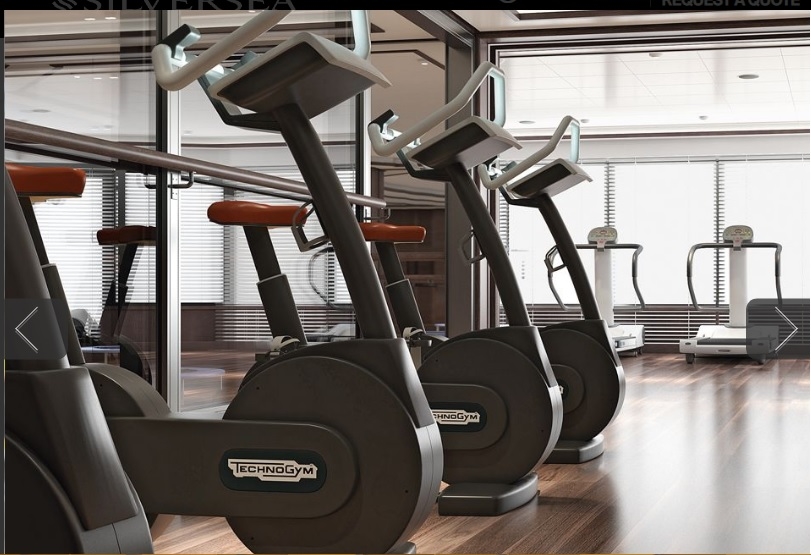
Fitness Center
Jogging Track
Beauty Salon
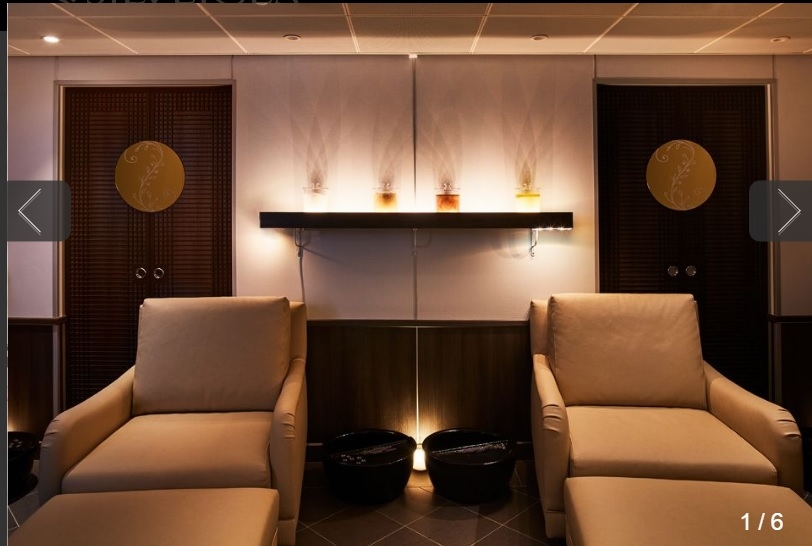
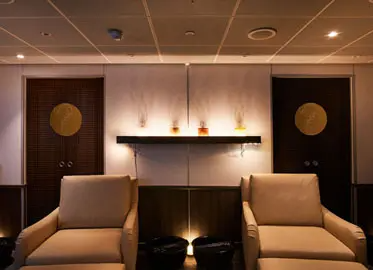
Spa
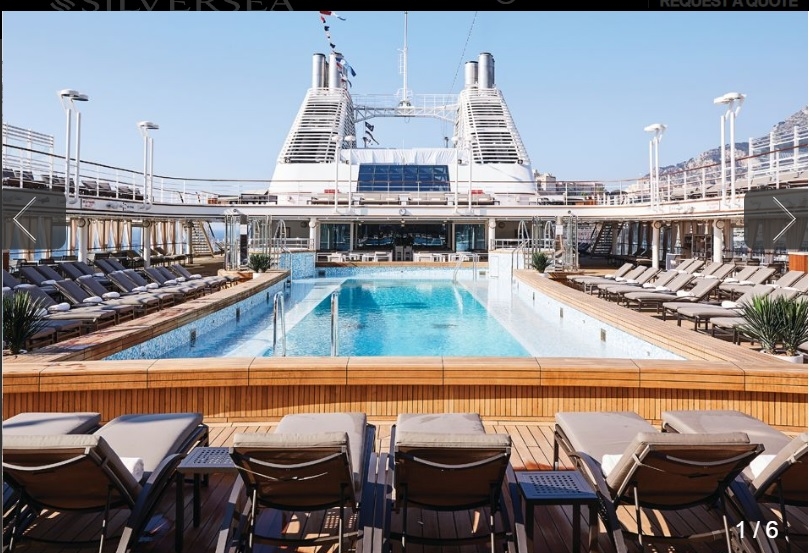
Swimming Pool
Whirlpool
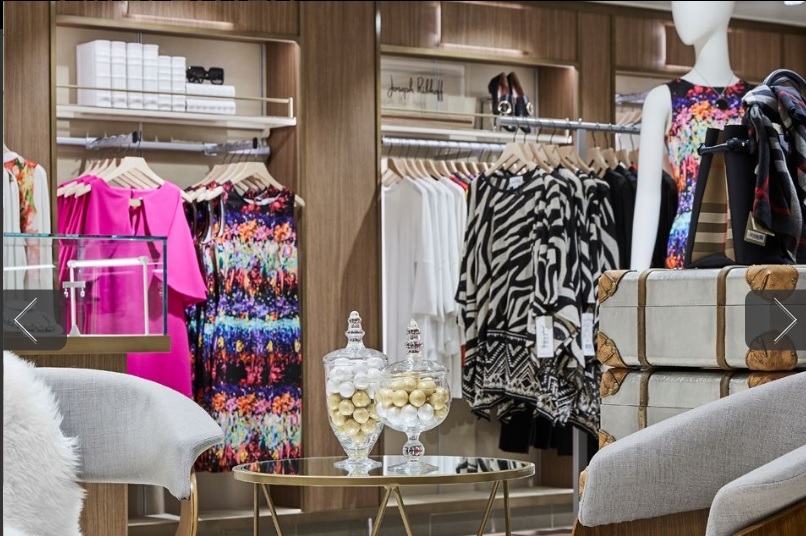
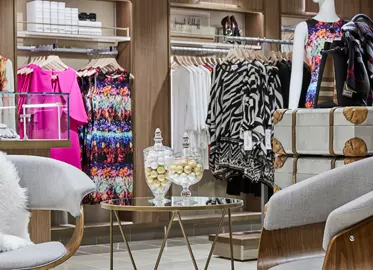
Boutique
Conference Room
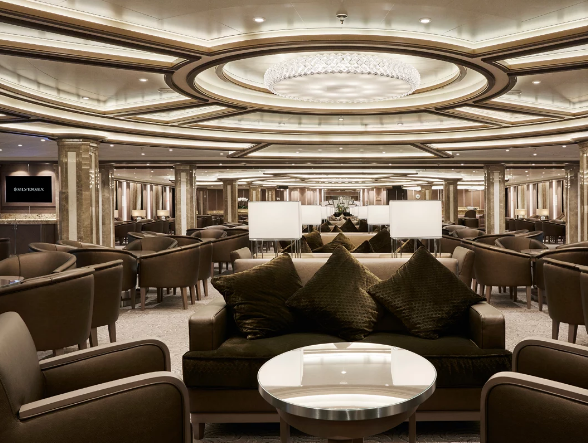
Observation Lounge
Reception
Bar
Grill
La Terrazza
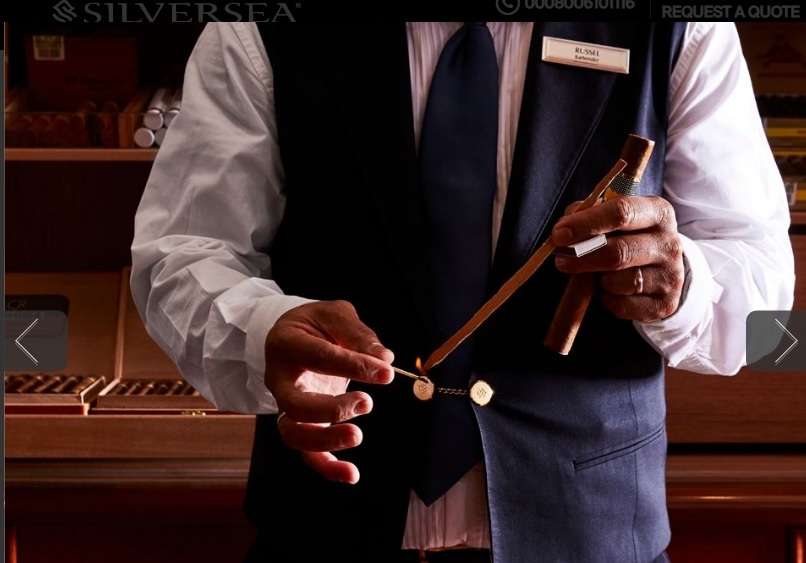
Connoisseur Club
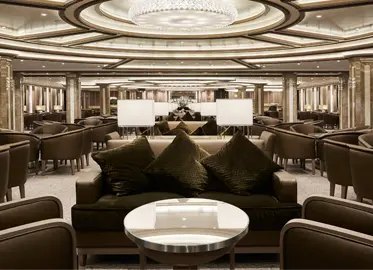
Panorama Lounge
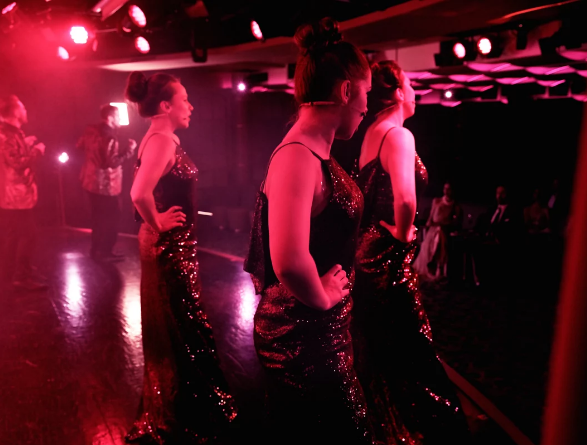
Theatre
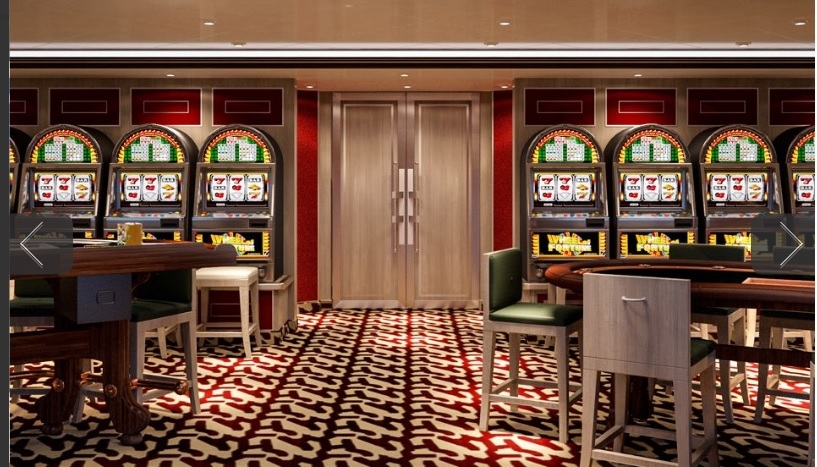
Card Room
Childrens Play Room
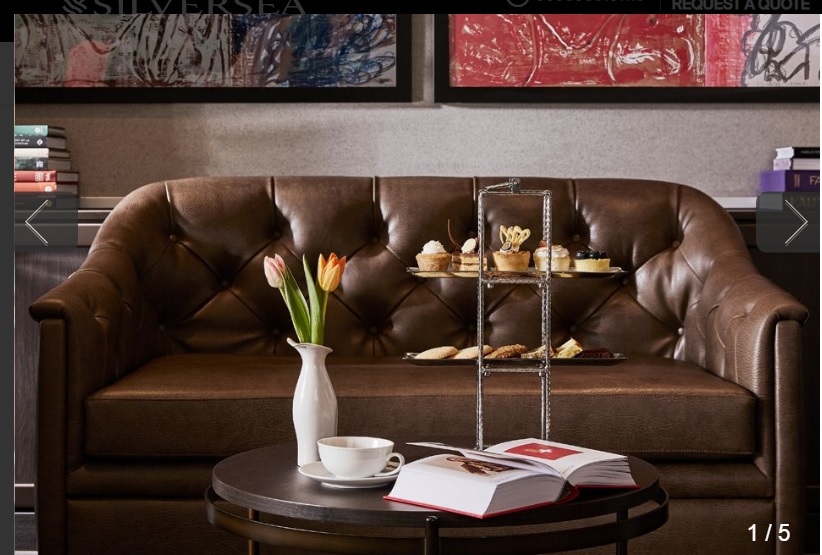
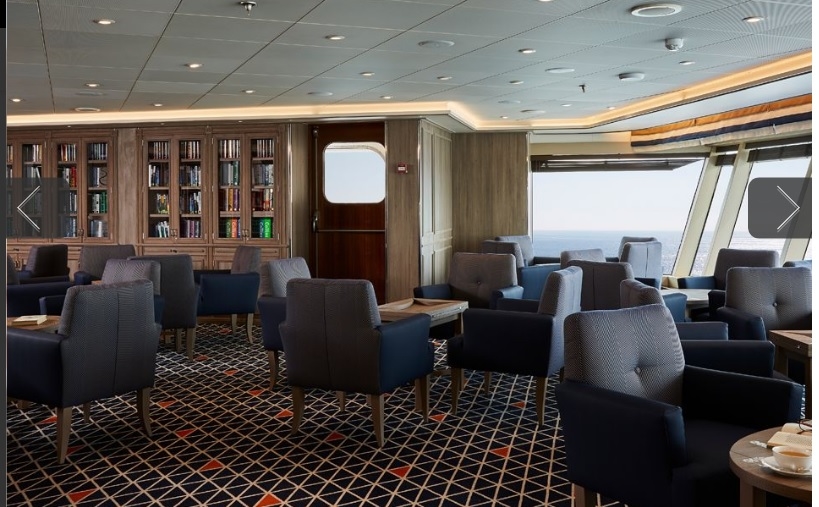
Library
Silver Muse is without question an inspirational work of art. The best place between sea and sky, eight dining venues, spacious outdoor areas and up-to-the-minute technology makes her simply divine.
Silversea Cruises is happy to present our new flagship, Silver Muse. Delivered in spring of 2017, the new ultra-luxury ship was built by Fincantieri and at 40,700 grt accommodates 596 guests. Representing an exciting evolution of Silver Spirit, Silver Muse redefines ultra-luxury ocean travel – enhancing the small-ship intimacy and spacious all-suite accommodations that are the hallmarks of the Silversea experience. The addition of Silver Muse expands Silversea’s fleet to nine ships, and once again significantly raises the bar in the ultra-luxury cruise market with a wealth of enhancements to the onboard experience, while satisfying the uncompromising requirements for comfort, service, and quality of the world’s most discerning travellers.
Fitness Center
Jogging Track
Beauty Salon
Spa
Swimming Pool
Whirlpool
Boutique
Conference Room
Observation Lounge
Reception
Bar
Grill
La Terrazza
Connoisseur Club
Panorama Lounge
Theatre
Card Room
Childrens Play Room
Library
Enter your details below