Enter your details below

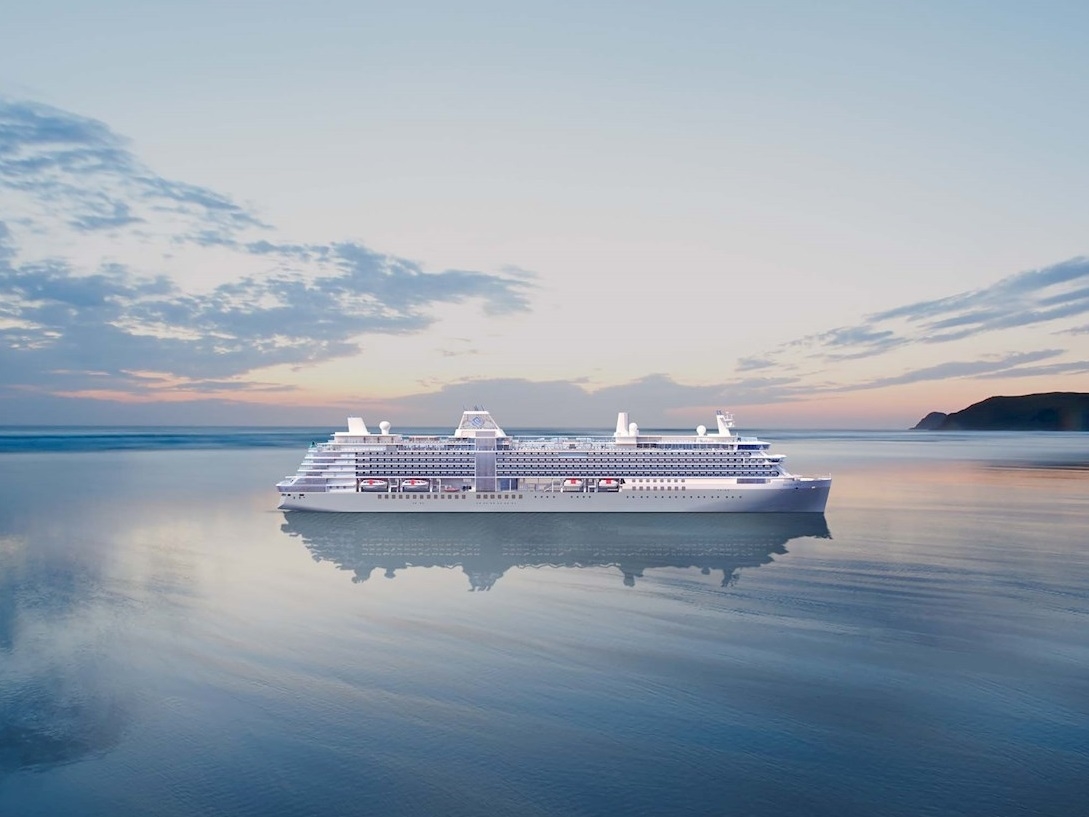
Departing on 26 Sep 2027 from Athens (Piraeus) aboard the Silver Nova - Cruise No: 2278426

A city of legend, civilisation and enduring culture, Athens is a majestic and magical urban sprawl. Extraordinary elegance and grace combine with grit and graft in Greece’s capital, where highways encase ruins from antiquity, and gleaming museums and galleries stand beside concrete sprayed with edgy street art. These contrasts enhance and elevate the wonders of this 2,500-year-old city, however, which can count notable contributions to philosophy, drama and democracy, among its global legacy. Piraeus’ giant port and naval base welcome you to the edge of the Athens’ urban area.
From there it’s a simple jaunt to the centre. The majestic ancient citadel of the Acropolis dominates an elevated platform and is a constant presence as you explore the city. The wonderful remains of the columned temple of the Parthenon – which date back to the 5th century BC – stand here, representing the pinnacle of classical architecture. The nearby Acropolis Museum adds context to your visit and frames the broad views from its giant glass windows. Or rise up Mount Lycabettus, to be rewarded with perhaps Athens’ best panorama of the Acropolis sitting high over the city on its grand stage. See the marble horseshoe of the Old Olympic Stadium, where the first modern Olympics were held in 1896, for more of the city’s enduring legacy. Elsewhere, golden beaches and temples stretch out along the coastline, should you wish to explore a little further afield. Coffee is an art form to the Greeks, and it’s an unwritten rule that coffee time must never be rushed. So prepare to settle down for a couple of hours and lose yourself in a good chat. Feeling hungry – try traditional souvlaki made with sauces handed from generation to generation.
The island of Mykonos is the most easterly of the northern Cyclades. Its attractive setting and other captivating attributes make it one of the most celebrated holiday destinations in Greece. Mykonos Town is a colorful maze of narrow streets lined by whitewashed houses with bright blue doors and shutters. During the 1960s, it was the Bohemian jet set that discovered Mykonos. Many old houses along the waterfront are now restaurants, bars and discos, catering to an international yachting crowd. The tiny town of cube-shaped houses extends in a semicircle around the picturesque bay. As an attractive backdrop, the famous windmills are lined up like toy soldiers on the hillside, vestiges of a time when wind power was used to grind the island’s grain.
Çeşme is a Turkish resort town west of Izmir, on the Aegean Sea. Overlooking the harbor is Çeşme Castle, a restored military fortress. It now houses the Çeşme Archaeology Museum, with displays of marble busts, metal coins and artifacts from nearby excavations. On the east side of the Çeşme peninsula is sandy Ilica Beach, with warm thermal sulfur springs. Around Çeşme are clear waters and accessible dive sites
Spread out between two crescent bays, Bodrum exudes an “artsy” ambiance. With its gleaming white houses and colorful flower gardens it is one of the prettiest resorts on the South Aegean coast. Recently, it has become very popular with the jet set crowd, while at the same time maintaining an intimate air; there are strict zoning laws preventing over development. Bodrum’s main draws are pristine beaches, a busy yachting center and historic sites – a great combination to attract those sailing the Aegean Sea.
Bodrum was known in antiquity as the site of Halicarnassus, a city whose origin dates back as far as 1000 BC. It was known for its splendid mausoleum, an enormous white marble tomb that King Mausolus had planned for himself. It was one of the Seven Wonders of the Ancient World. Although the structure was obliterated by the ravages of time, archaeologists have arranged models and drawings at the site to provide an idea of what the mausoleum looked like. Bodrum was also the birthplace of Herodotus, who wrote the first comprehensive world history. Today’s major cultural attraction is the massive Castle of St. Peter.
Located only seven miles from the Turkish coast, Rhodes is one of Greece’s favored vacation centers. In ancient times, the entrance to its harbor featured a celebrated landmark, the Colossus of Rhodes. The 105-foot statue rose from a 35-foot stone base and was considered one of the Seven Wonders of the Ancient World. Rhodes was an important cultural center with a well-known School of Rhetoric attended by such historical figures as Cicero and Caesar. From a school for sculptors came the famous Laocoon group, which is now in the Vatican Museum. Rhodes’ most famous attractions originated with the Knights of St. John, who occupied parts of the island from 1308 to 1522. As their legacy they left a medieval town, dominated by the Palace of the Grand Masters and the Knights’ Hospital. The Old Town is encircled by one of the best-preserved walls in Europe. In addition to buildings that showcase the legacy of the Knights of St. John, there are plenty of shops and dining opportunities throughout the Old Town.
Egypt’s main port and second largest city after Cairo was built between 332-331 BC at the order of Alexander the Great. Immortalizing his name, the city quickly flourished into a prominent cultural, political and economical metropolis, home to the famous Bibliotheca Alexandrina. It was the renowned capital of the Ptolemies and the site of the Pharos Lighthouse, one of the Seven Wonders of the Ancient World.
Of all the Cyclades Islands, Santorini is often considered the most dramatic. Once an active volcano, in approximately 1620 BC, the volcano erupted with such force that the center of the island literally exploded, leaving a submerged crater. The island’s small villages were preserved in the ashes giving a fascinating view of everyday life from 3,600 years ago.
Santorini’s landscape offsets its simple buildings, which shine in the brilliant sunlight. The rich volcanic soil is ideal for grapes and the local vines produce a crop known for its “special volcanic taste.”
It may not be the prettiest place in Crete, but Heraklion’s patchwork of history, bustling activity and cultural intrigue makes it the perfect change of pace. This is certainly no sleepy island fishing village, and Greece’s fifth-largest city is adorned with a rich collection of quality museums, ancient ruins from antiquity, and a lively culture of its own. View less
A refreshing shift-up from the many quaint beach towns and fishing villages you’ll encounter in the Greek islands, Heraklion – also known as Iraklio – has great shopping, extraordinary history and is the ideal base for ventures to the archaeological treasures of Crete. Traded by the Arabic, Venetian and Ottoman empires over the years, Heraklion is a multi-layered place with fascinating tales to tell. The city’s impressive Venetian fortress, which waits over the gently rolling waves of the gleaming Mediterranean, welcomes you ashore. A stroll out along the seawall, alongside creaking fishing boats, will take you out to the squat fortifications that have stood since 1540. Climb to the top for views out across the water, back towards the city’s waterfront. The sun-roasted earth outside the city hides treasures from the realms of history, including the Bronze Age remnants of Europe’s oldest city, Knossos. A visit to the fantastic Archaeological Museum of Heraklion ties all of this history together and exhibits relics from the civilisations and eras of Crete’s past. Elsewhere, Daidalou’s pedestrianised paving is a charming stroll through Heraklion’s shops, with streets branching off to café-lined plazas and twinkling fountains. Stop to try local food – like fresh feta and olive sprinkled dakos mezze – all washed down with a sample of local raki brandy.
The former capital of Greece is a popular town on the eastern coast of the Peloponnese. Stately, medieval architecture recalls its Venetian occupation in the 15th century. The most dominant structure from this time is the crenellated Palamidi Fortress towering high above the town.
The lively port and resort town spreads around a scenic harbor. Its center is crisscrossed by narrow streets, which are best negotiated on foot. Several monuments remain from the towns’ Turkish past, including a mosque and the parliament building. Relics from ancient sites are on display in the Archaeological Museum. Those who are interested in handicrafts and traditional costumes may enjoy a visit to the Folk Art Museum.
Enjoy exploring along the waterfront and around the main square of the Old Town. Open-air cafés and restaurants invite you for a break to enjoy a light snack or a seafood lunch while taking in the local atmosphere.
A city of legend, civilisation and enduring culture, Athens is a majestic and magical urban sprawl. Extraordinary elegance and grace combine with grit and graft in Greece’s capital, where highways encase ruins from antiquity, and gleaming museums and galleries stand beside concrete sprayed with edgy street art. These contrasts enhance and elevate the wonders of this 2,500-year-old city, however, which can count notable contributions to philosophy, drama and democracy, among its global legacy. Piraeus’ giant port and naval base welcome you to the edge of the Athens’ urban area.
From there it’s a simple jaunt to the centre. The majestic ancient citadel of the Acropolis dominates an elevated platform and is a constant presence as you explore the city. The wonderful remains of the columned temple of the Parthenon – which date back to the 5th century BC – stand here, representing the pinnacle of classical architecture. The nearby Acropolis Museum adds context to your visit and frames the broad views from its giant glass windows. Or rise up Mount Lycabettus, to be rewarded with perhaps Athens’ best panorama of the Acropolis sitting high over the city on its grand stage. See the marble horseshoe of the Old Olympic Stadium, where the first modern Olympics were held in 1896, for more of the city’s enduring legacy. Elsewhere, golden beaches and temples stretch out along the coastline, should you wish to explore a little further afield. Coffee is an art form to the Greeks, and it’s an unwritten rule that coffee time must never be rushed. So prepare to settle down for a couple of hours and lose yourself in a good chat. Feeling hungry – try traditional souvlaki made with sauces handed from generation to generation.
Enter your details below