

Enter your details below

Departing on 7 Sep 2026 from Copenhagen aboard the Silver Dawn - Cruise No: 2242033

Effortlessly cool and down to earth, Copenhagen is a contemporary, clean and classy highlight of Scandinavia. A city built to be liveable, Copenhagen has refused to compromise, resulting in a forward-thinking metropolis that’s green and clean. Swim in the waters of Havnebadet Islands during summer, or shelter from winter’s bite by snuggling in beside a roaring open fire during winter. You can even hop on a train to Sweden, traversing the famous span of a Nordic Noir star – the Öresund Bridge.
It takes just a touch over half an hour to step off the train in Malmö. There’s only one way to truly explore Copenhagen and that’s on two wheels. Easy bike hire schemes will get you moving across this flat city, designed with bikes at the forefront of the mind. Choose a model with electronic assistance to take the strain out of any journey, giving you the freedom to whizz around and explore the modern angular architecture of the centre, and the pastoral colours of Nyhavn waterfront. Head out to the Little Mermaid statue, inspired by Hans Christian Andersen’s fairy tale – the strikingly-restrained statue is the perfect landmark for Copenhagen; unshowy, self-assured and utterly irresistible. The Danish concept of hygge is very much alive here, and you’ll feel that warm cosy feeling as you visit cafes illuminated by the warm glow of hanging filament bulbs, and stuffed to the brim with thick, dusty books. Home to mega-brewer Carlsberg, Copenhagen is also a city for hop enthusiasts, and there is a thriving craft brewing scene to sample. Danish Smørrebrød sandwiches are a must try, or for something a little more substantial, settle in for a culinary voyage and try a taster menu – the city’s restaurants are littered with Michelin stars.
Skagen is the northernmost town in Denmark, at the tip of Jutland on the Kattegat strait. It became a holiday resort at the end of the 19th century and a colony for artists and writers. Painters and poets were the first to see the light – literally. Particularly the Skagen Group of painters made the place famous.
Adrift between the Scottish and Norwegian coasts, the craggy Shetland Islands form the most northerly point of the British Isles. Sprawling across 100 islands, connected by sandy bridges and crisscrossing ferries, explore the highlights of this scenic archipelago outpost. With incredible Neolithic history, spanning 5,000 years of human heritage, these islands, which sit just shy of the Arctic Circle, are an isolated and immense treasure trove of history and thrilling scenery. Look out over dramatic coastline from atmospheric Iron Age towers.
Scattered just off the northern tip of Scotland, Kirkwall is the capital of the Orkney Islands – a scenic archipelago of fascinating, dual heritage. The Viking influence is deep, while a prehistoric past and World War history adds to the endless stories that these dramatic islands have to tell. Sparse and beautiful, let the sweeping seascapes of frothing waves, and dance of the northern lights, enchant you as you explore. Windswept beaches are inhabited by whooping swans, while grassy cliffs hide puffins amid their wavy embrace. View less
Sea caves and crumbling castles – and the dramatic meeting of the North Sea and the Atlantic Ocean add to the romantic beauty of these lands, which may be physically close to the UK, but feel an entire world away. The sandstone St. Magnus Cathedral is the centrepiece of Orkney’s main town – a place of winding lanes and atmospheric walks – and Britain’s northernmost cathedral is a masterpiece that took 300 years to complete. Started in 1137, the beautiful cathedral is adorned with mesmerising stain-glass windows and has been evocatively named as the Light of the North. Look down over the ruined Bishop’s and Earl’s Palaces nearby from the tip of the cathedral’s tower. Or, test out the islands’ history-rich distilleries, which produce smokey single malts – said to be the best in the world. You can also venture out to Europe’s best-preserved Stone Age Village, at the extraordinary World Heritage Site of Skara Brae, which offers an unparalleled vision into prehistoric life.
Who can say Liverpool without thinking of The Beatles? Home to the fab four, Penny Lane, Strawberry Fields and the Cavern Club, this northern English city is undoubtedly one of the most important places on the 20th-century music scene. Even UNESCO agrees – Liverpool became a City of Music (one of only 19 in the world) in 2015. So understandably, it’s bursting with pride. View less
Not only for its most famous former residents but also its football team, its maritime heritage and its thriving cultural scene (it was Capital of Culture in 2008). A huge regeneration project over the past two decades has seen Liverpool blossom from being a below-par northern English city to a somewhere buzzing with charm. The arrival of the Tate Liverpool paved the way – quickly followed by the restoration of some 2,500 plus listed buildings (that’s more than any English city outside London). The waterfront revitalisation came next with bars, clubs, galleries and independent boutiques, giving Liverpool some of the best dining and shopping there is. Don’t leave here without tasting Scouse – a traditional beef stew – and from where Liverpudlians draw their nickname “Scousers”. Culturally speaking, Liverpool is “bang on” as Scousers would say. The three Graces (named after the Greek goddesses of charm, beauty and creativity) line the waterfront and are responsible in part for Liverpool’s second UNESCO gong as a World Heritage Site. Further afield, the lovely parks and Crosby Beach offer a welcome respite from the urban hub.
Reborn as a cool, modern city, Belfast has successfully left its troubles behind, emerging as a hotbed of culture and architecture, where the comfort of a cosy pub is never far away. Take a voyage of discovery in its maritime quarter, home to a celebrated museum dedicated to the most famous ship ever built, which was constructed right here in the city’s shipyards. A walk across the Lagan Weir Footbridge brings you to Belfast’s fascinating Titanic District – an area of the city devoted to its rich ship-building heritage.
The state-of-the-art Titanic Museum brings the story of the doomed vessel to life, and is the largest museum dedicated to the infamously ‘unsinkable’ ship. Wind up a nautical-themed ramble along the Maritime Mile with a visit to SS Nomadic, the smaller cousin of the Titanic, and a ship which serves as a fascinating time capsule back to the pomp and grandeur of the Titanic, while also telling its own stories of service in both World Wars. There’s just enough time to give the 10-metre long Salmon of Knowledge sculpture a quick peck for luck, before continuing to explore. A stark barbed wire and graffitied sheet metal barrier marks an abrupt scar through the city’s residential areas. The Peace Line was constructed during the height of the Troubles, when Belfast was plagued by sectarian divisions between Protestants and Catholics. Nowadays, you can jump in a black taxi tour to see the colourful murals and living history of the walls, which stand as a stark reminder of the fragility of peace. After exploring the city’s historic divisions, a reminder of Belfast’s uniting creativity can be found at the Metropolitan Arts Centre – a seven-storey tall building, which invites light to gloriously cascade inside. The Cathedral Quarter is a cobbled blend of flower-adorned pubs, restaurants and theatres, and venues where music spills out onto the streets at night, and many a pint is cheerily shared.
Once a major defence point against Irish invaders Holyhead now extends the hand of friendship across the Irish Sea and is a major ferry port connecting the two countries. Discover a scenic and spectacular place whatever the weather – whether the sun’s bouncing off the blotched blue sea or the waves are swelling moodily as rain thrashes down.
Colourful, quirky and refreshingly laid-back, the Rebel City is a bright and breezy blend of easily-walkable charm and trademark stunning Irish scenery. You may be surprised, as you stroll quietly humming streets, surrounded by the River Lee’s embrace, but this is the Republic of Ireland’s second largest city. Cork is more than happy to fly a little under the radar, however, and this beautiful city is an unbeatable starting point for exploring some of Ireland’s most dramatic western scenery.
Cork’s English Market is a delight – try out some of the best juicy Irish beef, seafood plucked the same morning, or the simple pleasure of a quiet cup of morning coffee. The Butter Museum is a low-key joy, and a charming ode to the simple dairy pleasure that forms one of Ireland’s most important exports. Cork is also a rising star in the craft beer world, and you can try the latest and greatest of the contemporary beers brewed here. Or settle into your pick of the vast choice of authentic, characterful pubs – where soupy pints of Guinness – perfectly poured with years’ worth of expertise and care – slip down a treat. Don’t be afraid to explore further afield. Postcard-perfect Cobh is close by, while Blarney Castle is a stout fairy-tale stronghold. Resign to the castle’s folklore – and dangle precariously upside down, while leaning out to kiss the famous Blarney Stone – said to bless you with the ‘gift of the gab,’ otherwise known as the ability to chat articulately. Glorious coastal vistas of emerald green fields, precipitously dropping to thrashing ocean below, await along Ireland’s scenic, windswept western coast.
England’s Cornish coast is often touted as being one of the loveliest on earth, and Falmouth is testament to that. A lovely jumble of traditional seaside charm, long stretches of sandy beach and quintessential Britishness, Falmouth offers much in the way of entertainment. Think bags of style, a community spirit and a modern, arty, edge, and you have just about summed Falmouth up.
It was recently voted as the UK’s best town to live, so it must be doing something right! With Falmouth, appearances can be deceptive – while one might think it is a twee seaside village that owes its livelihood to tourism, it is actually a university town, full of art galleries, independent book shops and of course buzzing bars and restaurants. Get a taste of the student life by wandering the seafront and the Prince of Wales Pier, ice-cream in hand. While the town might have embraced its future, its past is still very relevant. A major port in the 18-century the National Maritime Museum has a great deal of history on offer. For those who want to stretch their legs further afield and really enjoy the glorious English countryside, why not indulge your senses with a coastal trek along the Lizard Peninsula. Beautifully bordered by sea and open landscapes, expect to see tiny fishing villages hidden in their coves, dramatic coastal landscapes and even the Lizard Lighthouse, one of Marconi’s experimental wireless stations. Don’t forget to get yourself a cream tea – a Cornish institution – to congratulate yourself at the end!
St. Helier is one of the twelve parishes of Jersey, the largest of the Channel Islands in the English Channel. St. Helier has a population of about 37,540 – roughly one-third of the total population of Jersey – and is the capital of the island. The town of St. Helier is the largest settlement and only town of Jersey.
Standing on a triangular peninsula formed at the place where the rivers Itchen and Test flow into an eight-mile inlet from the Solent, Southampton has figured in numerous stirring events and for centuries has been of strategic maritime importance. It was from here that the Pilgrim Fathers departed for America in the tiny Mayflower in 1620 and many great ocean liners, such as the Queen Mary and the Titanic have followed since. The image of the thousand-year-old city was greatly blemished by the bombing during World War II and postwar planning caused changes almost beyond recognition.
St. Helier is one of the twelve parishes of Jersey, the largest of the Channel Islands in the English Channel. St. Helier has a population of about 37,540 – roughly one-third of the total population of Jersey – and is the capital of the island. The town of St. Helier is the largest settlement and only town of Jersey.
Ship sails flutter in the breeze, at the natural port of Saint-Malo – a historic and resilient walled city, which watches out over golden sands and island fortresses. Strung tenuously to the mainland, Saint Malo was the historic home of a rowdy mix of skilled sailors and new world explorers – as well as the plunderers who earned the place its ‘Pirate City’ title. Some of history’s great voyages have launched from here – including Jacques Cartier’s, which led to the settlement of New France and modern-day Quebec. View less
Founded by a Welsh monk, who made his way here in the 6th century, Saint Malo’s castle is forged from sheer granite, and its steep defensive ramparts arise defiantly. The atmospheric walled town turns its back to the mainland and gazes out longingly into the sea. Explore streets that breathe with maritime tales and medieval charm – restored from the intense damage sustained during the Second World War. Cathédrale de St Malo rises above the tight paths, offering views of the peppered islands and fortifications. Boatloads of fresh oysters and scallops are heaved ashore – savour them or grab savoury crepes galettes, stuffed with cheese and ham. Wash Saint Malo’s foods down with a Brittany cider, which challenges wine as the indulgence of choice in these parts. A highly tidal region, the pocket-sized islands of Petit Bé and Grand Bé join the mainland, and you can explore at leisure as the tide recedes. The incredible island of Mont Saint Michel also looms in the estuary of the Couesnon River nearby, hovering like a cinematic mirage above high tide’s waters. Elsewhere, Cap Fréhel’s lush green peninsula juts out from the emerald coast towards Jersey, tempting with rich coastal hiking trails.
The name alone conjures images of sun-ripened grapes, splashes of refined flavour, and the joy of clinking glasses. Bordeaux is synonymous with quality and prestige, and the promise of endless opportunities to sample the city’s famous, full-bodied red wines makes a visit to this elegant French port city one to truly savour. Sprinkled with scenic, turret-adorned mansion castles, which stand above soil softened by the Atlantic and winding flow of the Garonne River, the vineyards of Bordeaux consistently produce revered wines, enjoyed right across the globe.
Explore France’s largest wine region, walking through vineyards where dusty clumps of grapes hang, before descending into cellars to see the painstaking processes that make this region a global wine centre. The acclaimed, sensory experience of Cité du Vin wine museum lets you put your own nose to the test, learning more about the craft involved in producing world class vintages. Brush up on your wine knowledge, with our blog [insert You’ll Fall in Love with Wine in Bordeaux]. Bordeaux itself is an intoxicating blend of old and new – a fact perfectly illustrated by the Water Mirror. This living art installation has reinvigorated one of the city’s most important historical sites, and it feels as though you’re walking on water, as you step through the cooling mist of Place De La Bourse. The moisture generates a glorious mirrored composition of the 300-year-old elegant palatial architecture in front of you. Water also flows freely from the magnificent Monument aux Girondins statue, where horses rear up to extol the values of the Girondin revolutionaries. Marche des Quais – the city’s lively fish market – is the spot to try this wine capital’s freshest lemon-drizzled oysters and juicy prawns.
The name alone conjures images of sun-ripened grapes, splashes of refined flavour, and the joy of clinking glasses. Bordeaux is synonymous with quality and prestige, and the promise of endless opportunities to sample the city’s famous, full-bodied red wines makes a visit to this elegant French port city one to truly savour. Sprinkled with scenic, turret-adorned mansion castles, which stand above soil softened by the Atlantic and winding flow of the Garonne River, the vineyards of Bordeaux consistently produce revered wines, enjoyed right across the globe.
Explore France’s largest wine region, walking through vineyards where dusty clumps of grapes hang, before descending into cellars to see the painstaking processes that make this region a global wine centre. The acclaimed, sensory experience of Cité du Vin wine museum lets you put your own nose to the test, learning more about the craft involved in producing world class vintages. Brush up on your wine knowledge, with our blog [insert You’ll Fall in Love with Wine in Bordeaux]. Bordeaux itself is an intoxicating blend of old and new – a fact perfectly illustrated by the Water Mirror. This living art installation has reinvigorated one of the city’s most important historical sites, and it feels as though you’re walking on water, as you step through the cooling mist of Place De La Bourse. The moisture generates a glorious mirrored composition of the 300-year-old elegant palatial architecture in front of you. Water also flows freely from the magnificent Monument aux Girondins statue, where horses rear up to extol the values of the Girondin revolutionaries. Marche des Quais – the city’s lively fish market – is the spot to try this wine capital’s freshest lemon-drizzled oysters and juicy prawns.
The name alone conjures images of sun-ripened grapes, splashes of refined flavour, and the joy of clinking glasses. Bordeaux is synonymous with quality and prestige, and the promise of endless opportunities to sample the city’s famous, full-bodied red wines makes a visit to this elegant French port city one to truly savour. Sprinkled with scenic, turret-adorned mansion castles, which stand above soil softened by the Atlantic and winding flow of the Garonne River, the vineyards of Bordeaux consistently produce revered wines, enjoyed right across the globe.
Explore France’s largest wine region, walking through vineyards where dusty clumps of grapes hang, before descending into cellars to see the painstaking processes that make this region a global wine centre. The acclaimed, sensory experience of Cité du Vin wine museum lets you put your own nose to the test, learning more about the craft involved in producing world class vintages. Brush up on your wine knowledge, with our blog [insert You’ll Fall in Love with Wine in Bordeaux]. Bordeaux itself is an intoxicating blend of old and new – a fact perfectly illustrated by the Water Mirror. This living art installation has reinvigorated one of the city’s most important historical sites, and it feels as though you’re walking on water, as you step through the cooling mist of Place De La Bourse. The moisture generates a glorious mirrored composition of the 300-year-old elegant palatial architecture in front of you. Water also flows freely from the magnificent Monument aux Girondins statue, where horses rear up to extol the values of the Girondin revolutionaries. Marche des Quais – the city’s lively fish market – is the spot to try this wine capital’s freshest lemon-drizzled oysters and juicy prawns.
Whether it’s the flow of its boundary pushing architecture, delights of its finger food tapas, or sweeps of gorgeous shoreline nearby, Bilbao is a city that places a premium on aesthetics. The relentless drive to all things beautiful may be a reaction to the city’s industrial past, but it has led this Basque city to emerge as a new beacon of artistry. American architect Frank Gehry’s masterpiece of flowing metal is the shining standout here, a perfect harmony of smooth titanium and glass, and a thrilling piece in itself.
Inside the Guggenheim Museum Bilbao, world-class exhibitions are exhibited in the bright, expansive interior – which practically begs you to explore more. The city has gorgeous historical presence too. Casco Viejo – the medieval area – is its historic core, and home to the original seven streets and cathedral, dating back to the 14thcentury. Tall banks of coloured buildings rise either side as you walk, dwarfed by a tide of pretty facades, overflowing flower boxes, and intricate rail balconies. Plaza Nueva is Bilbao’s neoclassical square, with a procession of arches all around you. Morning flea markets regularly overtake it, offering opportunities to pick through piles of coins, dusty books and rusted antiques on the hunt for bargains, in this most elegant setting. The titanic Mercado de la Ribera market looms tall by the river. Explore to eat your way through an endless pile of Basque pintxos – the local take on tapas. Cocktail sticks will quickly stack up as you gorge on plump olives, organic cheeses, and feather thin slices of curled hams, while orbiting Europe’s largest covered market. Described as a perfect blend of beauty and function by UNESCO, the Vizcaya Bridge is an unusual but spectacular piece of industrial architecture. The world’s oldest, gigantic transporter crane is still in use today, swinging cars and passengers from one side of the gaping Nervion River’s mouth to the other.
Northern Spain might not have the same allure as the Mediterranean end of the country, yet as every traveller knows, often the best places are those that are the least known. Enter Santander. With heritage hailing from the prehistoric, Roman and Middle ages, suffice to say that Santander’s roots stretch very far back. As one of Spain’s more important ports during the New World trading era, Santander enjoyed great wealth during the Middle Ages. View less
King Alfonso 13th (1886-1941) made the city his summer residence, bringing about a further economic boom and laying the foundations for modern Santander: a popular summer resort that enjoys one of the most beautiful bay in Spain, a fantastic art and cultural hub (don’t miss the Centro Botin) and a great lust for la vida. Tragically, a two-day fire in 1941 destroyed much of the city, including almost all the medieval heritage. Thus, Santander is today a city of two faces. One: an elegant seaside resort with at least six urban beaches, fabulous restaurants and all the fun in the sun you can muster. The other: a city with 15,000-year-old prehistoric roots that are visible in the cave paintings at Altamira or Puente Viesgo. If travelling the 30-minutes to see the real things seems too far, make sure you head to the fabulous Prehistory and Archaeology Museum of Cantabria, for extensive displays that take you on an interactive journey through time. Alternatively, make like a local and head to El Sardinero beach for a boho beach vibe that rivals Barcelona.
Located in in Galicia, in the northwest of Spain on the Portuguese border, Vigo is perhaps the country’s most underrated destination. Considered by many as “just’ an industrial fishing port (meaning the seafood rarely travels further than a mile to your plate), Vigo seduces everyone with its cuisine, landscape and warm Spanish welcomes. Like many of Galicia’s coastal towns, life in Vigo has been dictated by the ocean. View less
The city dates back to Roman times and Romanesque architecture such as the churches of Santa María de Castrelos, Santiago de Bembrive, San Salvador de Coruxo can be found all over the city. From the 16th-18th centuries it became alive with commercial trade and buccaneers looking for sunken treasure. The town still enjoys its status as having sunken treasure in its waters, and debates about who would own this if ever discovered periodically colour local conversations. The old town and fishermen’s quarter are worth exploring, although unfortunately with the port’s rapid expansion in the 20th century, many of the original fishermen’s houses were demolished. However, remnants of the city’s Medieval past are still visible and a trip along the Spanish-Portuguese border will reward you with the beautiful walled Medieval city of Tui and the Velansa Fortress. The 13th century fortress offers a splendid view of the fortified Cathedral of Tui on the opposite side of the River Miño. Mount Castro, a castle fortress actually in the city, commands a magnificent view of Vigo and the bay.
Lively, commercial Oporto is the second largest city in Portugal after Lisbon. Also called Porto for short, the word easily brings to mind the city’s most famous product – port wine.
Oporto’s strategic location on the north bank of the Douro River has accounted for the town’s importance since ancient times. The Romans built a fort here where their trading route crossed the Douro, and the Moors brought their own culture to the area. Oporto profited from provisioning crusaders en route to the Holy Land and enjoyed the riches from Portuguese maritime discoveries during the 15th and 16th centuries.
Lisbon, the capital of Portugal, is a city open to the sea and carefully planned with 18th-century elegance. Its founder is said to be the legendary Ulysses, but the theory of an original Phoenician settlement is probably more realistic. Known in Portugal as Lisboa, the city was inhabited by the Romans, Visigoths and, beginning in the 8th century, the Moors. Much of the 16th century was a period of great prosperity and overseas expansion for Portugal. Tragedy struck on All Saints’ Day in 1755 with a devastating earthquake that killed about 40,000 people. The destruction of Lisbon shocked the continent. As a result, the Baixa (lower city) emerged in a single phase of building, carried out in less than a decade by the royal minister, the Marques de Pombal. His carefully planned layout of a perfect neo-classical grid survived to this day and remains the heart of the city. Evidence of pre-quake Lisbon can still be seen in the Belém suburb and the old Moorish section of the Alfama that sprawls below the Castle of St. George.
Lisbon is a compact city on the banks of the Tagus River. Visitors find it easy to get around as many places of interest are in the vicinity of the central downtown area. There is a convenient bus and tram system and taxis are plentiful. Rossio Square, the heart of Lisbon since medieval times, is an ideal place to start exploring. After a fire destroyed parts of the historic neighborhood behind Rossio in 1988, many of the restored buildings emerged with modern interiors behind the original façades.
The city boasts a good many monuments and museums, such as the Jeronimos Monastery, Tower of Belém, the Royal Coach Museum and the Gulbenkian Museum. High above the Baixa is the Bairro Alto (upper city) with its teeming nightlife. The easiest way to connect between the two areas is via the public elevator designed by Gustave Eiffel.
Cruising up the Tagus River to the ship’s berth, you can already spot three of Lisbon’s famous landmarks: the Monument to the Discoveries, the Tower of Belém and the Statue of Christ, which welcomes visitors from its hilltop location high above Europe’s longest suspension bridge.
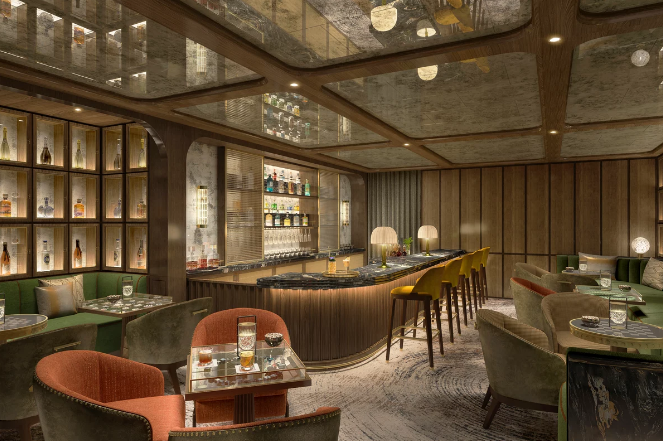
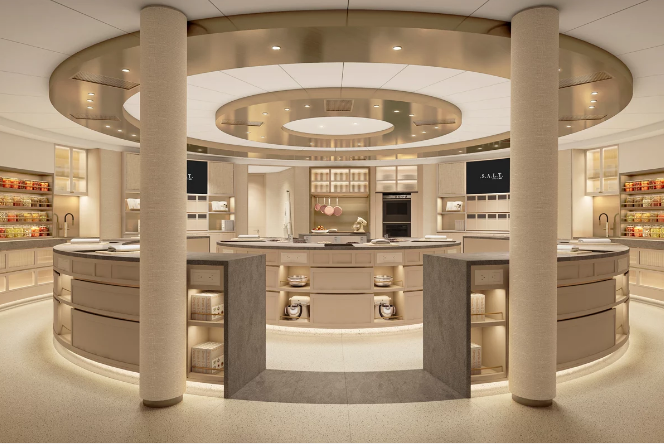
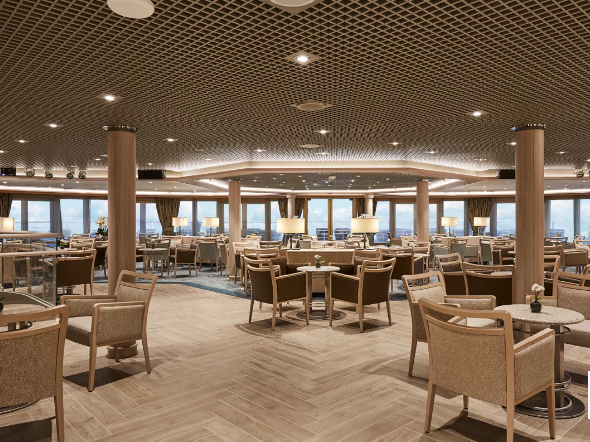
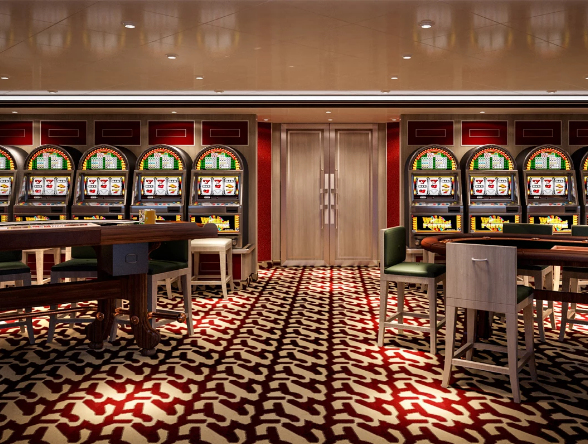
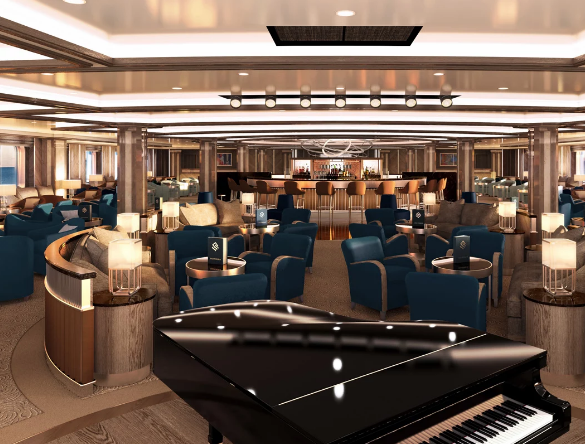
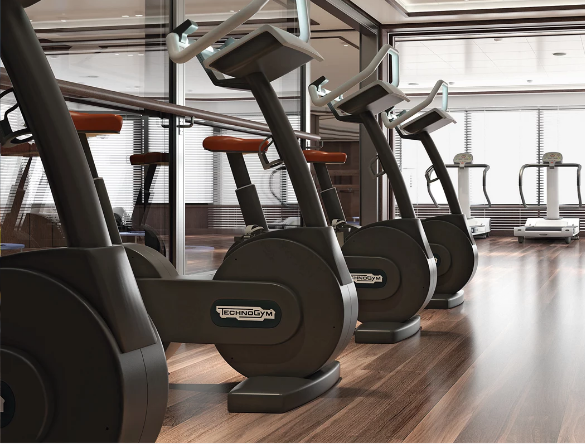
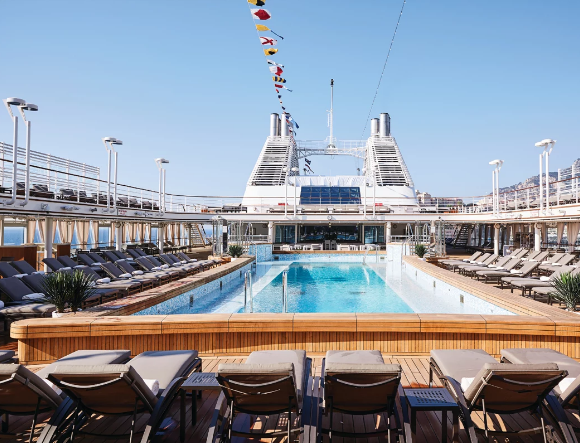
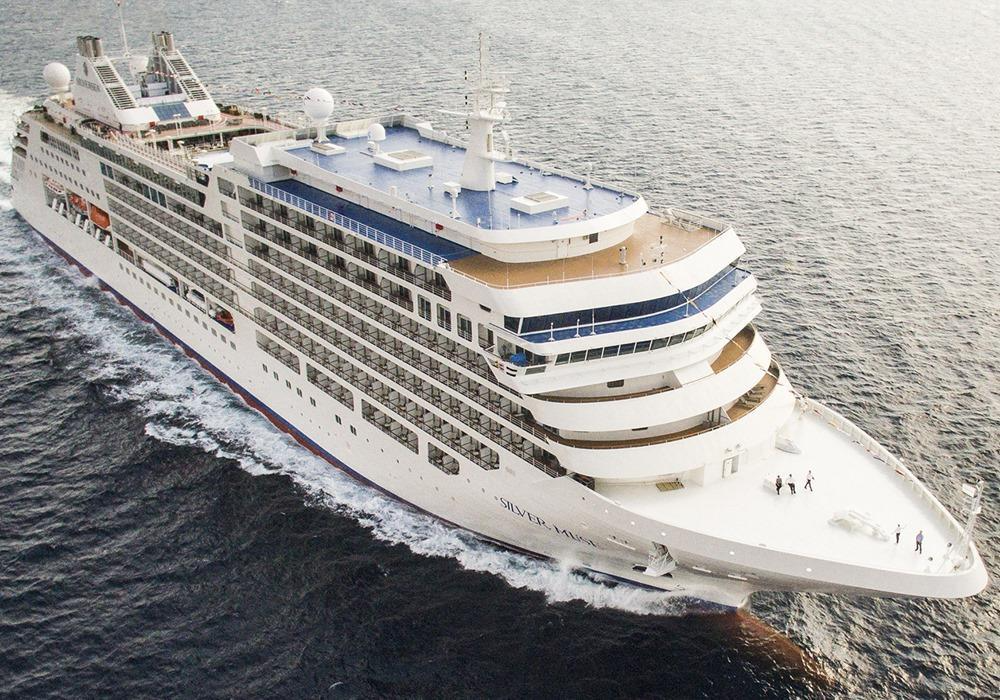
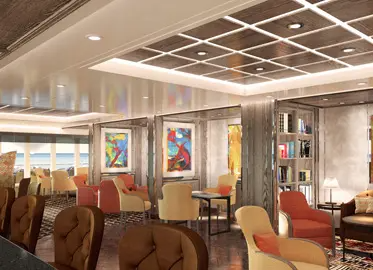
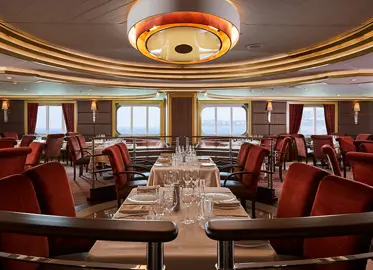
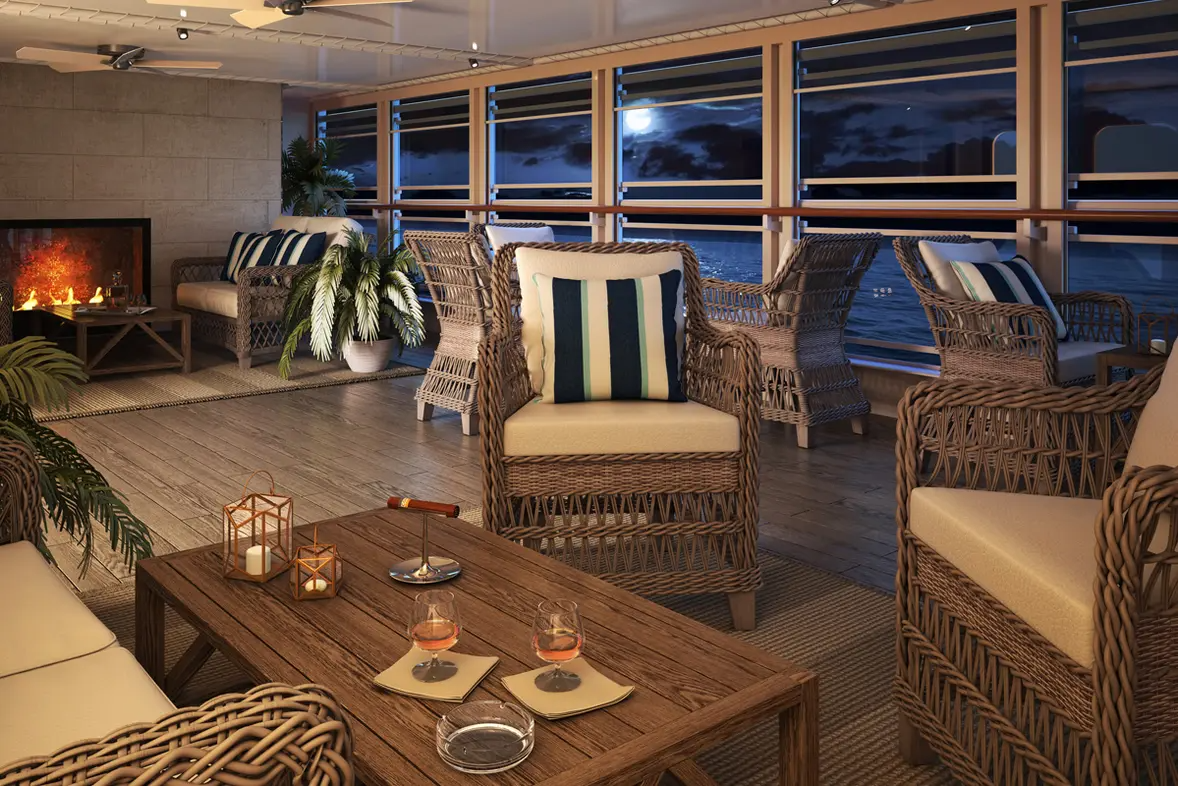
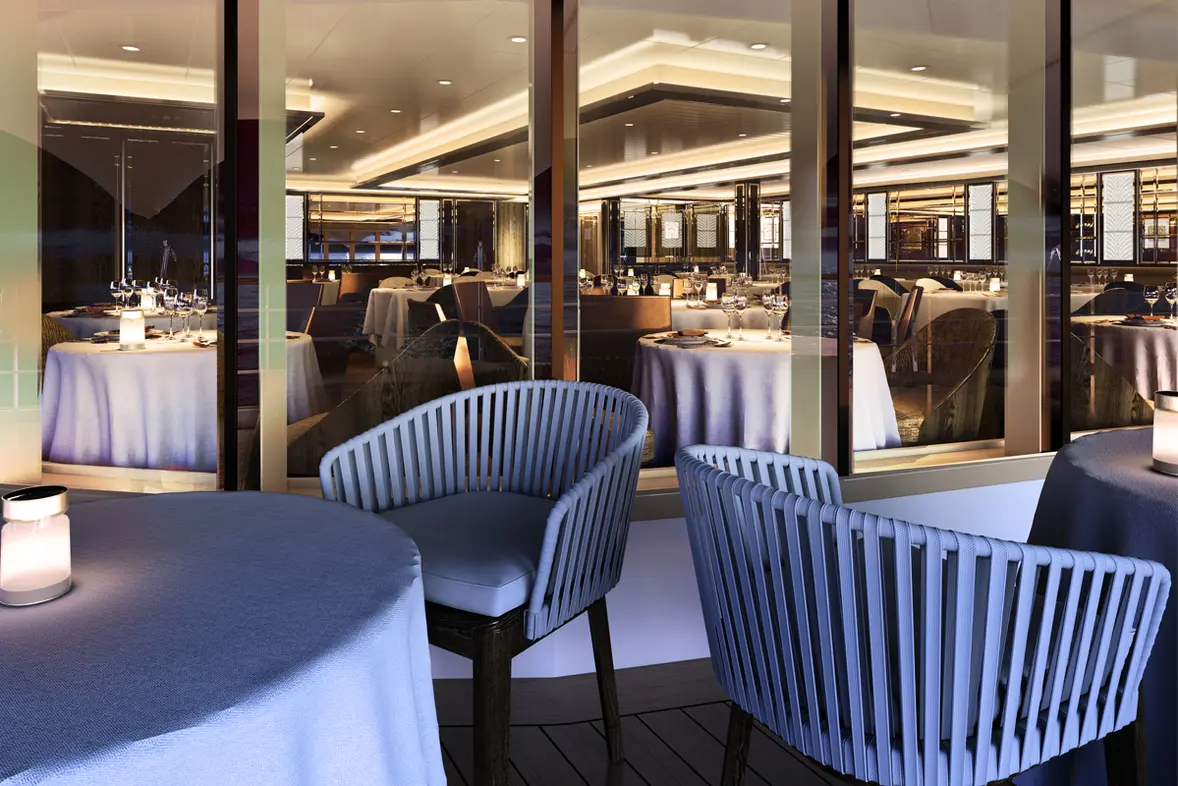
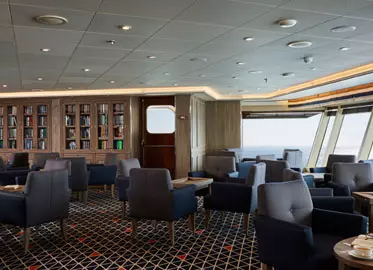
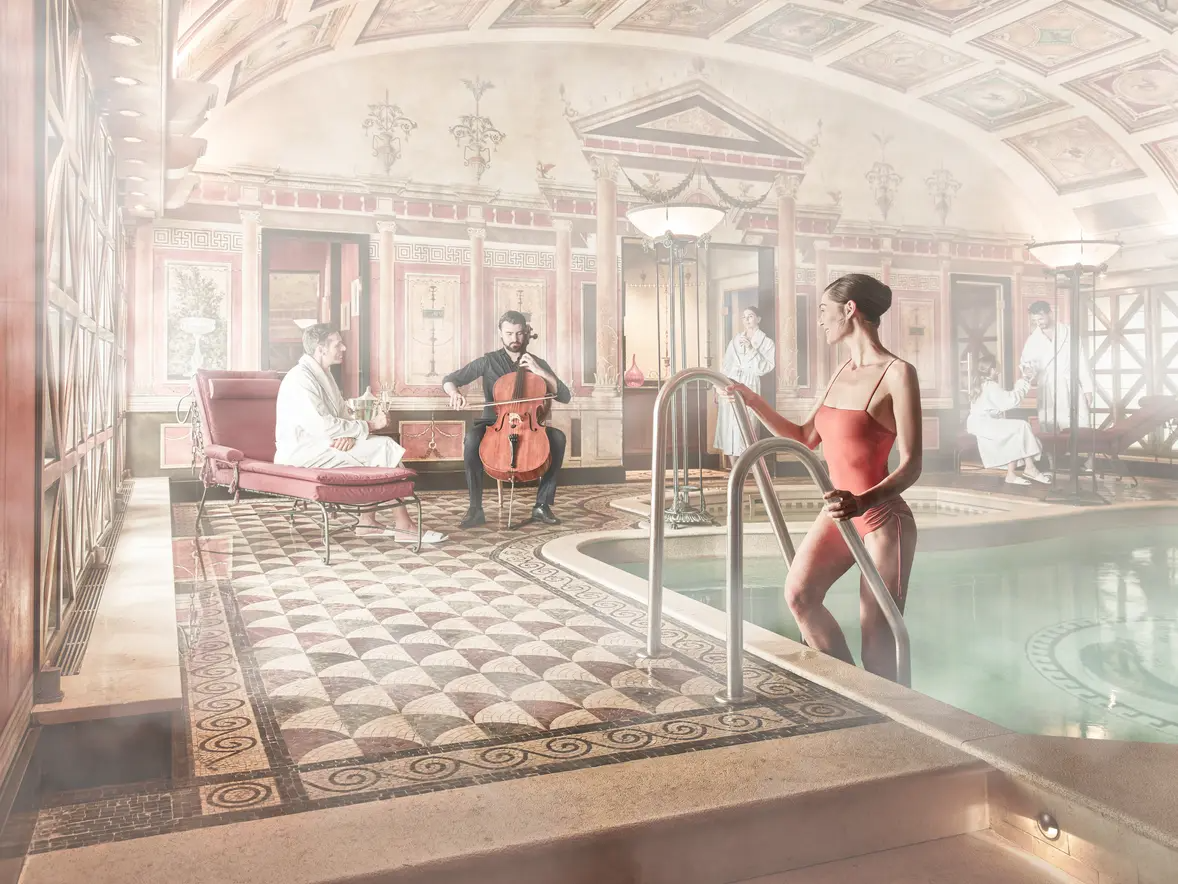
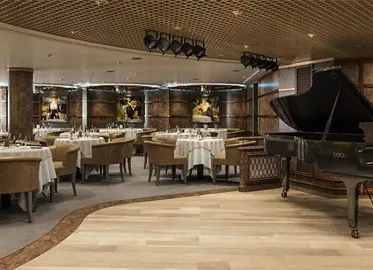
A new world of luxury is waiting aboard Silver Dawn. Both classic yet modern, Silver Dawn is the natural evolution of our fleet. Large enough to offer eight dining options – including the superb Sea and Land Taste (S.A.L.T.) programme – yet small enough for the famed Silversea on board ambience, Silver Dawn inherits the best features of her sister ships Silver Muse and Silver Moon, but is in a class all of her own. Sumptuous suites, outstanding itineraries plus cutting-edge design and technology, Silver Dawn sets new standards of luxury. Let’s wake up to a new dawn with Silversea.
Enter your details below