
















Enter your details below

Departing on 17 Apr 2026 from Dover aboard the Nieuw Statendam - Cruise No: 2177565

Dover, in the county of Kent in southeast England, has understandably been one of the most important ports of entry to the country for centuries, given its location on the English Channel across from France. The famous White Cliffs of Dover greet you as you arrive, and the city has a number of historic sights, including a medieval castle. For many travelers, however, it is primarily a gateway to London. Few places can compete with England’s capital for sheer energy, atmosphere and variety. London’s vibrancy—in art, in music, in architecture—is formidable. It’s a city with not only multiple attractions, grand structures and great cultural institutions (though there are plenty of those) but also scenic parks, walkable villages and striking modern additions.Culinary pioneers are reviving traditional techniques and introducing menus that are at the forefront of the world’s premier restaurant experiences. Leg-powered sightseeing (by bike or on foot) around London maximizes opportunities for stumbling across secret alleys, courtyards housing quirky art galleries and tiny old pubs serving fresh British ales. Shoppers will want to check out the items at some of the retail emporiums known the world over as well as diminutive boutiques stocking unique souvenirs.
Often called the gateway to Europe, the port city of Rotterdam is full of old-world charm. The harbor offers amazing views and a maze of wharves and canals, along with towering spires make for a beautiful sight. Take a stroll and duck into one of the pubs or eateries along the way.
Only three pre World War II buildings in the city centre have survived and are worth a look – city hall, St. Laurence church and the White House. Explore the Museum Boymans van Beuningen, which houses a unique collection dating from the 14th century, or the Museum Voor Volkenkunde – home to ethnological exhibits. Exquisite architecture can be seen in many areas of Rotterdam, most notably in the Delfshaven quarter of the city – where 18th century houses are on display. For a laugh, check out Kijk-Kubus, an upside-down house.
Regardless of when you visit Agadir, on Morocco’s Atlantic Coast, your chances of arriving on a sunny day are pretty high. That selling point has made it a popular seaside resort for Europeans, who stroll along the promenade and surf, wet bike and ride camels on the seemingly endless crescent-shaped beach. Here, you can sip a cup of Berber tea at a café, grab a pint at a pub or dine and dance at one of the beach clubs. Beyond the beach, much of the area’s history has been erased, and all that can be seen today are modern whitewashed buildings and palm-lined boulevards. (Though it was the site of an ancient Roman port and occupied by both the French and the Portuguese, Agadir was almost completely destroyed by an earthquake in 1960 and little of its past survived.) You can still explore the region’s heritage at the Amazigh Museum, which provides an introduction to Berber culture, and the hilltop casbah, built in the 16th century. Don’t miss the souks, with local products like saffron, olive oil, dates and Berber handicrafts, including silver jewelry, handmade slippers, carpets and pottery. Outside Agadir, red-walled towns and valleys with limestone canyons and waterfalls await.
Rugged, volcanic Lanzarote—the northeasternmost island of the Canary Islands, which are part of Spain yet lie less than 200 kilometers off the coast of Morocco—is small enough that you can travel its whole length in less than an hour. Driving between the small towns on the island, dotted with some 300 volcanic cones, visitors pass wineries around La Geria valley; its vast estates are covered by odd little lava stone pits designed to protect individual vines from the wind. (Viticulture has a long history here—El Grifo winery was founded in 1775.) All over the island, the works of celebrated local sculptor, painter and architect César Manrique can be seen in the most unexpected places.
A former fishing village, the port of Arrecife (meaning “reef” in Spanish and named after the offshore reefs that long provided protection from pirates) is now a medium-sized city. Despite its location in the Atlantic, Arrecife has a decidedly Mediterranean feel with seafront promenades lined with palms. El Charco tidal lagoon is a popular venue for strolling and photographing traditional fishing boats at anchor. On Saturdays, a food and crafts market pops up around the lagoon and the Church of San Ginés; every day of the week, small tapas bars are always welcoming.
Las Palmas is a capital of Gran Canaria, one of Spain’s Canary Islands off northwestern Africa. A major cruise-ship port, the city is known for duty-free shopping and for its sandy beaches. At Playa de Las Canteras, a coral barrier lines the beach and shelters swimmers.
Though part of Spain, the Canary Islands sit in the open Atlantic Ocean, about 100 kilometers (60 miles) west of Morocco. The mild climate mixed with a rich volcanic landscape and beautiful sandy beaches makes the main city of Santa Cruz, on the largest island of Tenerife, a welcome stop for many cruise voyages. The isolated island is dominated by the Teide volcano, the tallest mountain in Spain and site of one of the world’s most popular national parks. A cable car carries visitors to the top, offering unrivaled views of the island.
Travelers interested in learning about the history of the island, its unique wildlife and the population of indigenous people that lived here before the arrival of European settlers should visit the Museum of Nature and Man in Santa Cruz, while architecture buffs can stroll the streets of La Laguna to see colonial-era mansions. And travelers keen on food and wine should venture into the countryside to sample local dishes or make the drive to Casa del Vino, where they can learn about, and taste, local wines while shopping for a bottle or two to bring home.
Find your way in the city that launched the Age of Discovery. Cross the River Tagus on its soaring suspension bridge, watched over by a colossal statue of Christ. Wander the maze of streets in the Alfama, the old Moorish quarter, dominated by the medieval Castle of St George where peacocks strut and shriek. Stroll the Baixa and refuse to leave without a pair of elegant shoes.
Dover, in the county of Kent in southeast England, has understandably been one of the most important ports of entry to the country for centuries, given its location on the English Channel across from France. The famous White Cliffs of Dover greet you as you arrive, and the city has a number of historic sights, including a medieval castle. For many travelers, however, it is primarily a gateway to London. Few places can compete with England’s capital for sheer energy, atmosphere and variety. London’s vibrancy—in art, in music, in architecture—is formidable. It’s a city with not only multiple attractions, grand structures and great cultural institutions (though there are plenty of those) but also scenic parks, walkable villages and striking modern additions.Culinary pioneers are reviving traditional techniques and introducing menus that are at the forefront of the world’s premier restaurant experiences. Leg-powered sightseeing (by bike or on foot) around London maximizes opportunities for stumbling across secret alleys, courtyards housing quirky art galleries and tiny old pubs serving fresh British ales. Shoppers will want to check out the items at some of the retail emporiums known the world over as well as diminutive boutiques stocking unique souvenirs.
Often called the gateway to Europe, the port city of Rotterdam is full of old-world charm. The harbor offers amazing views and a maze of wharves and canals, along with towering spires make for a beautiful sight. Take a stroll and duck into one of the pubs or eateries along the way.
Only three pre World War II buildings in the city centre have survived and are worth a look – city hall, St. Laurence church and the White House. Explore the Museum Boymans van Beuningen, which houses a unique collection dating from the 14th century, or the Museum Voor Volkenkunde – home to ethnological exhibits. Exquisite architecture can be seen in many areas of Rotterdam, most notably in the Delfshaven quarter of the city – where 18th century houses are on display. For a laugh, check out Kijk-Kubus, an upside-down house.
Your jumping-off point for the highlights of Edinburgh, including historic Edinburgh Castle, housing the Scottish crown jewels and the palace that was once home to Mary Queen of Scots.
The skirl of Highland bagpipes calls you ashore. Go in search of your clan tartan, and “Nessie,” the spurious monster often sighted in Loch Ness.
The countryside is laced with lakes and vast peat bogs. Pause in the Tingwall valley to see the petite Shetland ponies; explore Jarlshof’s Stone, Bronze and Iron age ruins; take a ferry to Mousa to see the 200-year-old “broch,” or castle.
Inhabited for more than 6,000 years, the Isle of Lewis has a rich history and rugged beauty. Explore the islands varied scenery from fjord-like lochs and dramatic sea-cliffs to barren peat moors and romantic heather covered uplands; marvel at the mysterious Standing Stones at Callanish, the most remarkable piece of antiquity in the Western Isles; and shop for famous Harris Tweed, hand-woven and uniquely dyed using indigenous plants.
Belfast has emerged from decades of conflict to become one of Ireland’s most intriguing cities. In the 19th century, its location on the banks of the River Lagan made it an industrial center for ropemaking, shipbuilding, tobacco and textiles. And this legacy shaped much of its architecture: Grand Edwardian and Victorian municipal buildings and warehouses are found throughout the city alongside telltale scars of its more recent past.
While the legacy of Belfast’s complex conflict known as The Troubles still looms, there are many other sides of Northern Ireland’s capital to explore, from the quaint streets of the Cathedral Quarter to the newly regenerated Titanic Quarter, where the ill-fated RMS Titanic was constructed.
Belfast is also gathering momentum as an up-and-coming gourmet destination, with a new generation of chefs producing food to get excited about. Beyond the city limits, County Down and neighboring County Antrim have a wealth of things to see and do. Any lingering negative preconceptions will evaporate after a short time in this fascinating and welcoming city.
Located on the River Clyde, Greenock is on the steep west coast of Scotland, offering spectacular views to the mountains beyond. From the looming Victorian tower in Cathcart Square to the McLean Museum and Art Gallery on Union Street, you’ll find plenty to see and do. Head to Craig’s Top for magnificent views from the summit of Lyle Hill, or head to nearby Glasgow to view its fine cathedral and art galleries. Sample Shore excursions: Panoramic Scottish Lochs; Stirling Castle.
The city that launched the Beatles, Liverpool is still a hardworking docks town, offering a lively pub scene and a branch of London’s Tate Gallery. Sample shore excursions: The Beatles; The Roman City of Chester.
Dover, in the county of Kent in southeast England, has understandably been one of the most important ports of entry to the country for centuries, given its location on the English Channel across from France. The famous White Cliffs of Dover greet you as you arrive, and the city has a number of historic sights, including a medieval castle. For many travelers, however, it is primarily a gateway to London. Few places can compete with England’s capital for sheer energy, atmosphere and variety. London’s vibrancy—in art, in music, in architecture—is formidable. It’s a city with not only multiple attractions, grand structures and great cultural institutions (though there are plenty of those) but also scenic parks, walkable villages and striking modern additions.Culinary pioneers are reviving traditional techniques and introducing menus that are at the forefront of the world’s premier restaurant experiences. Leg-powered sightseeing (by bike or on foot) around London maximizes opportunities for stumbling across secret alleys, courtyards housing quirky art galleries and tiny old pubs serving fresh British ales. Shoppers will want to check out the items at some of the retail emporiums known the world over as well as diminutive boutiques stocking unique souvenirs.
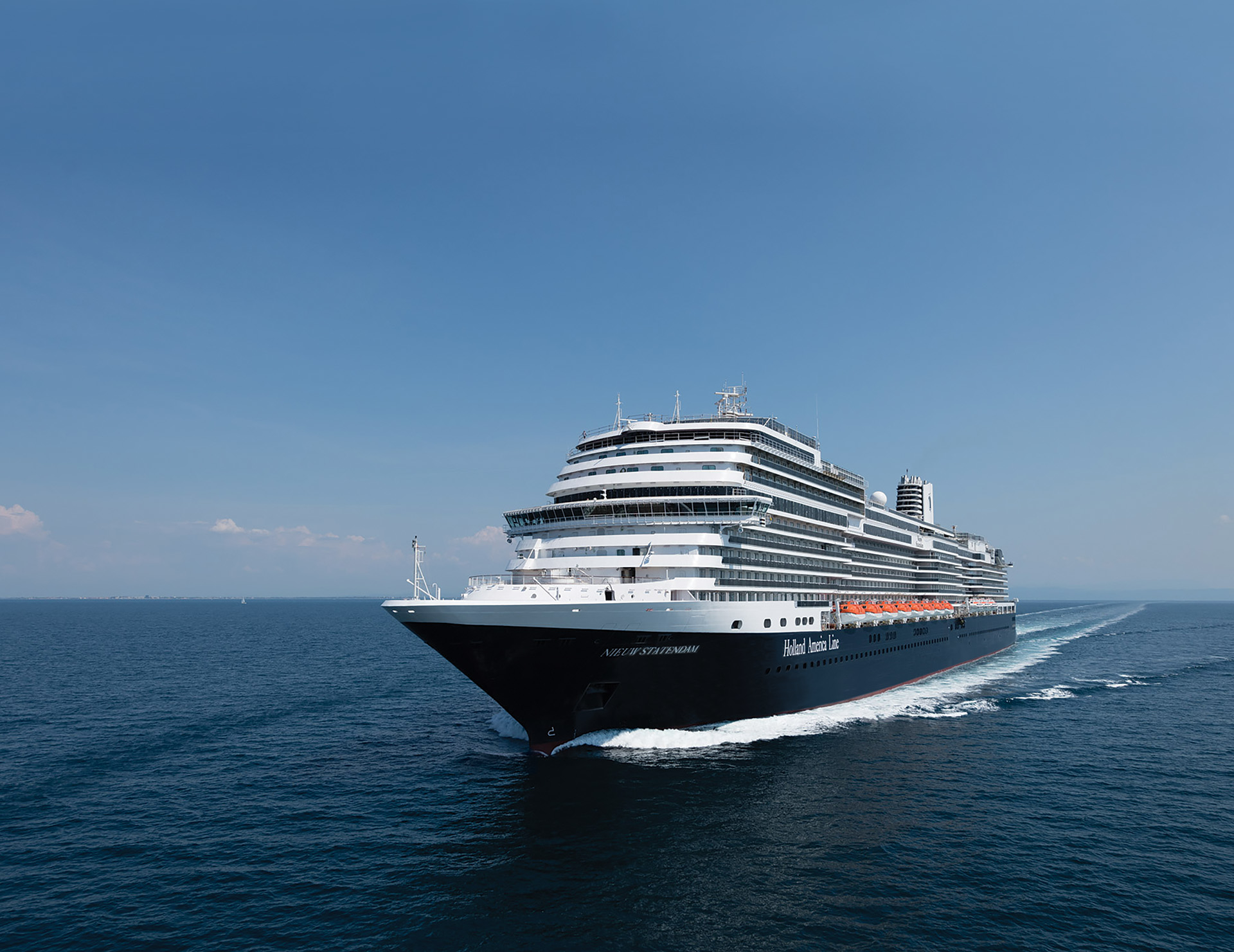
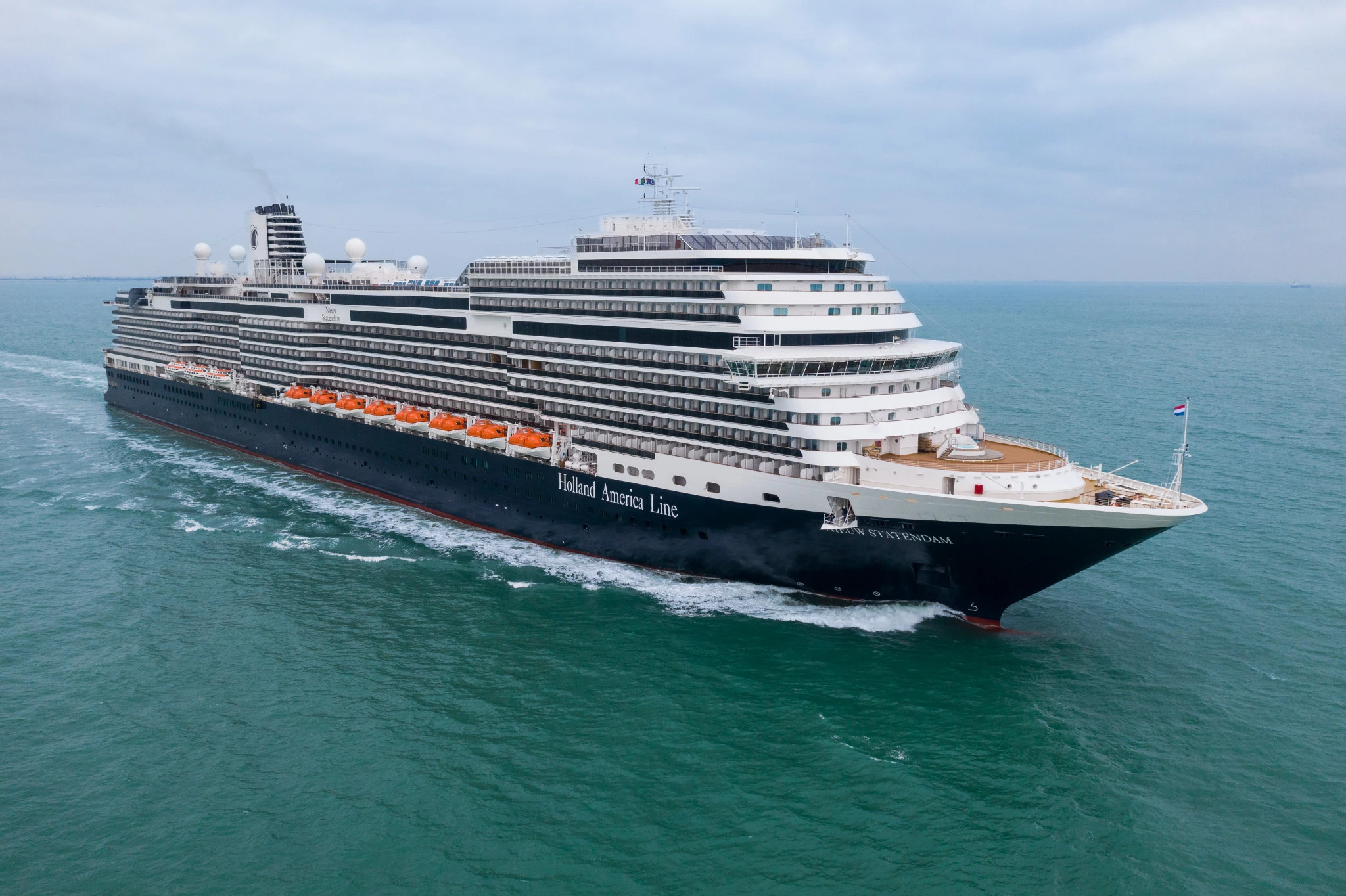
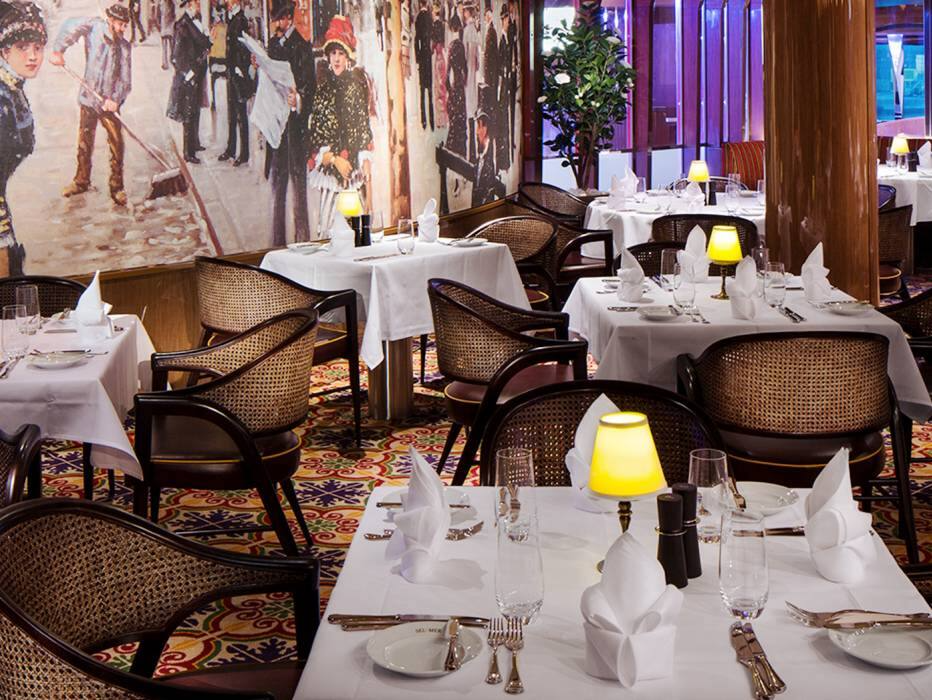
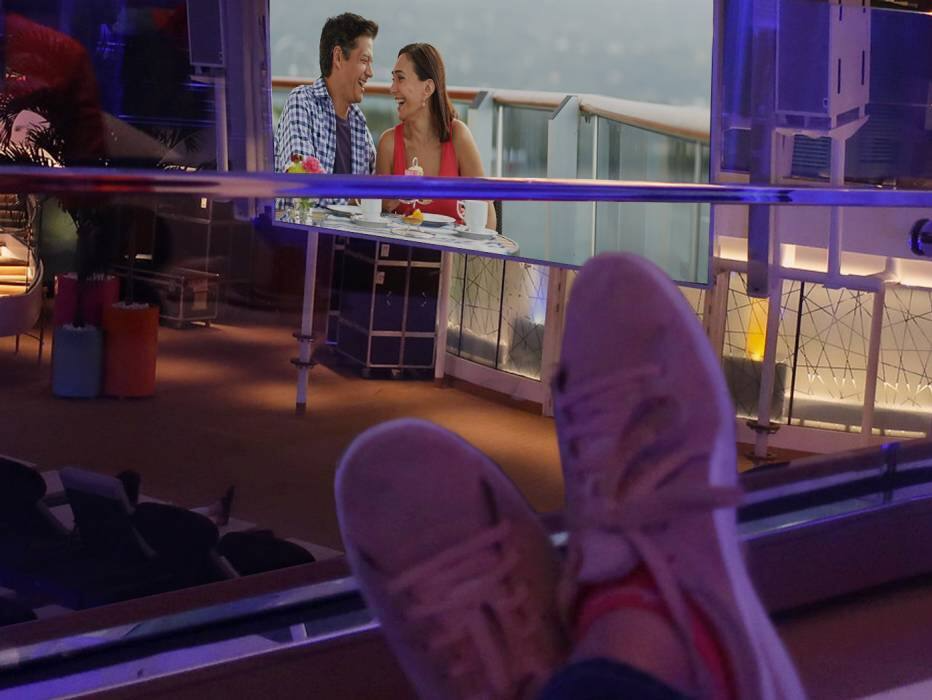
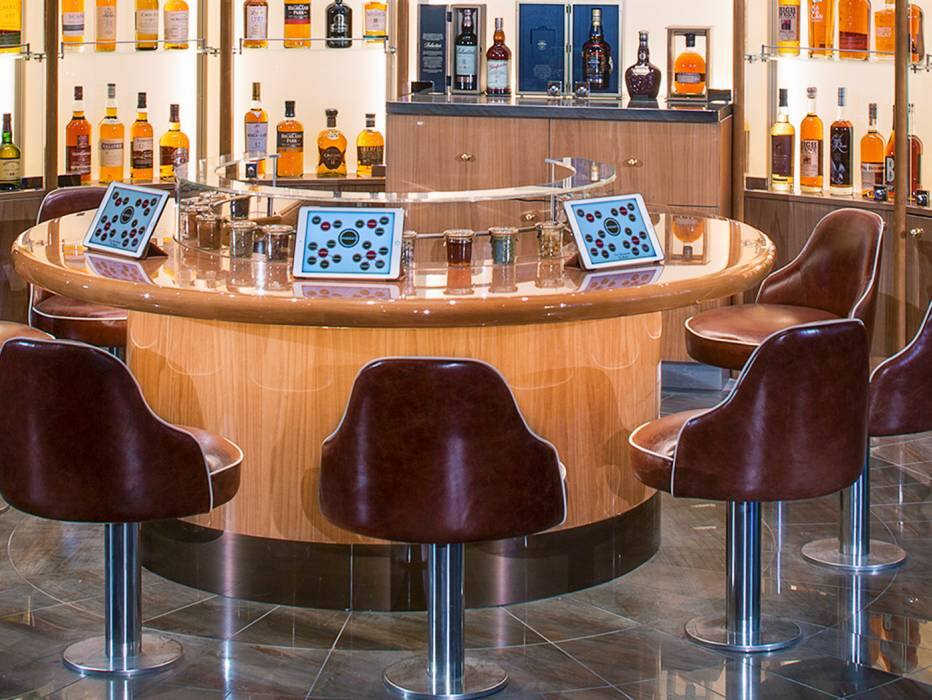
Nieuw Statendam, a sister ship to Koningsdam and the second of our Pinnacle-class ships, features a design inspired by the fluid curves of musical instruments. Guests can savor her innovative specialty restaurants—from Sel de Mer to the Grand Dutch Cafe. Enjoy live music and entertainment from the Rolling Stone Rock Room, B.B. King’s Blues Club, and more. Explore the thrill of BBC Earth Experiences presentations at our spectacular two-story World Stage.
Included Services
Enter your details below